Categories
Uncategorized

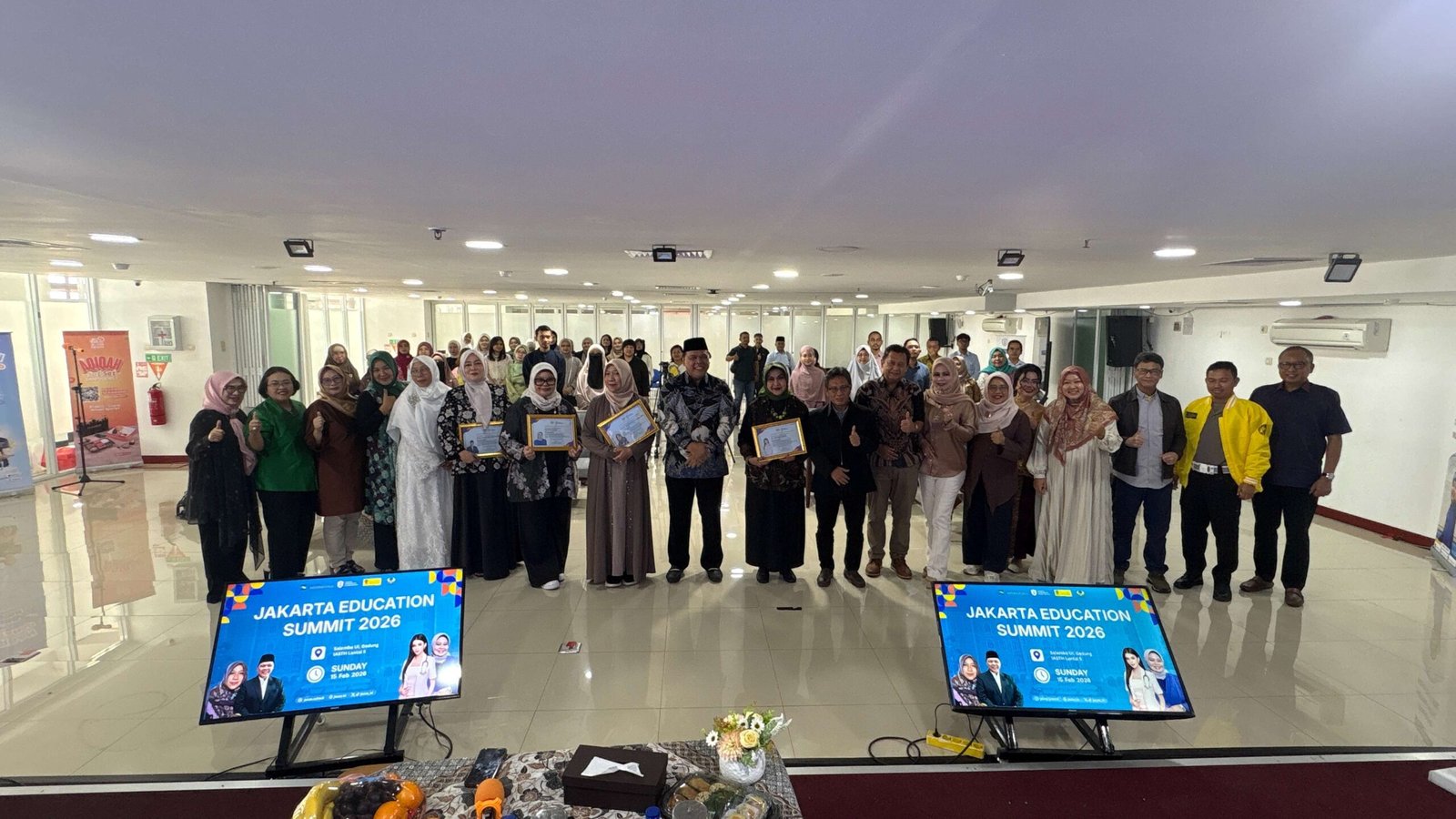
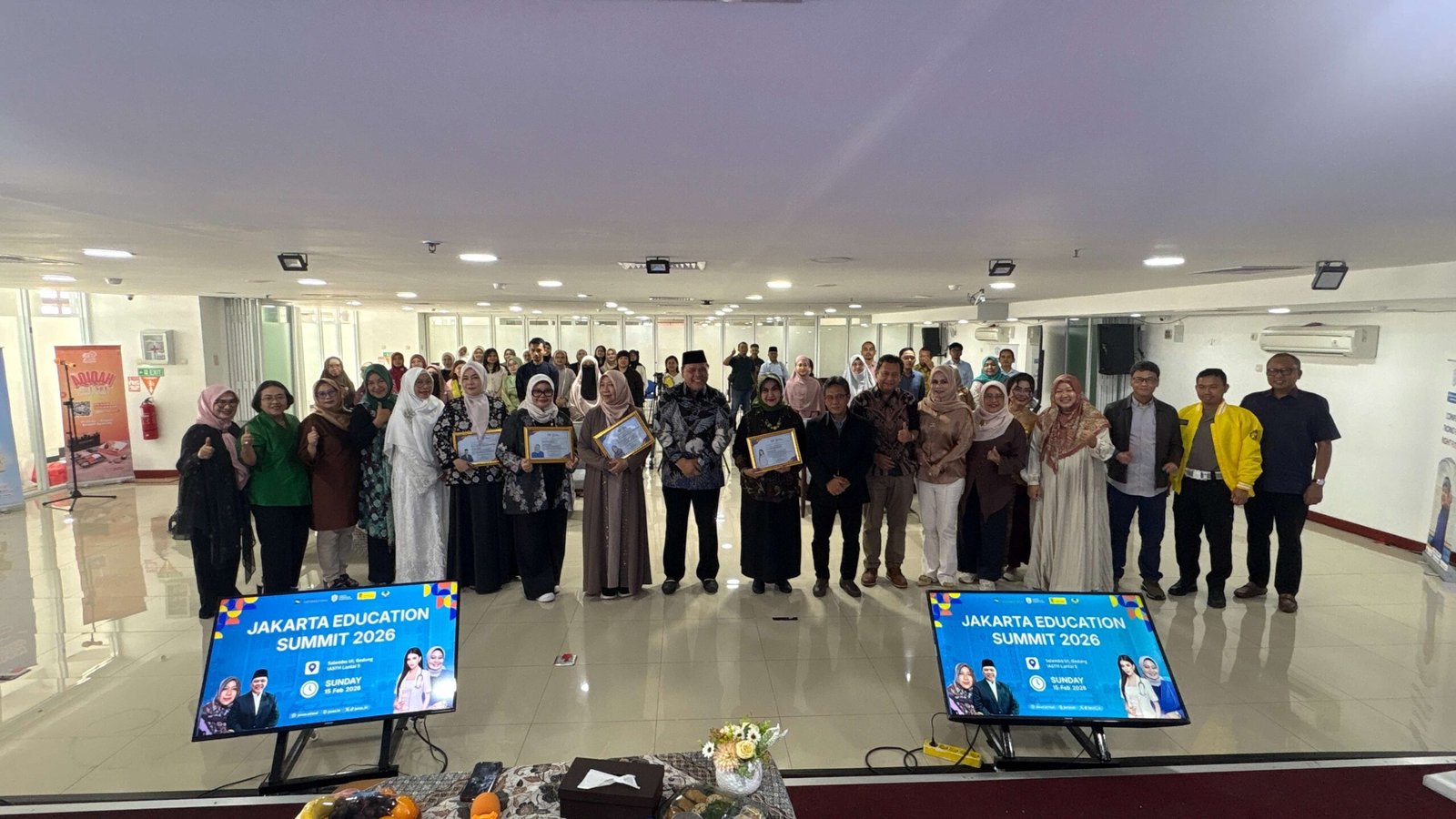
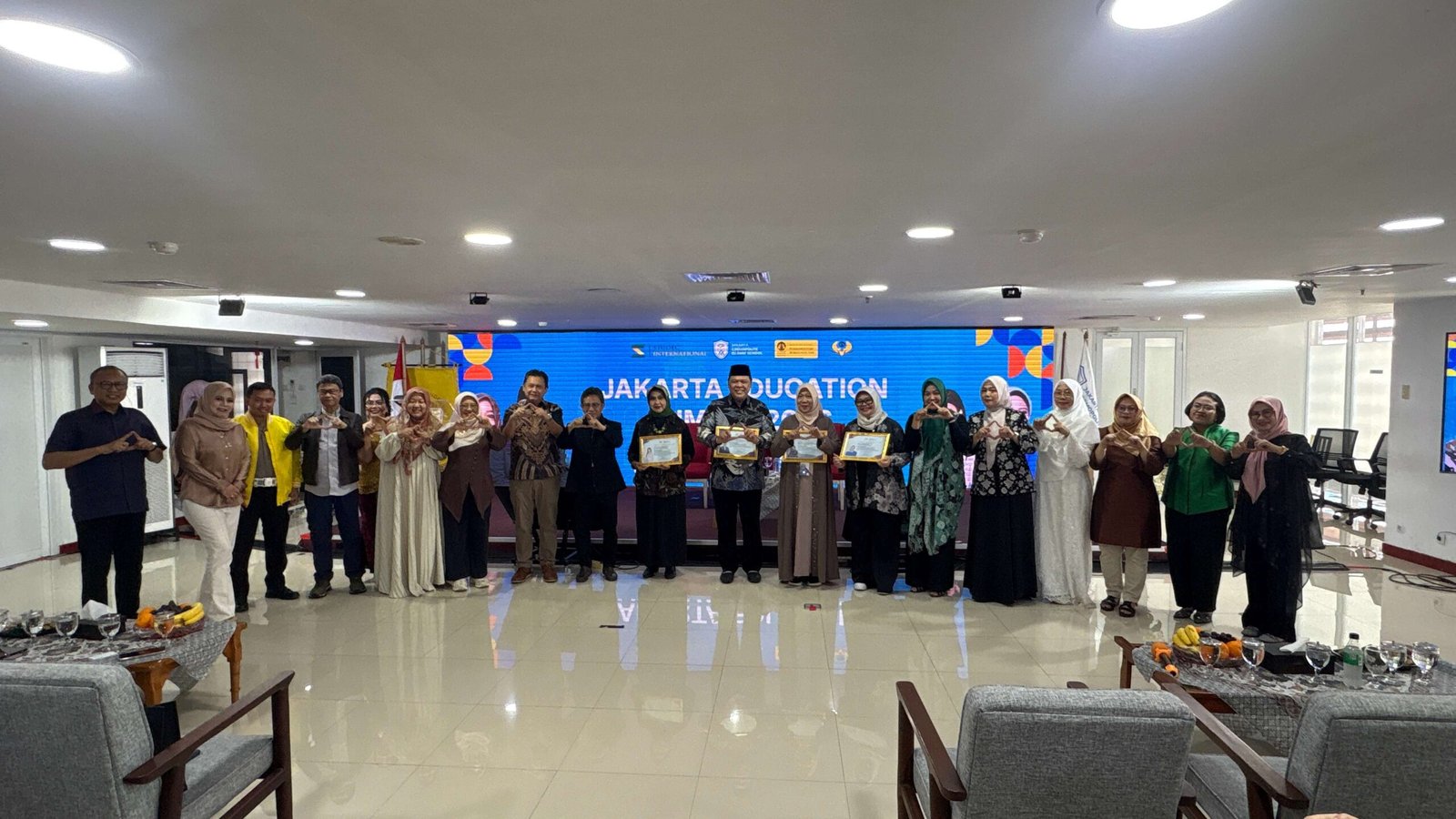
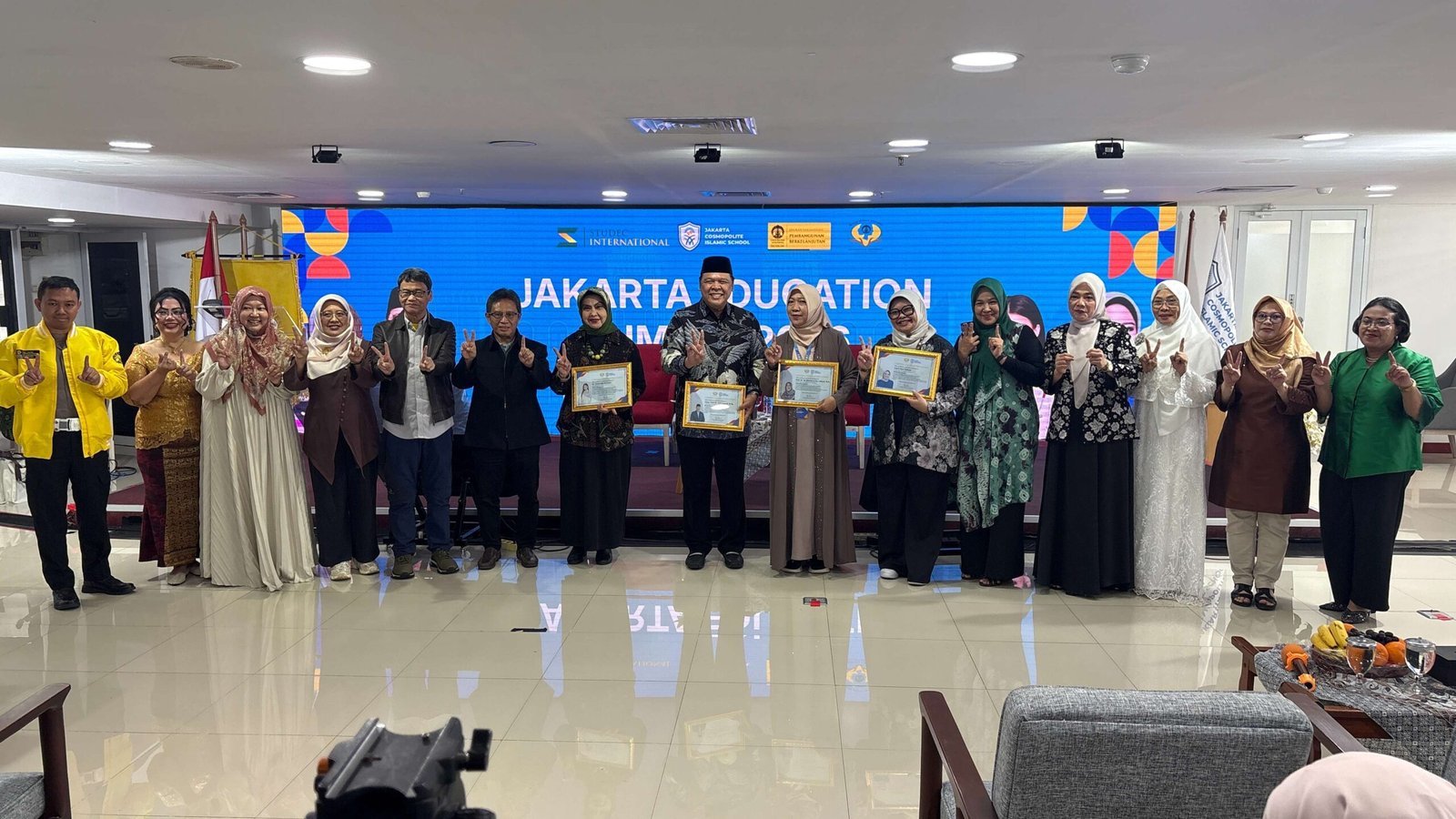
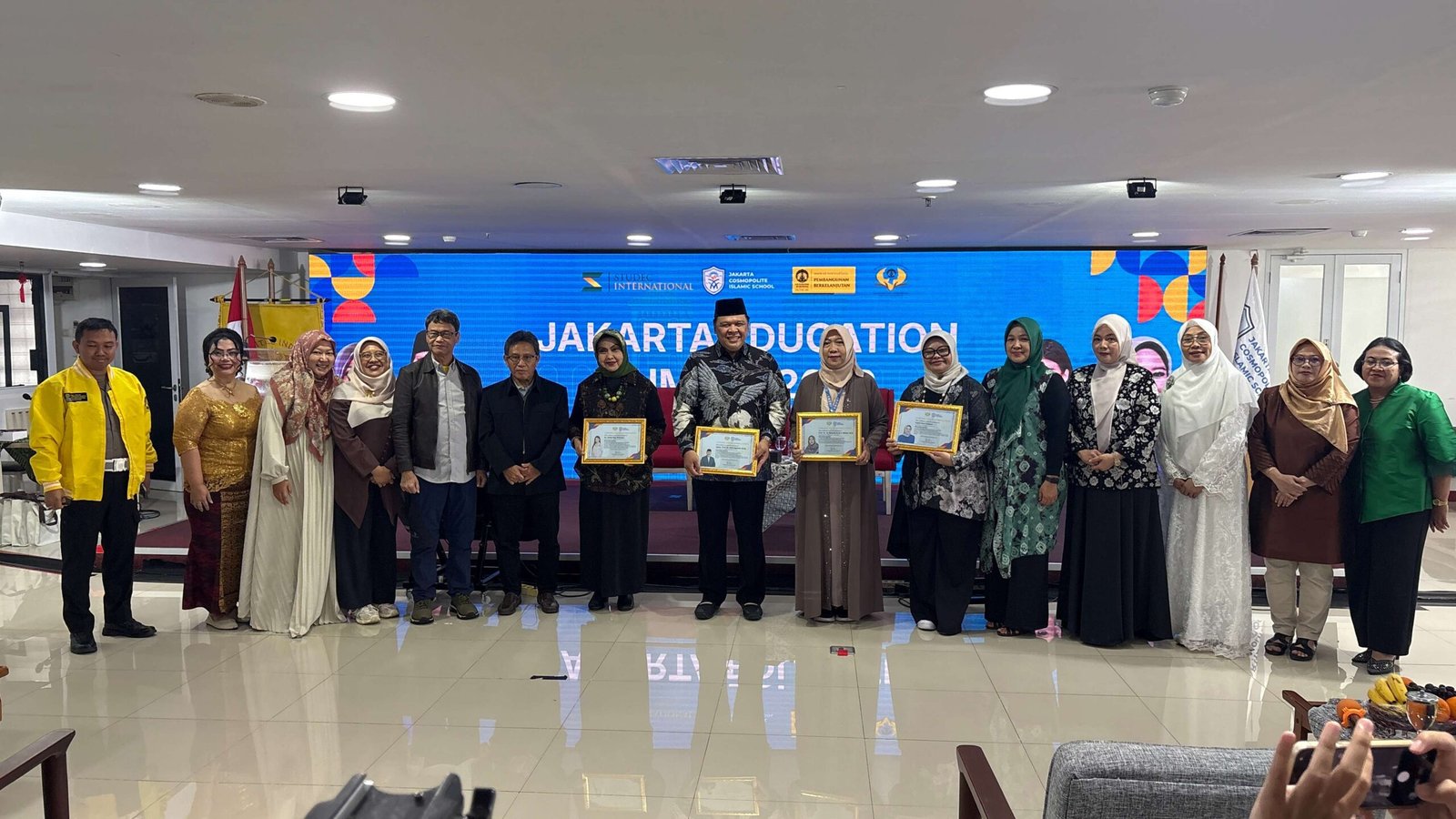
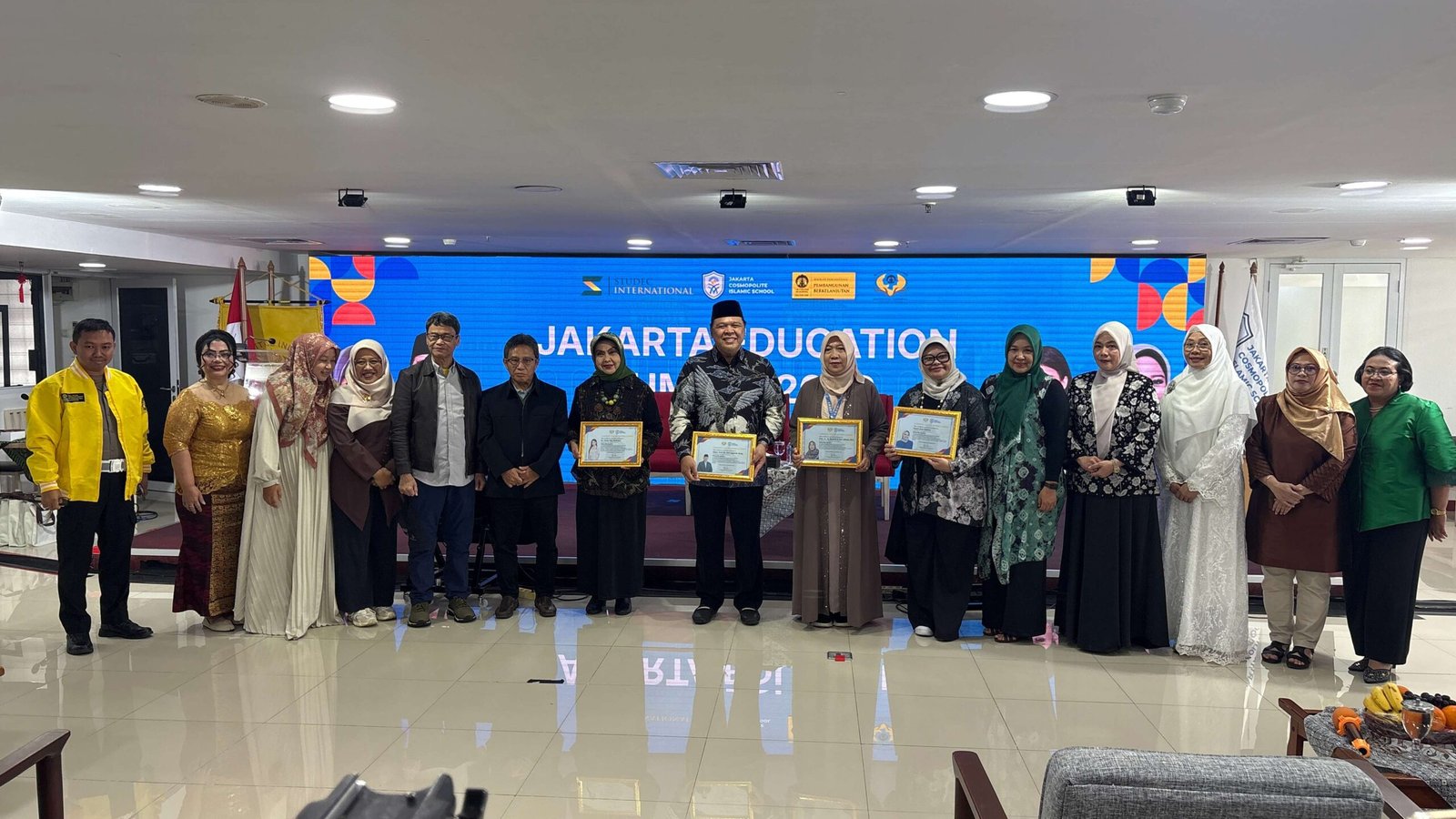
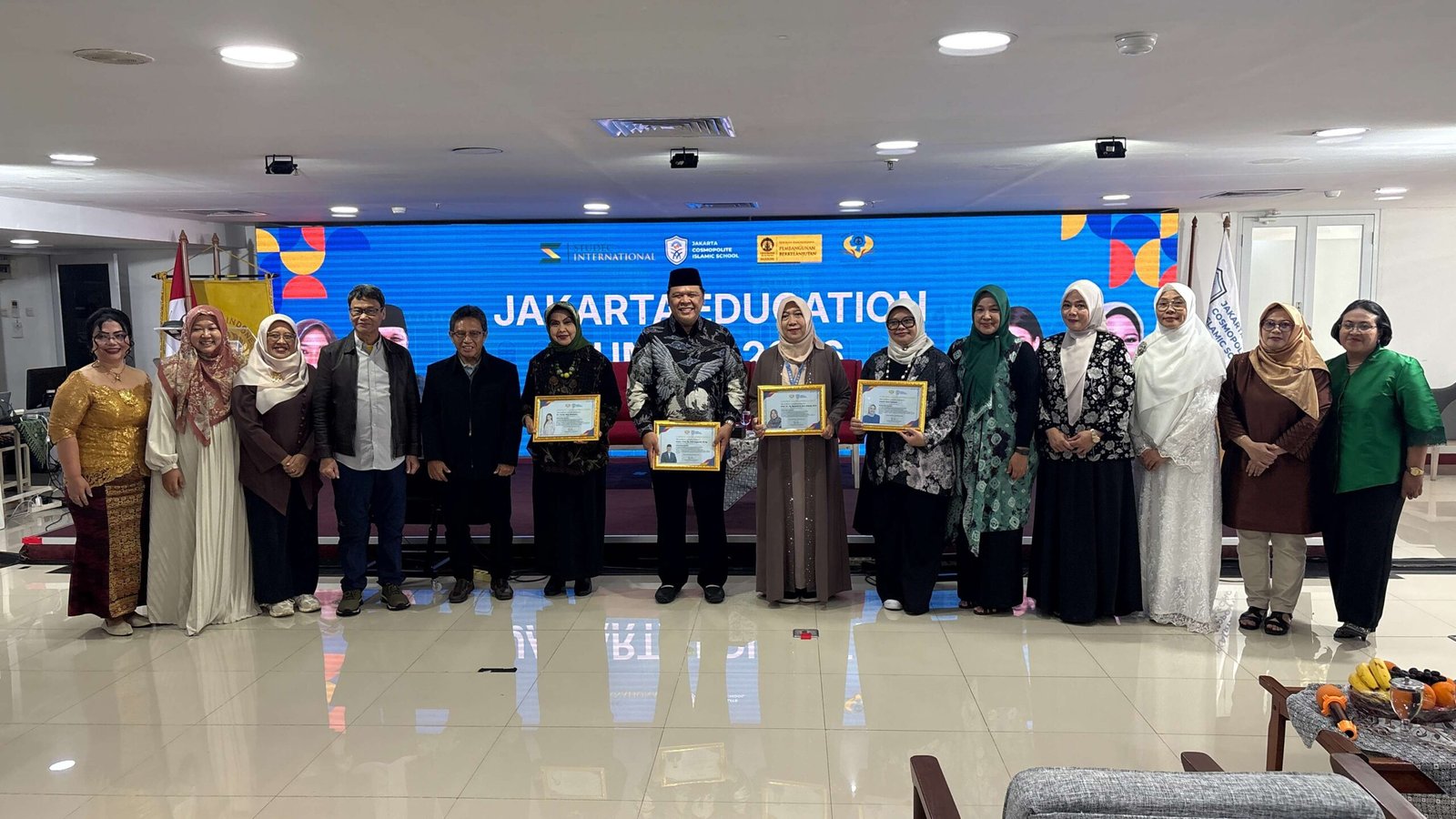
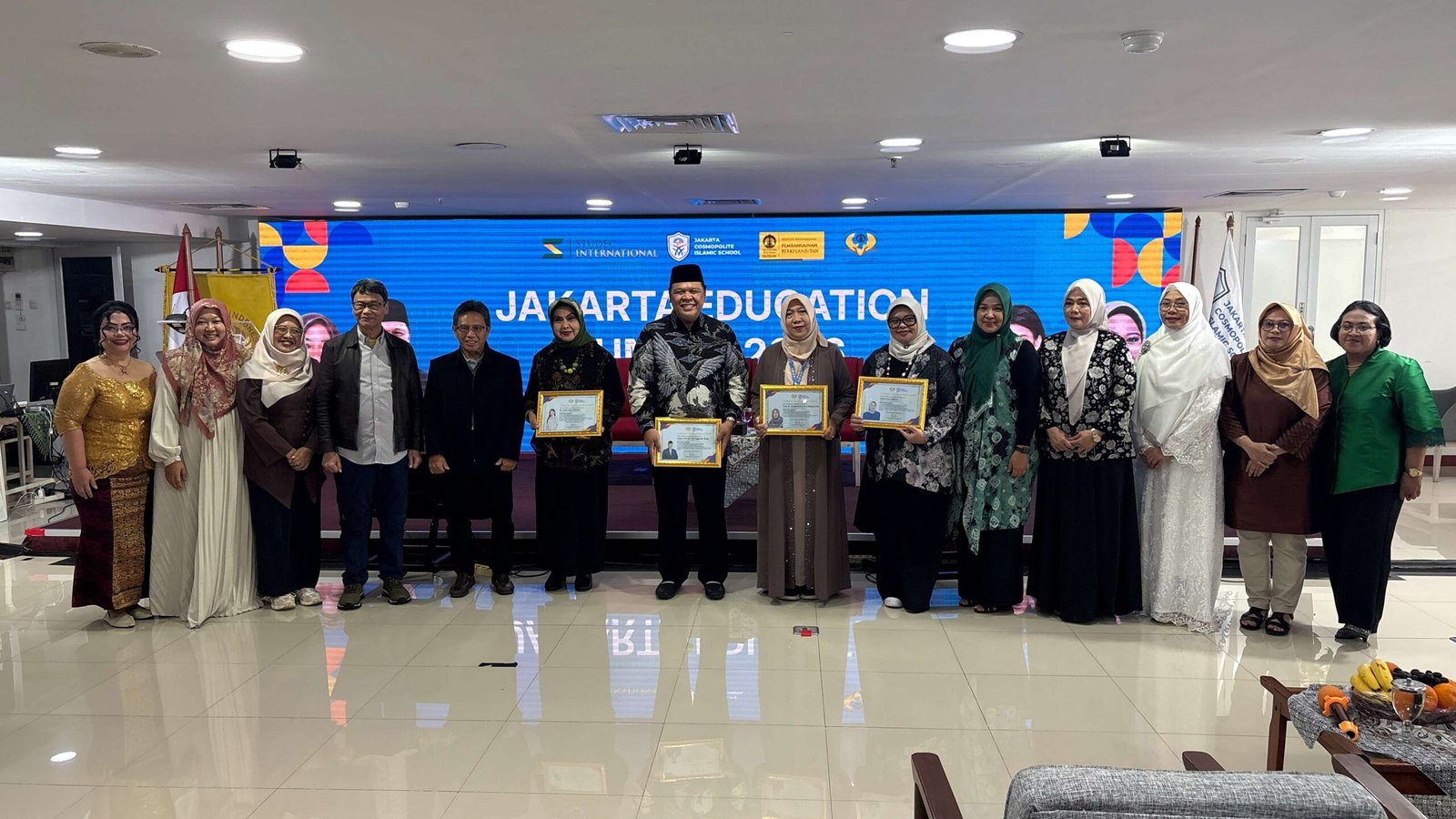
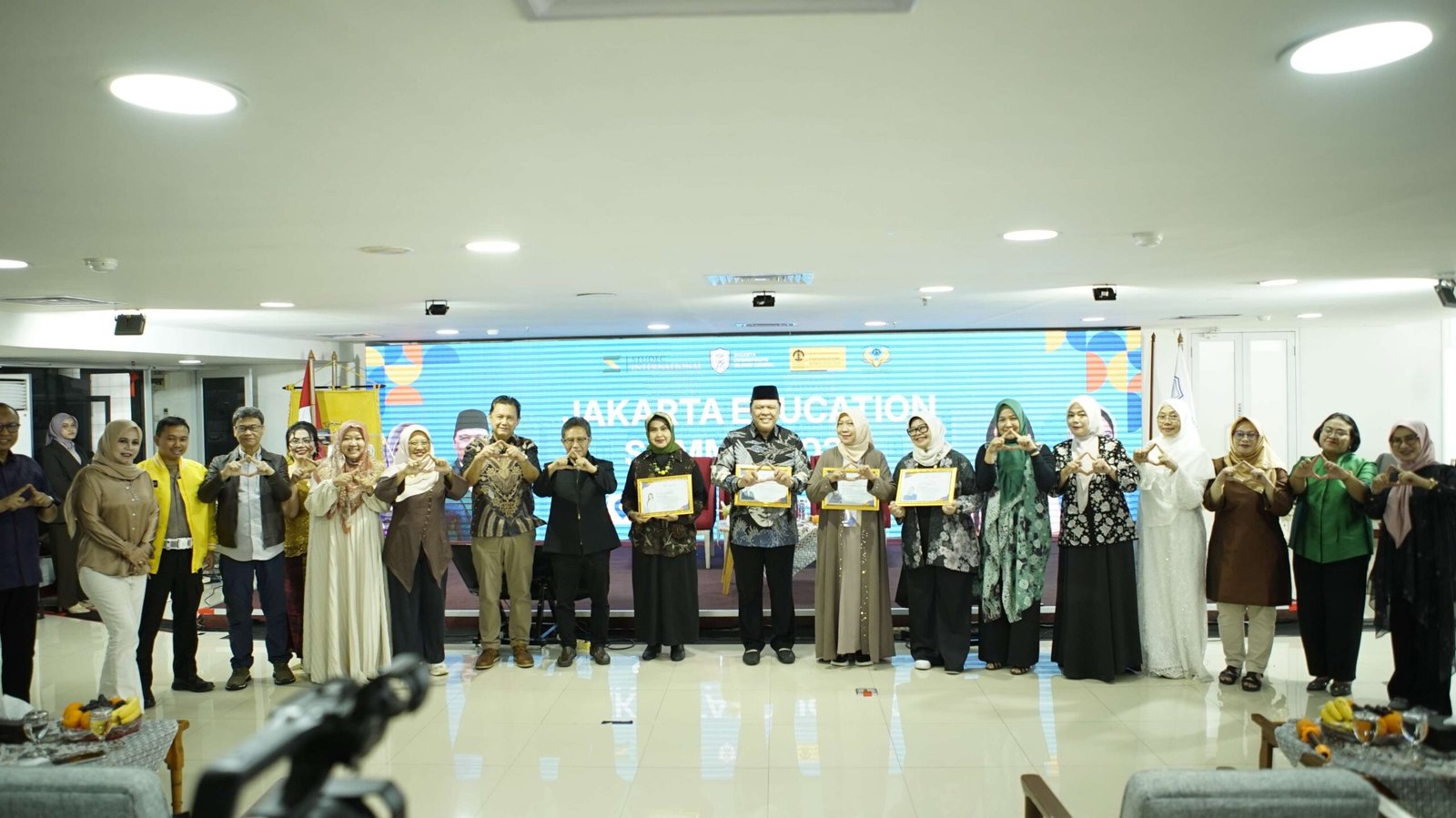
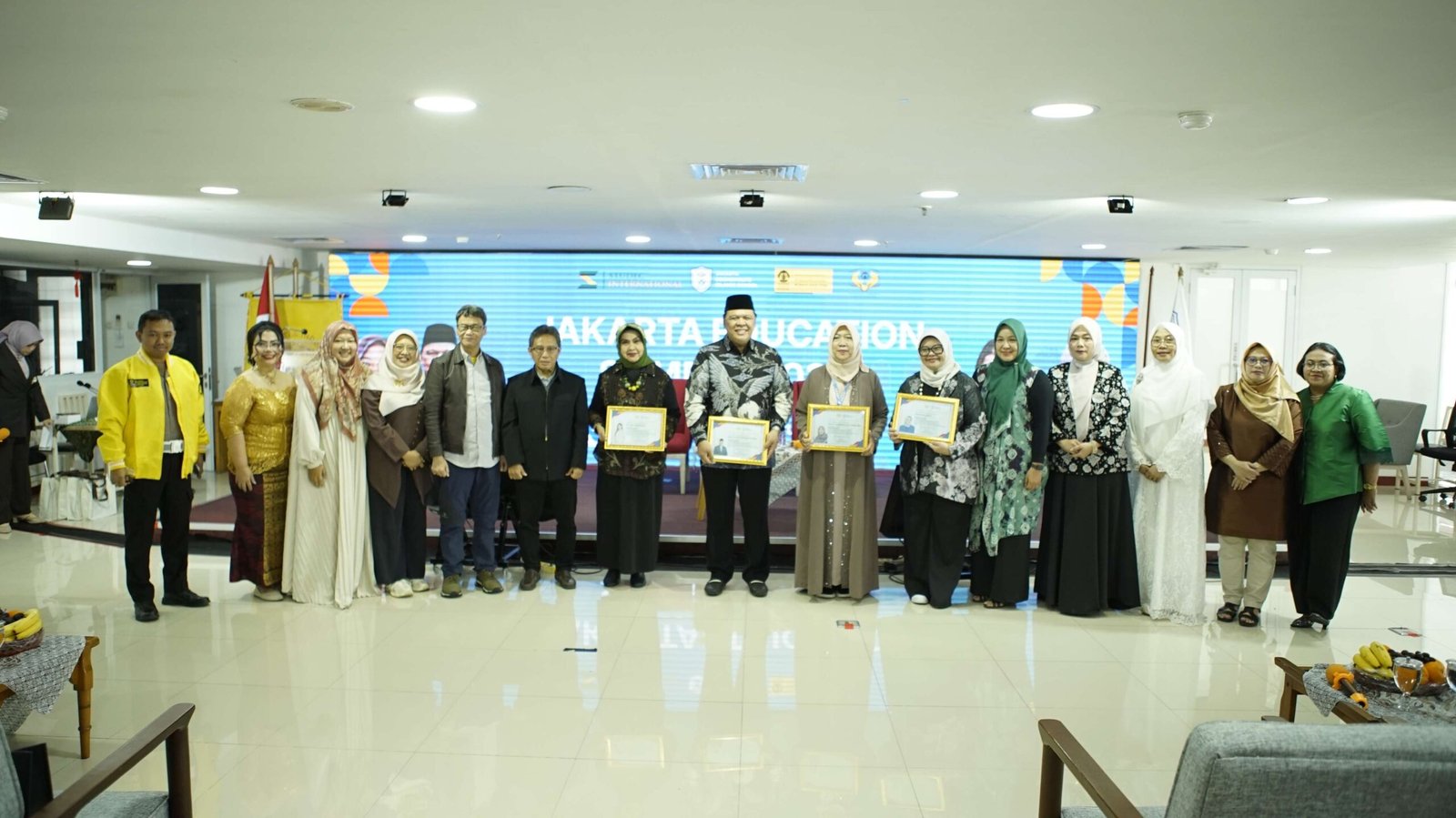
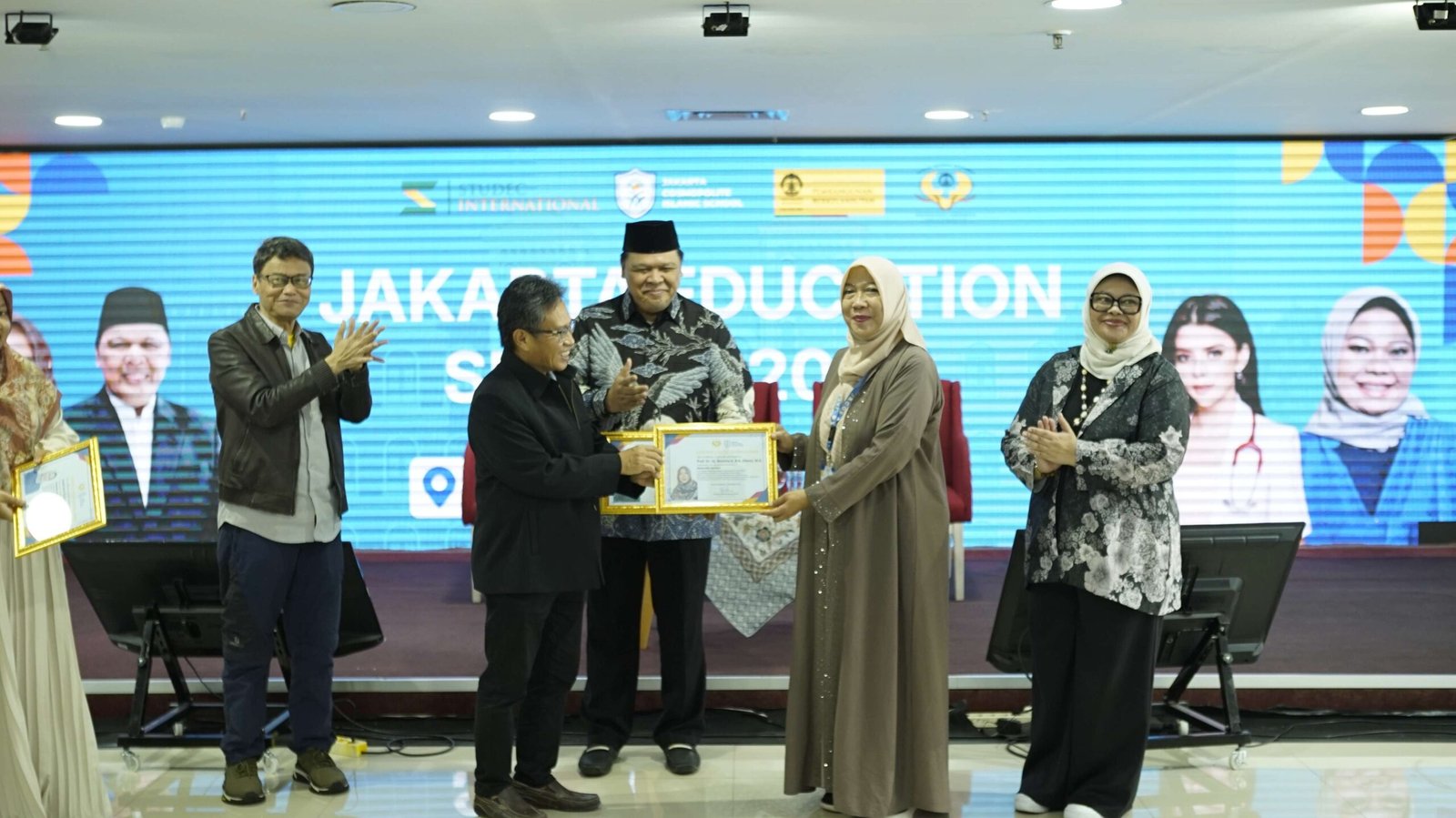
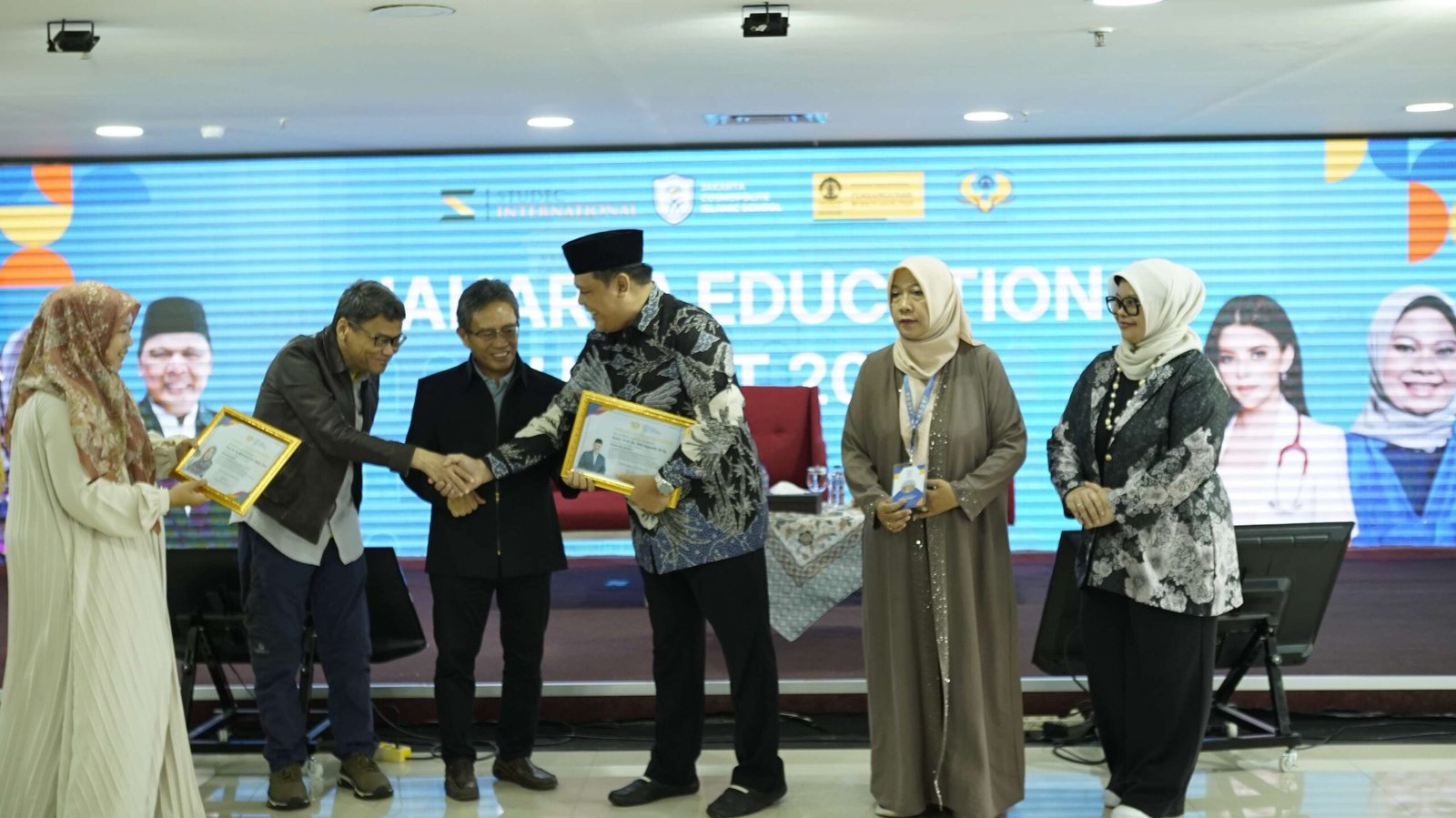
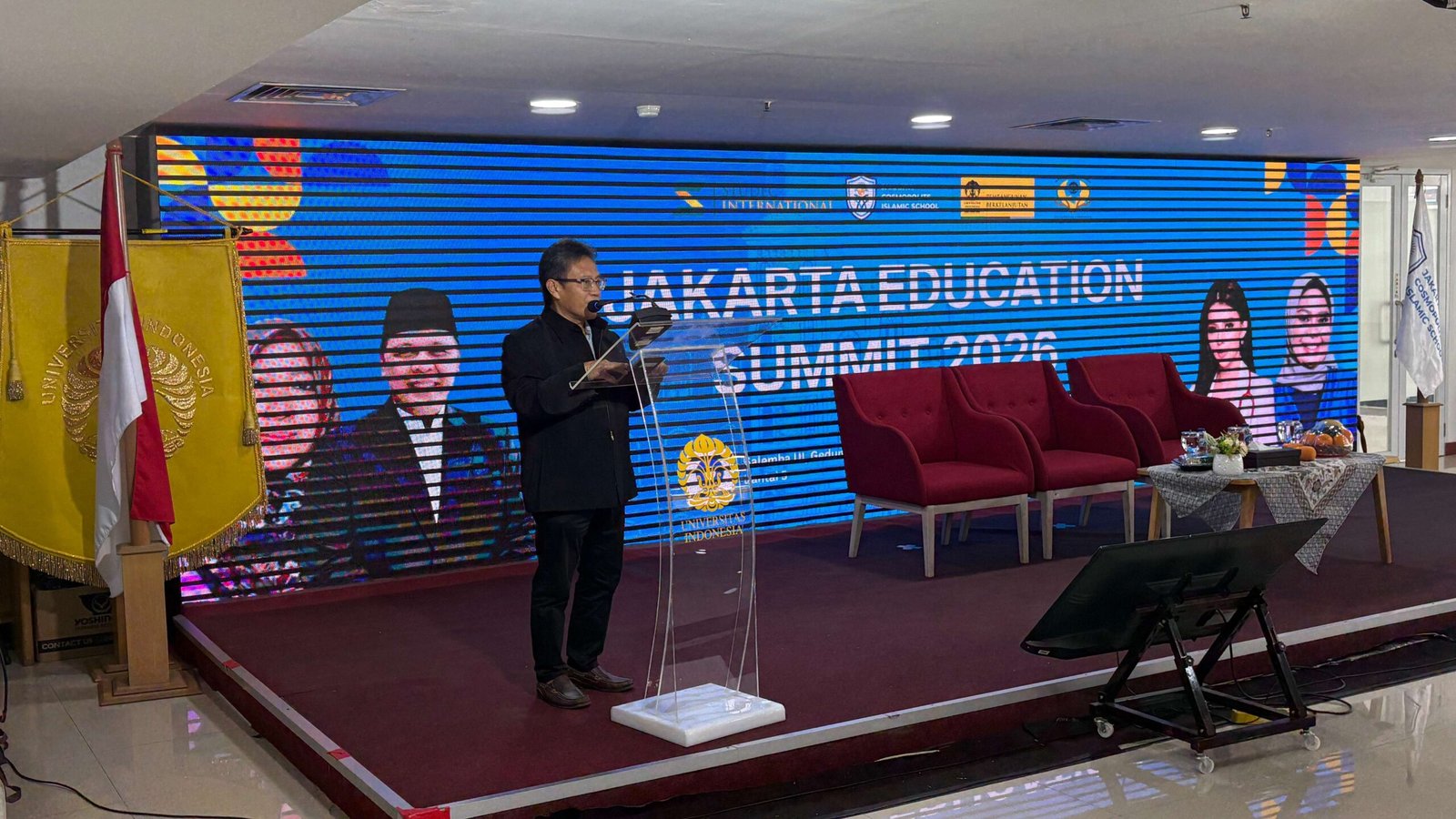
Jakarta Education Summit 2026 Perkuat Komitmen Indonesia sebagai Pusat Ilmu Pengetahuan, Pendidikan Karakter dan Sains Global

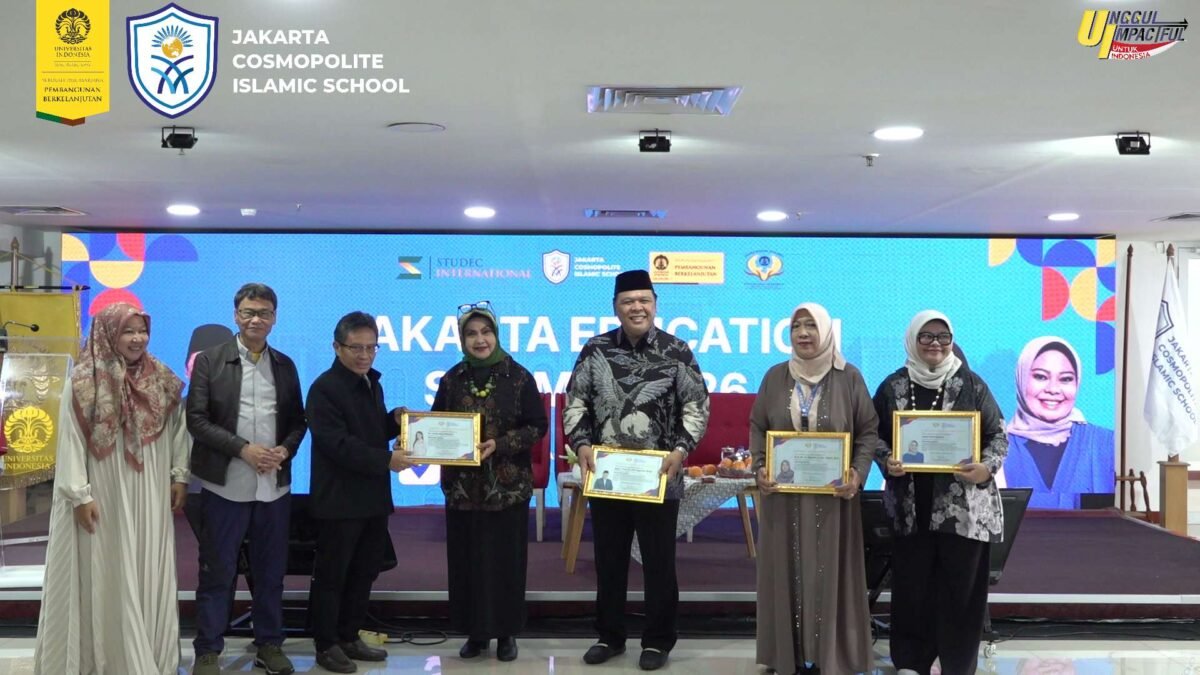
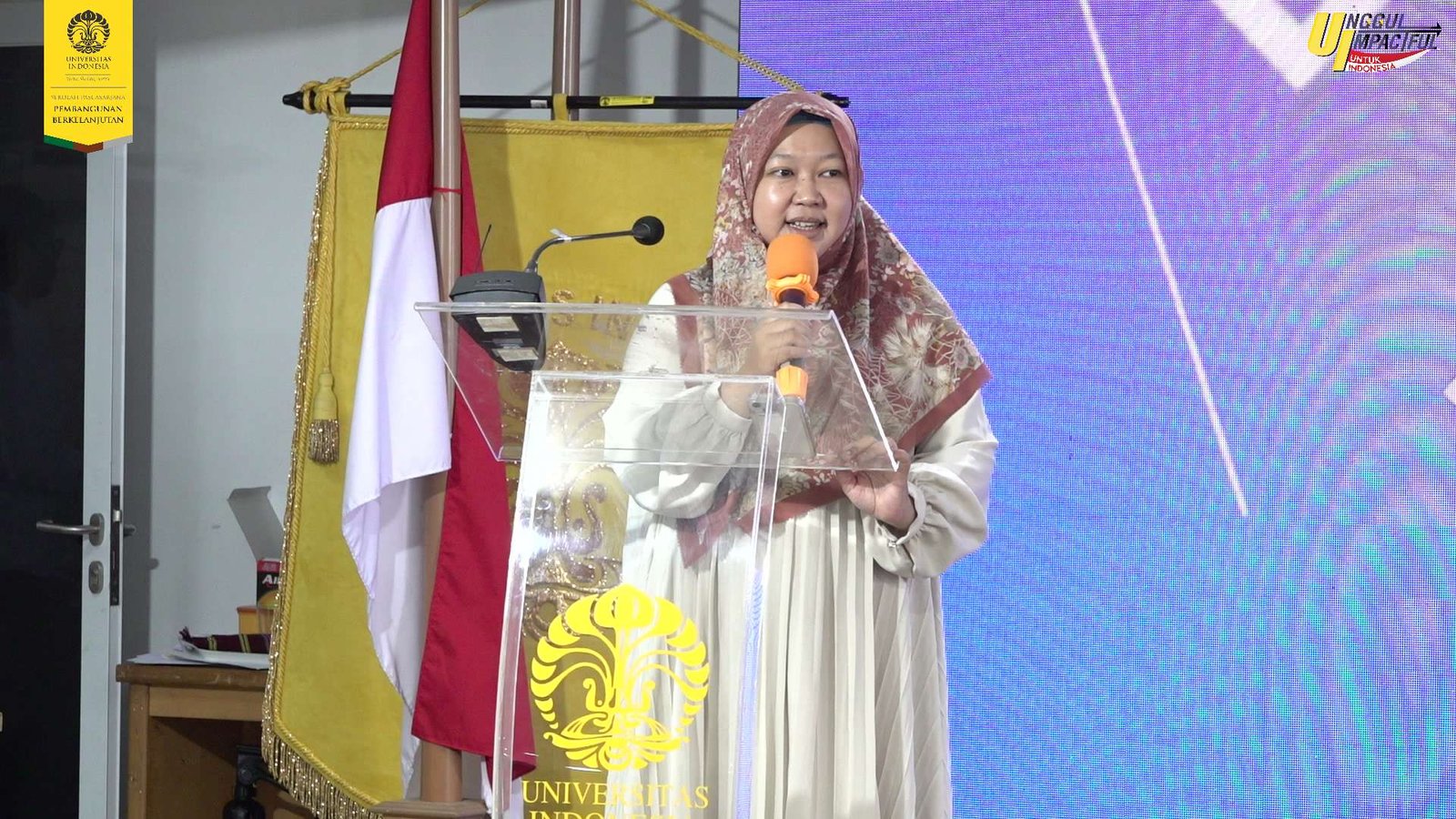
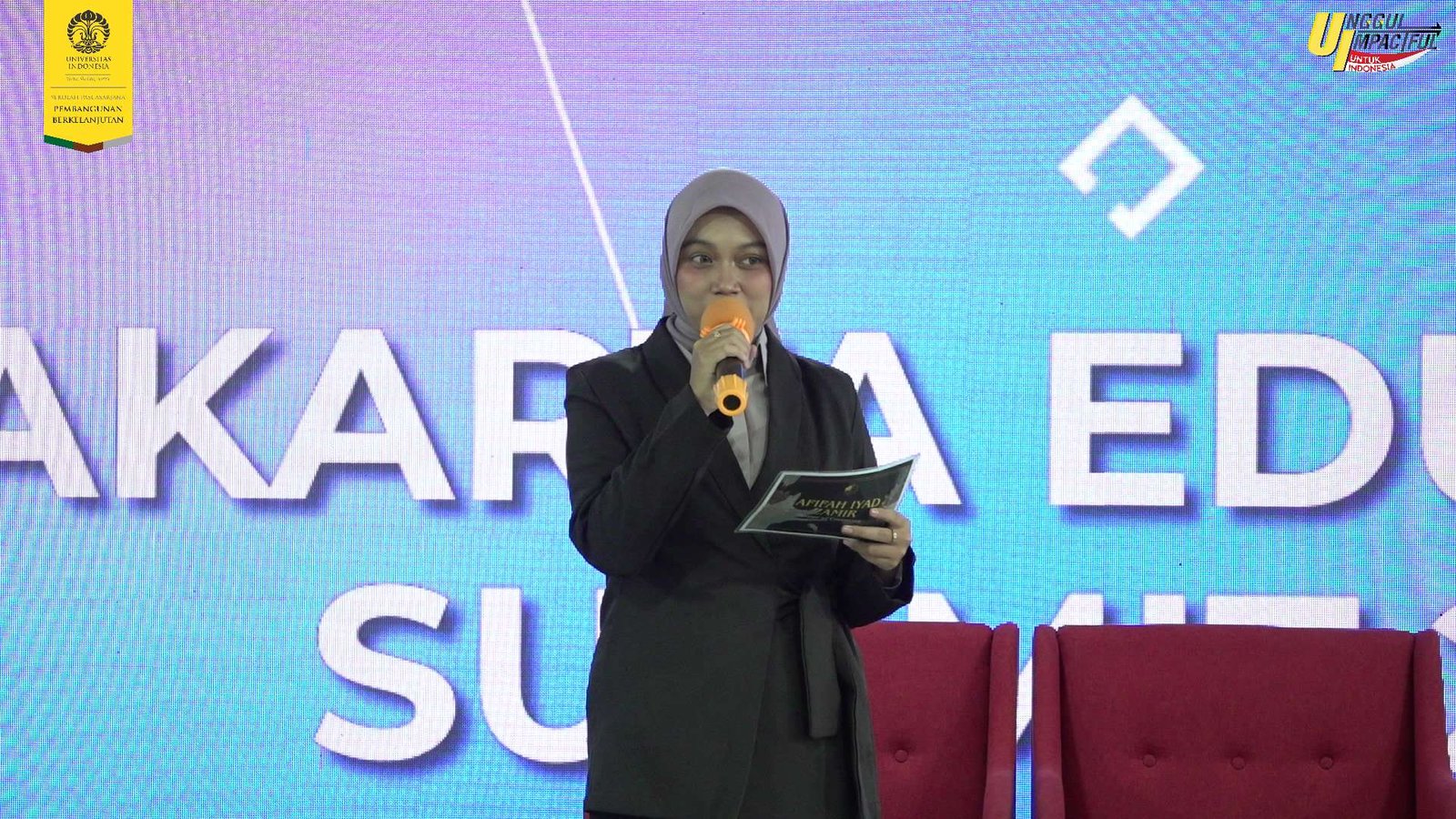
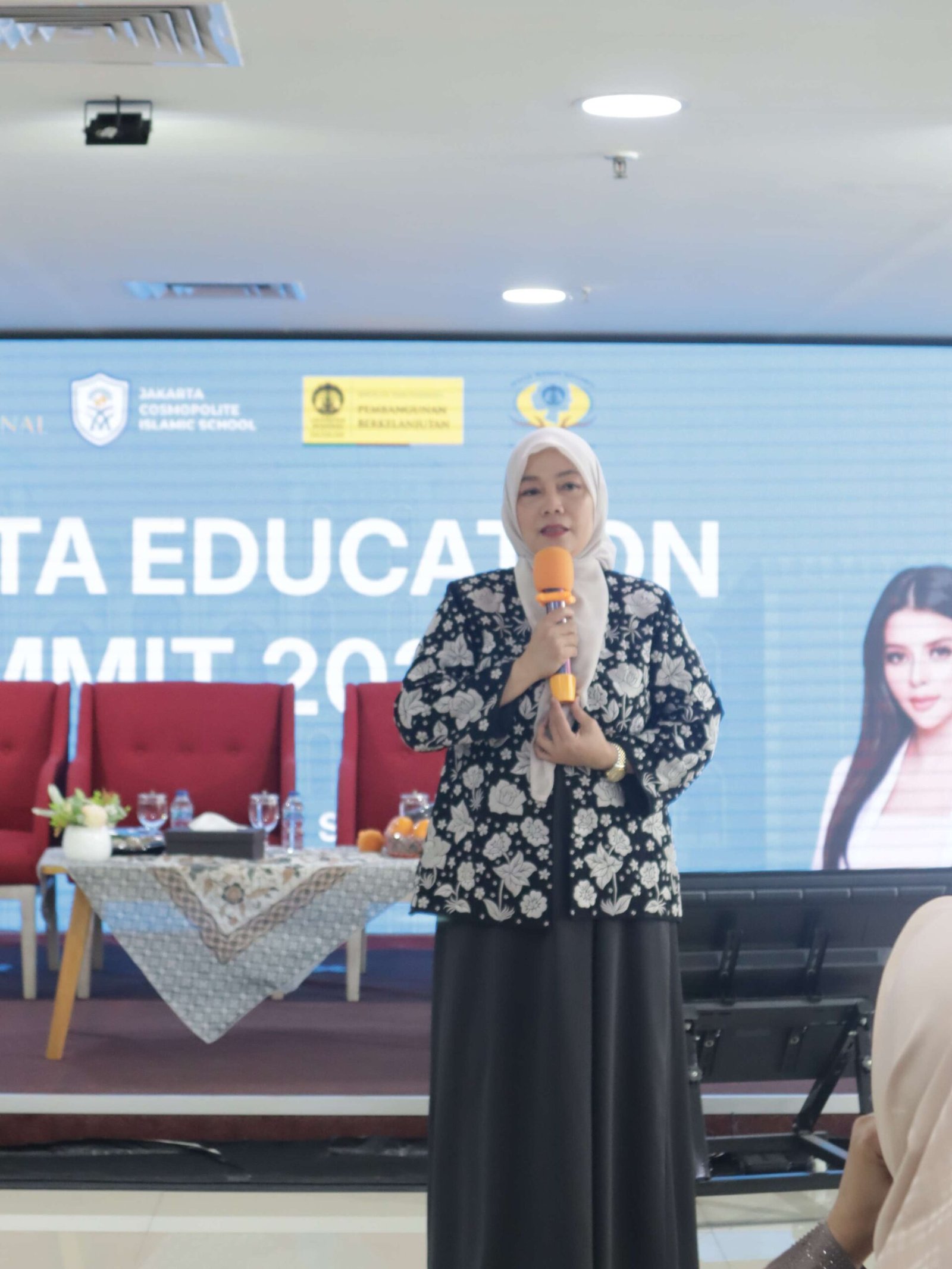
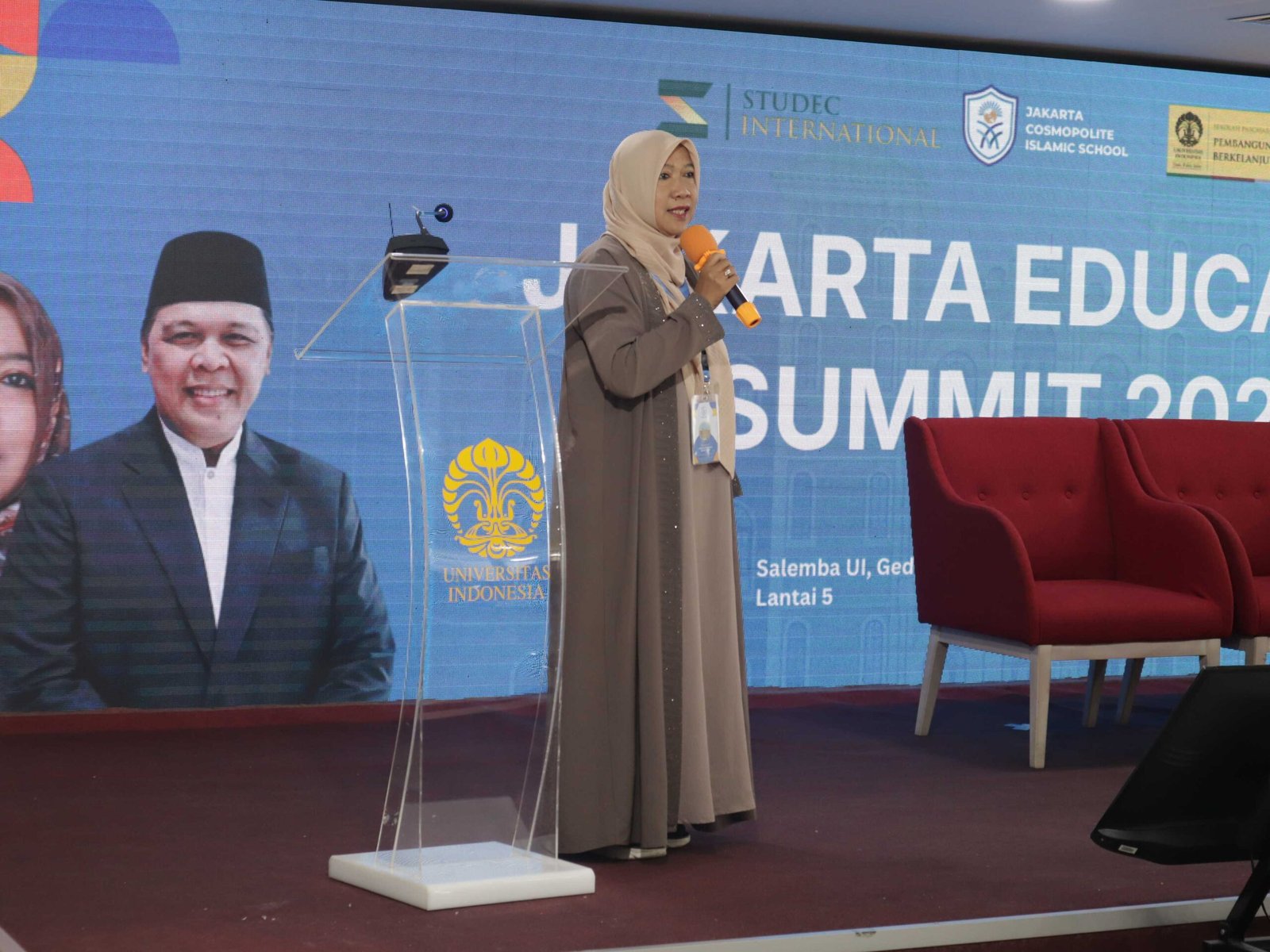
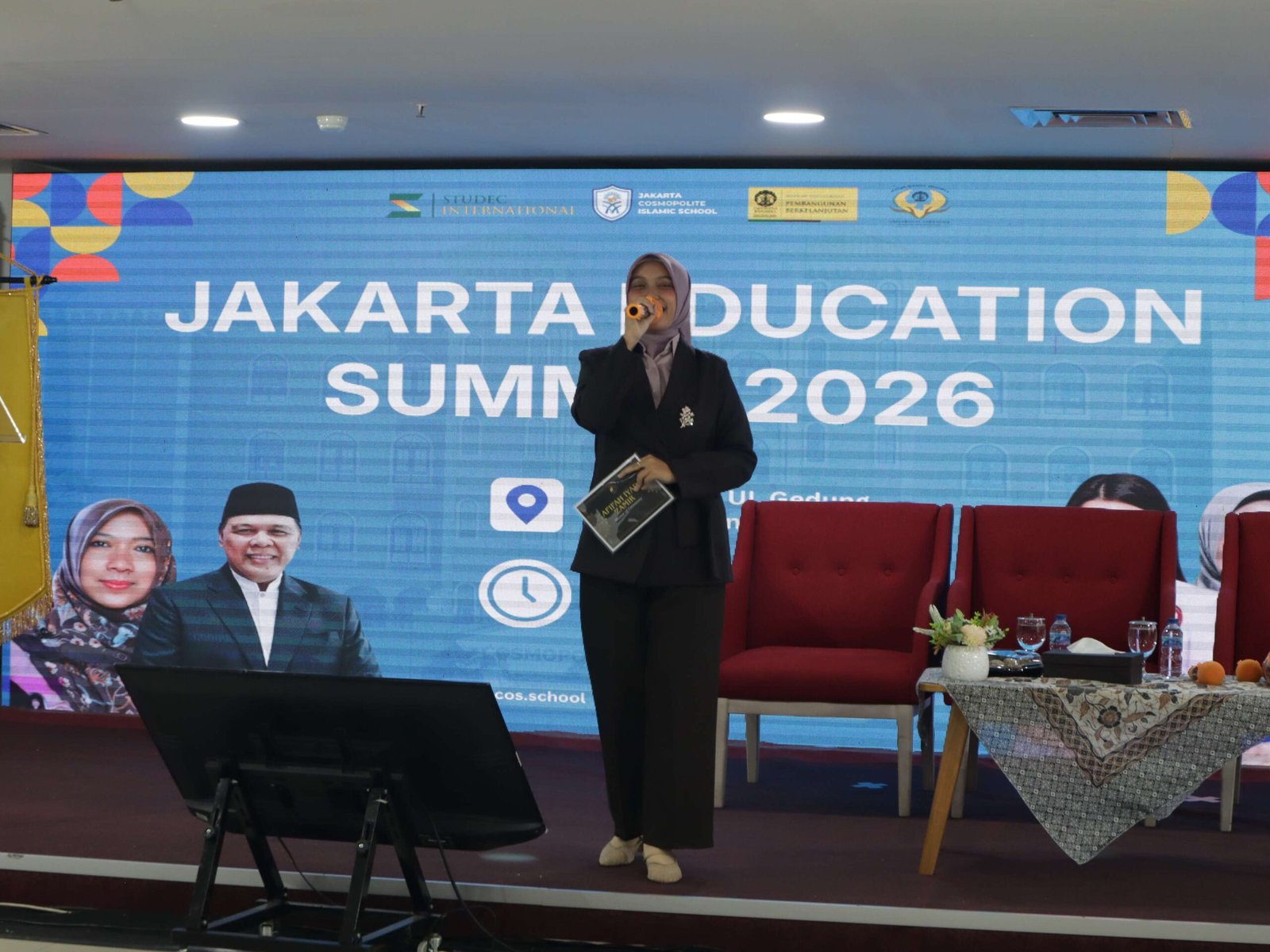
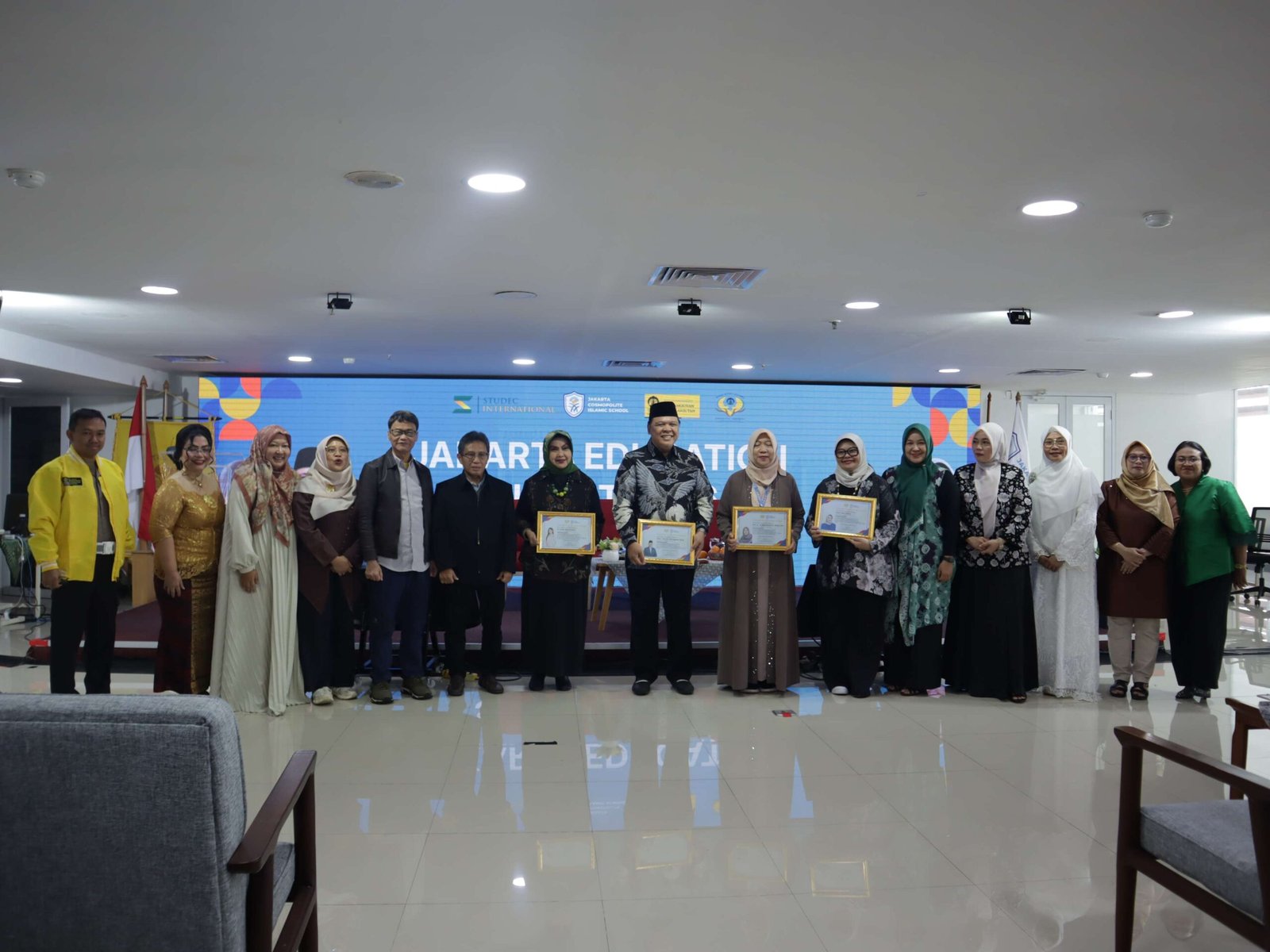
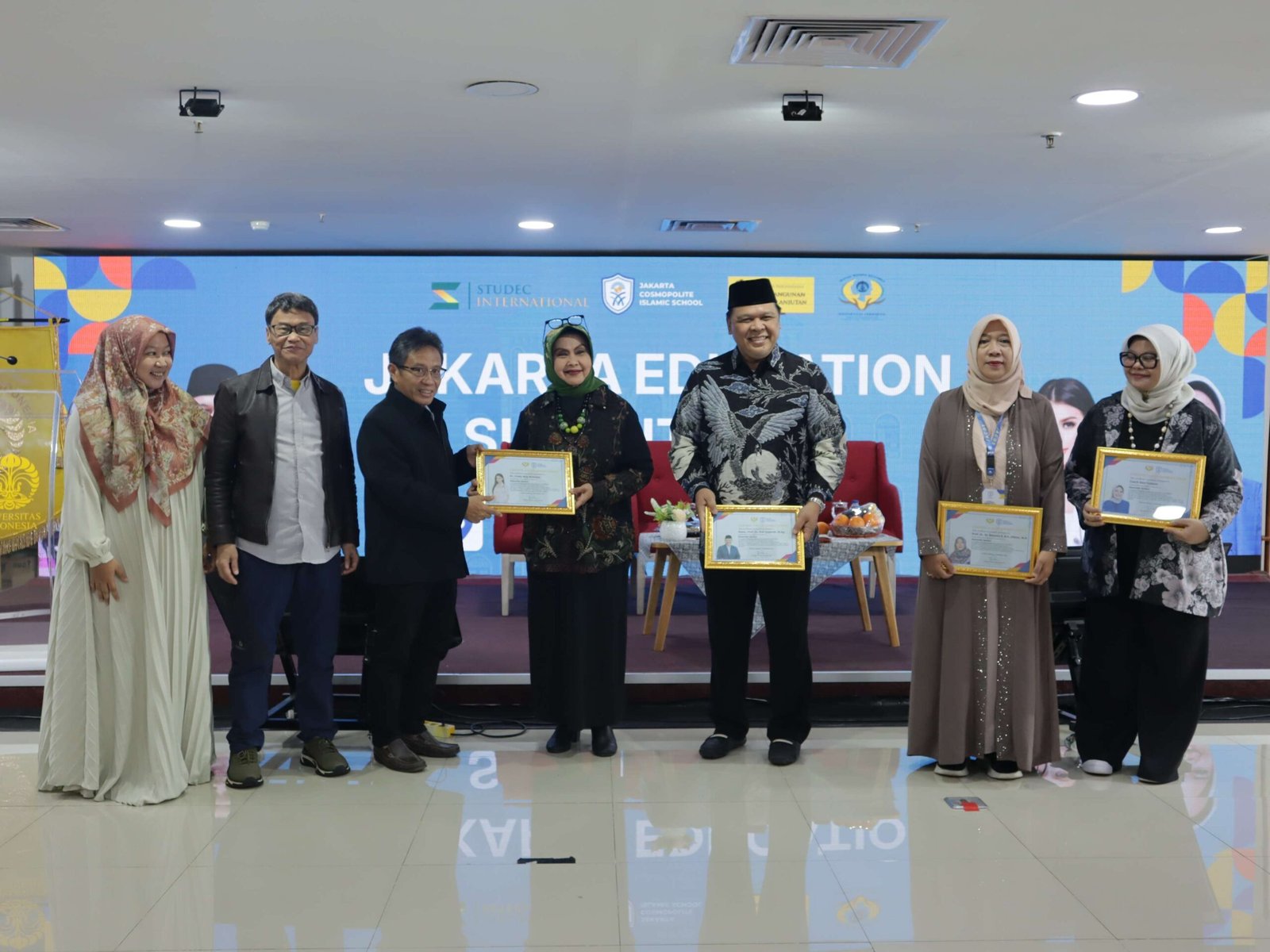
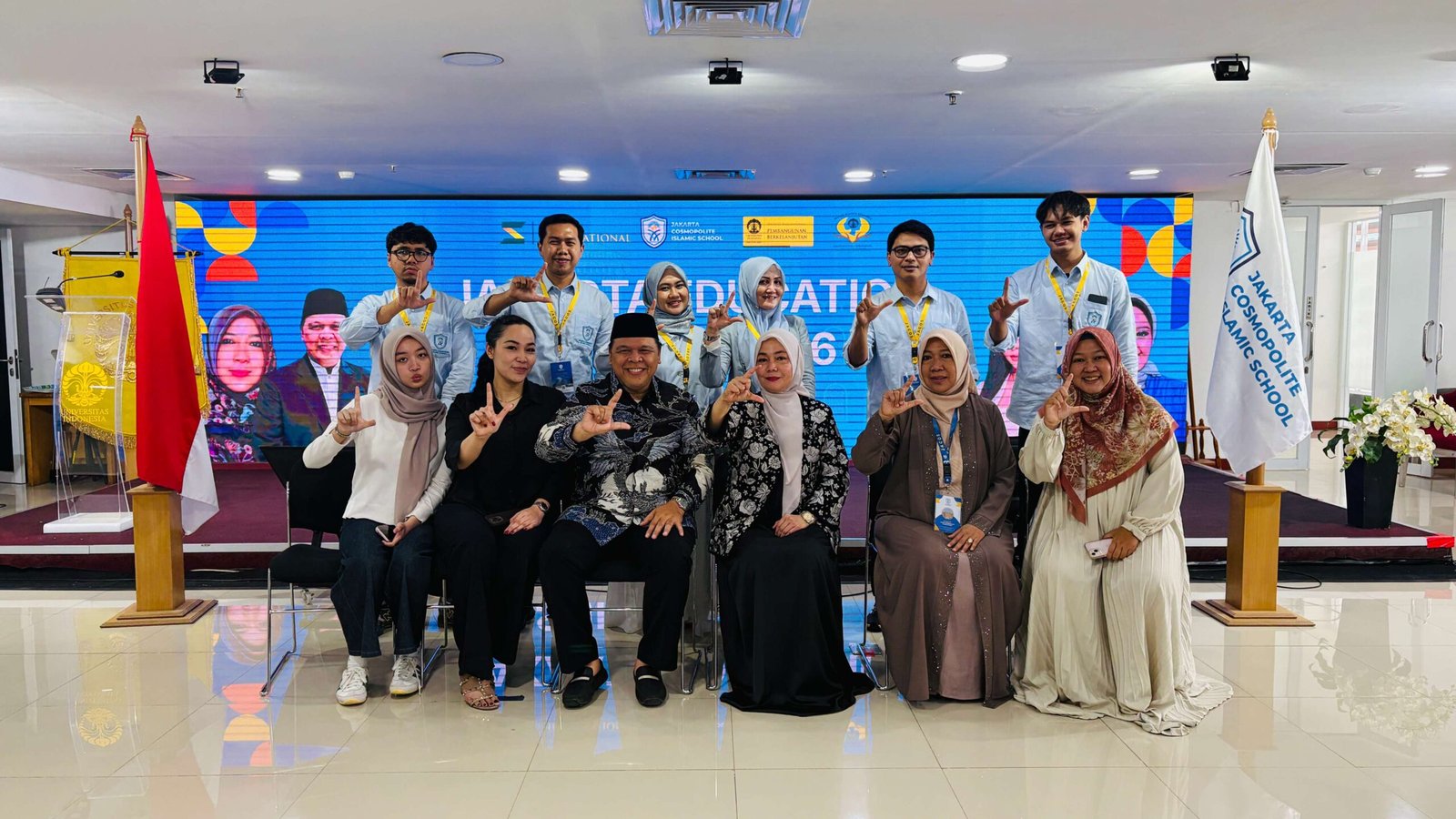
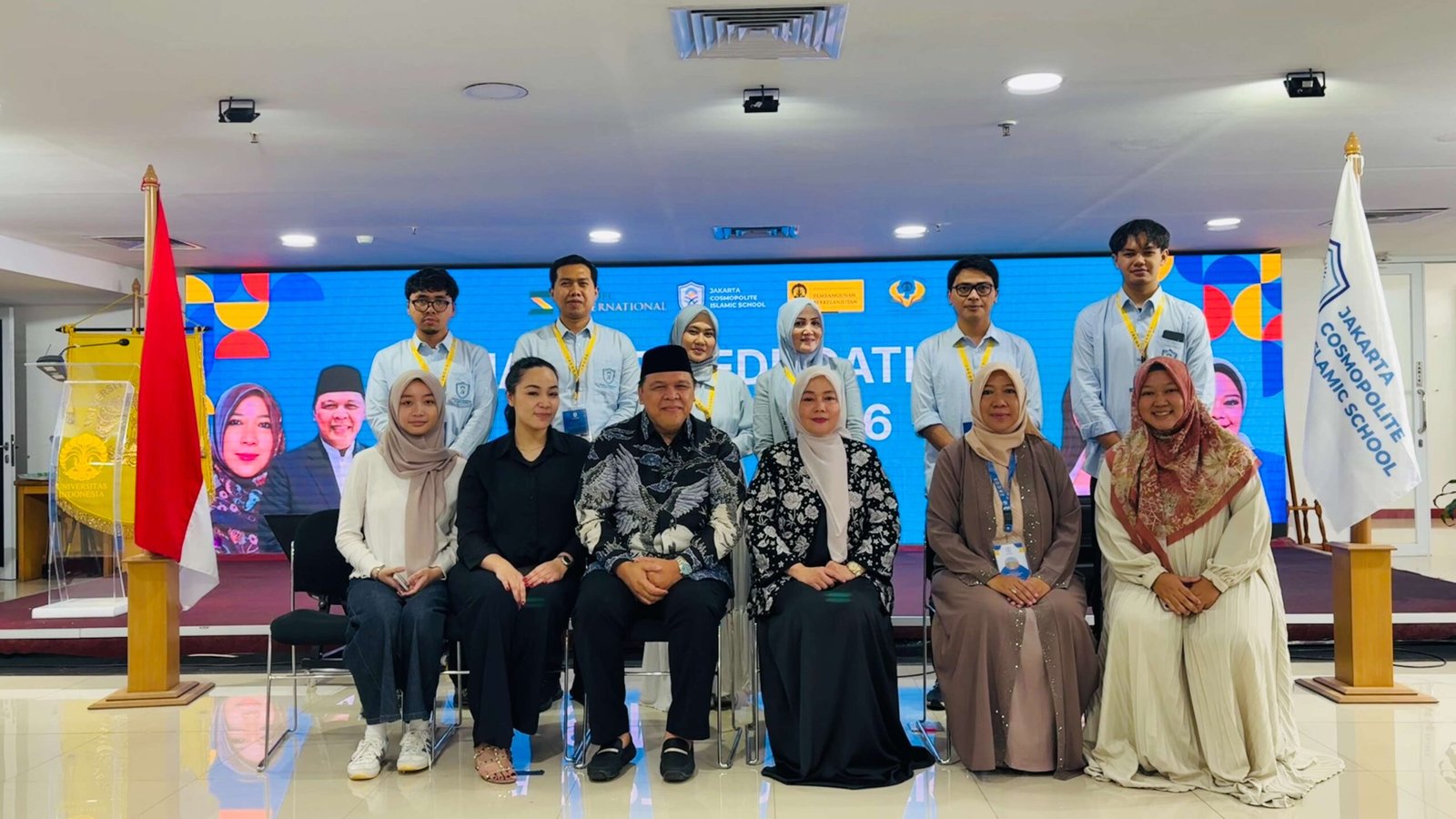
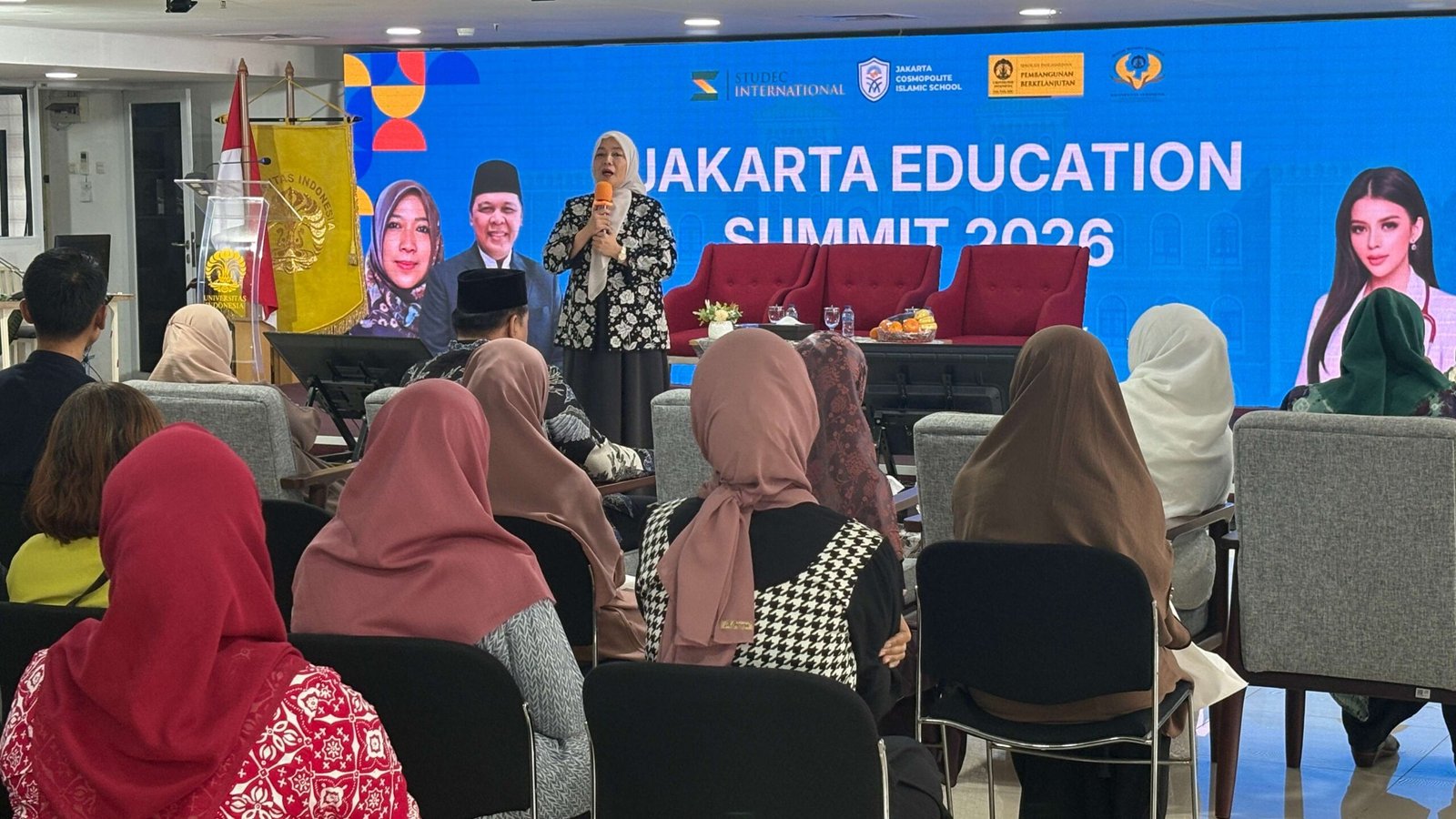
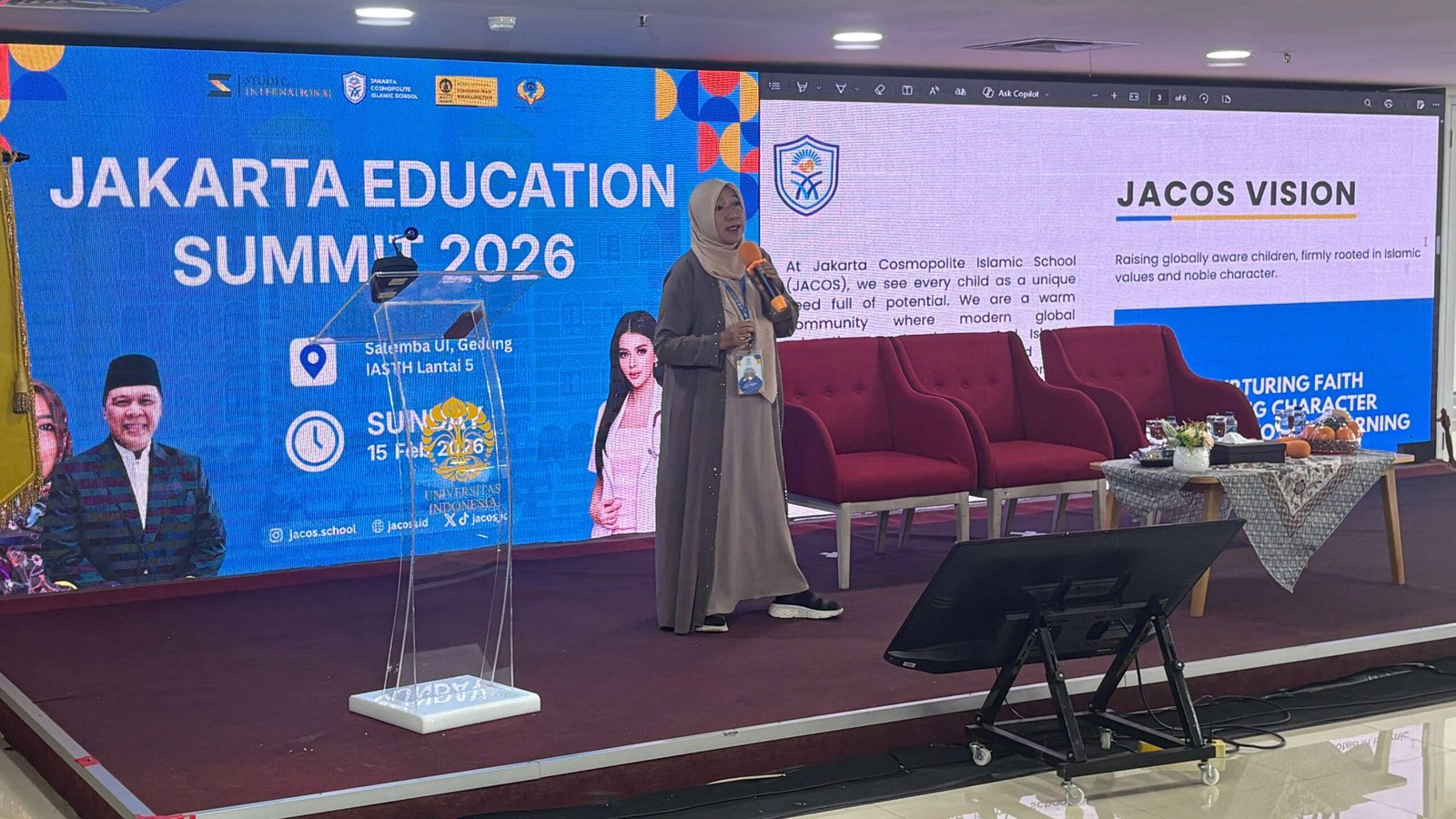
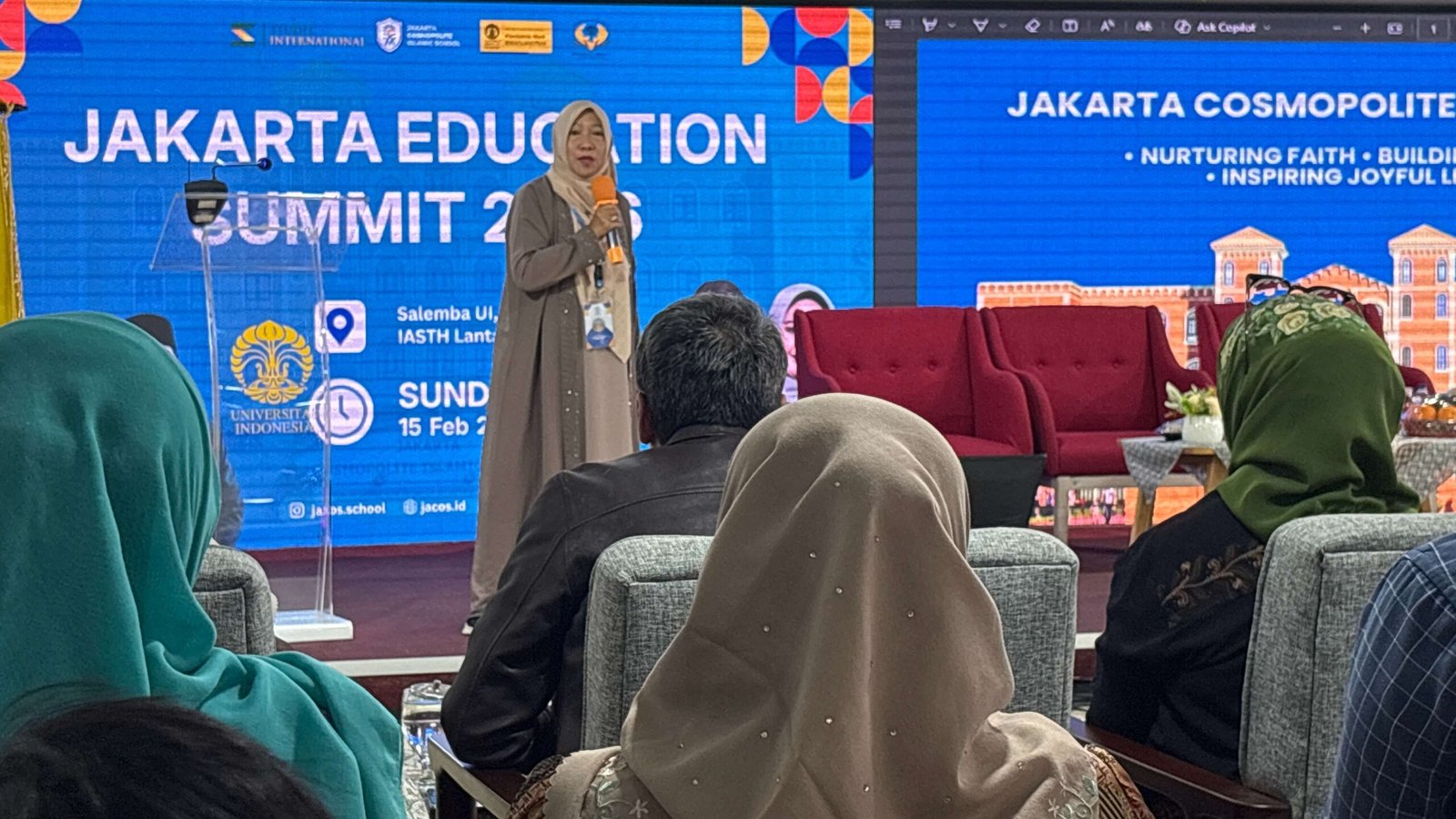
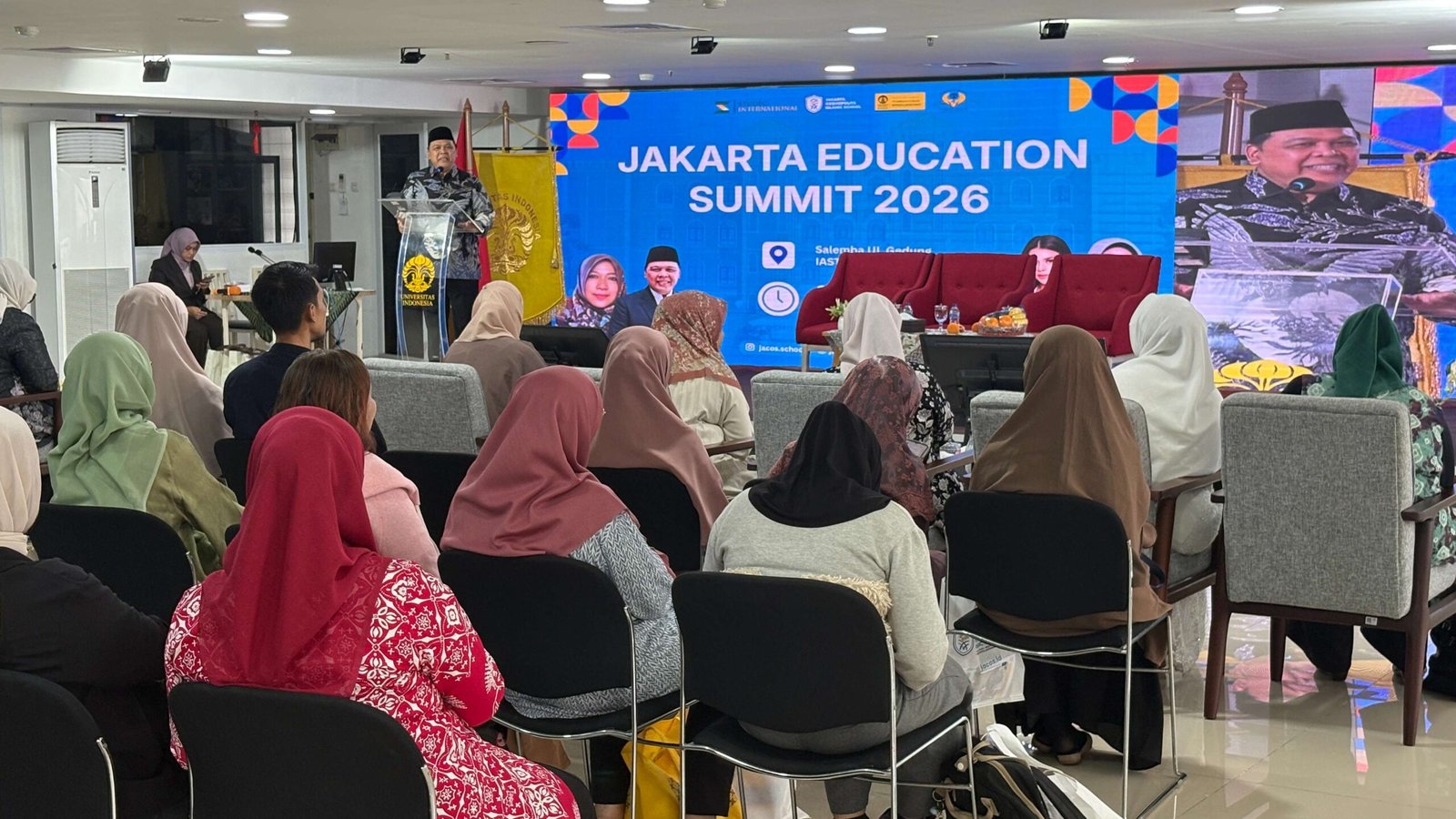
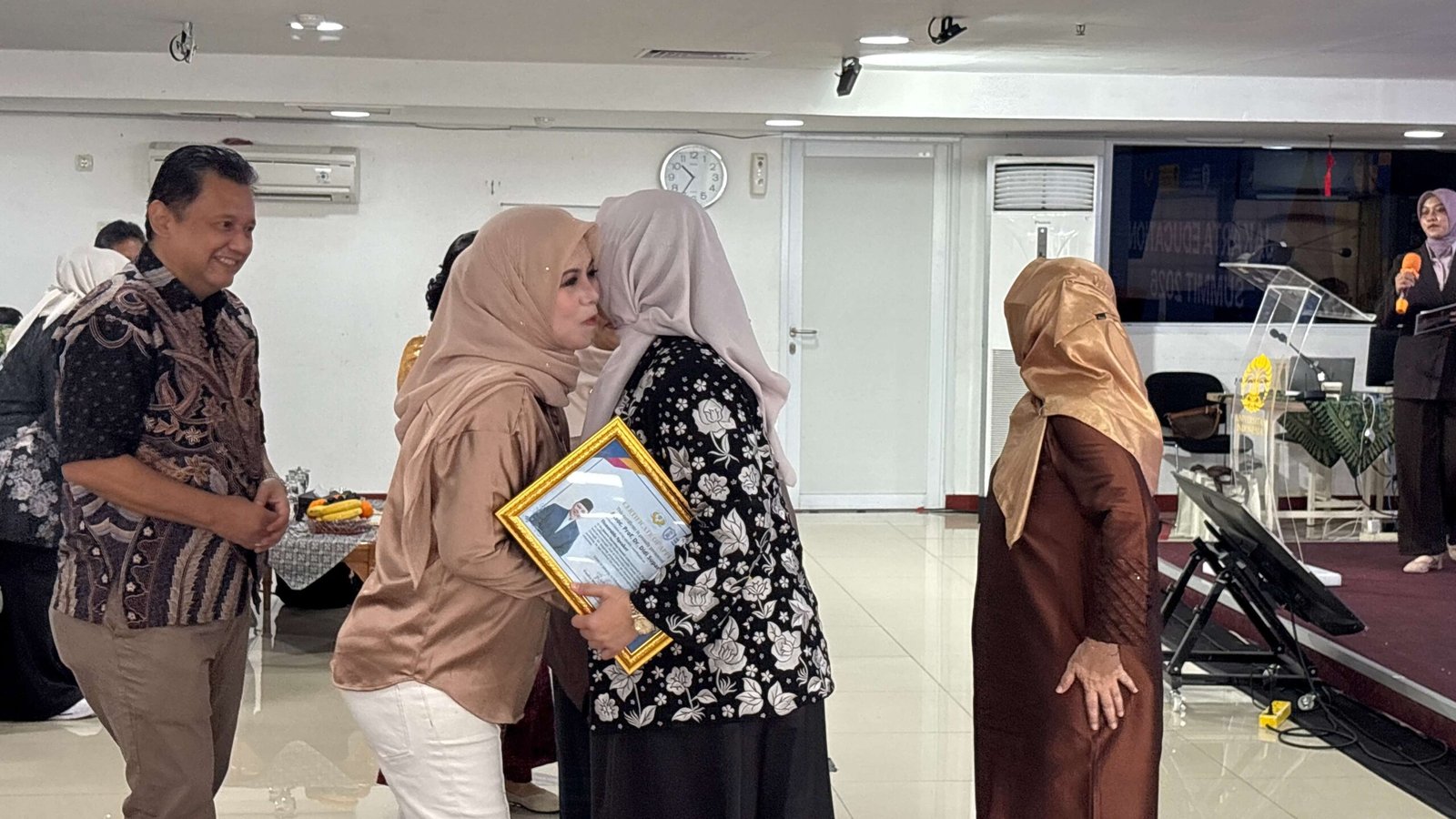
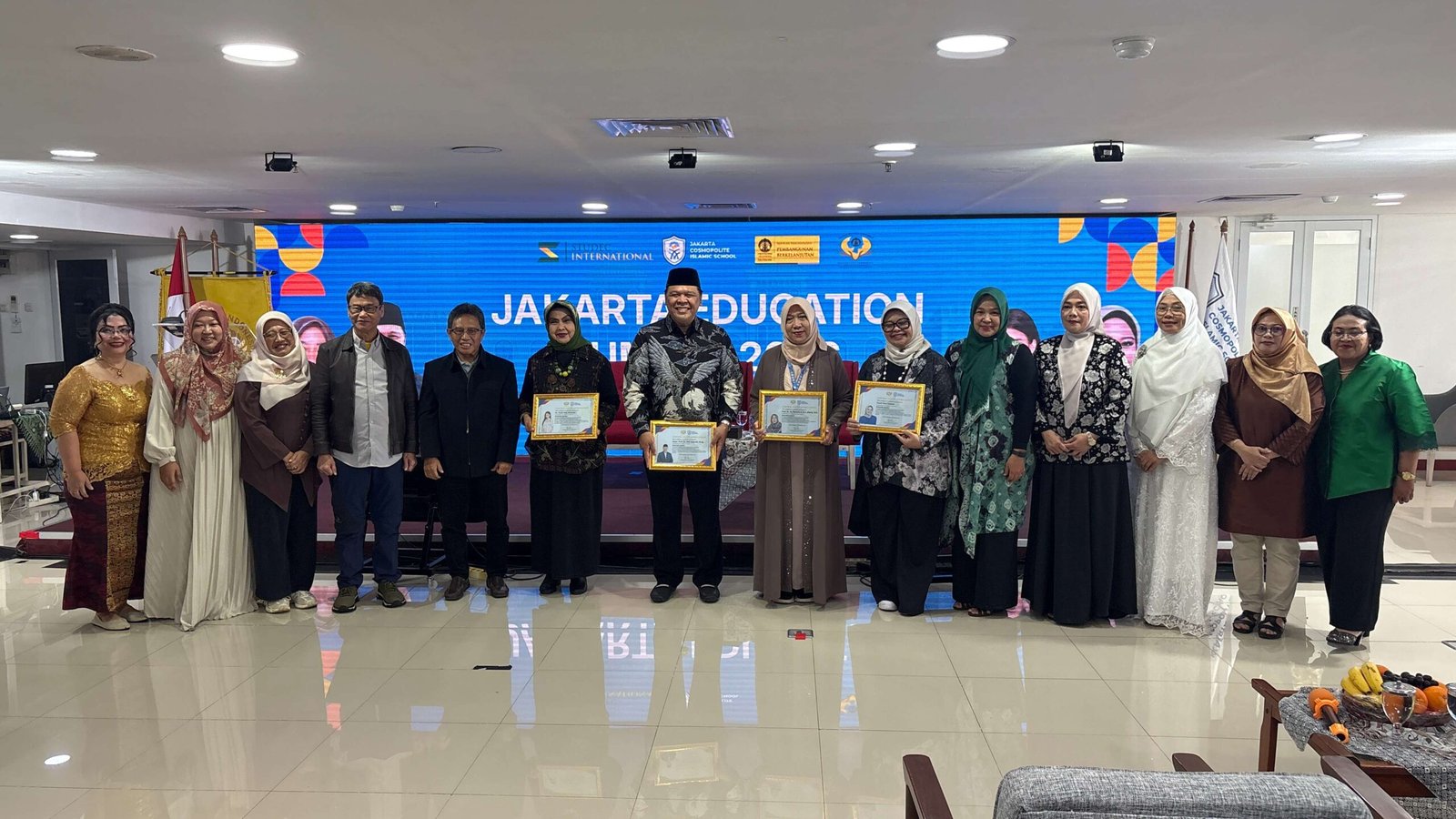
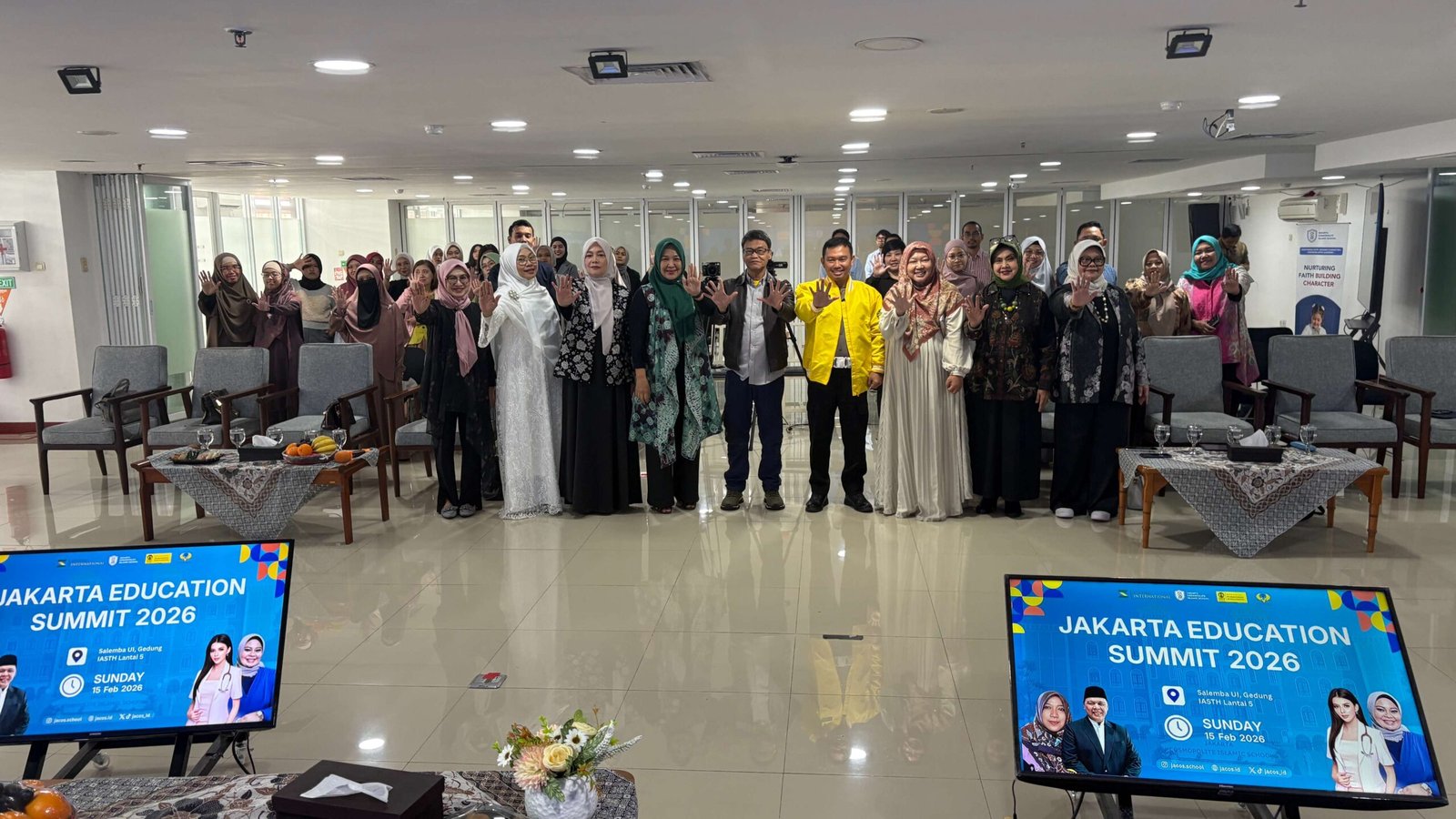
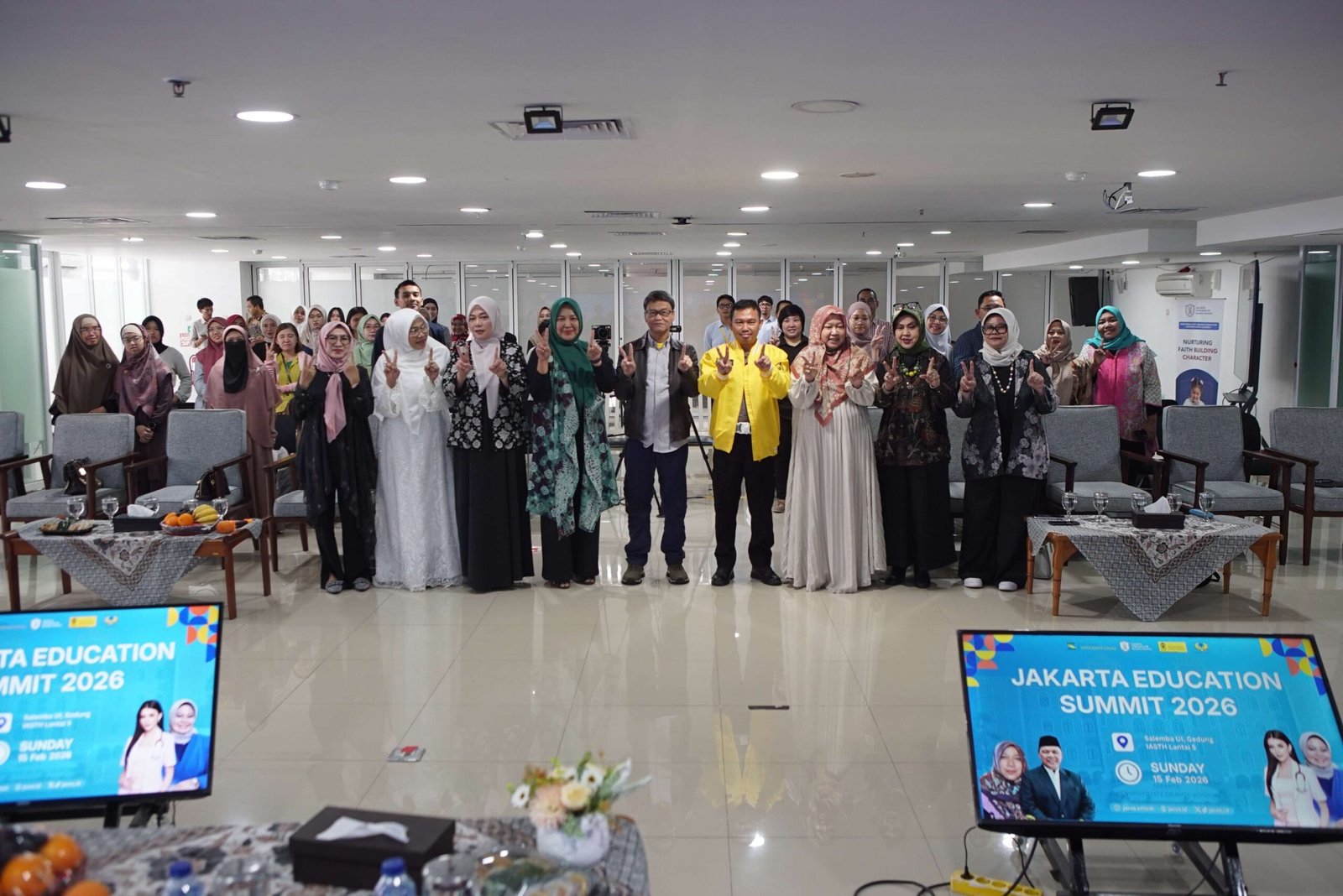
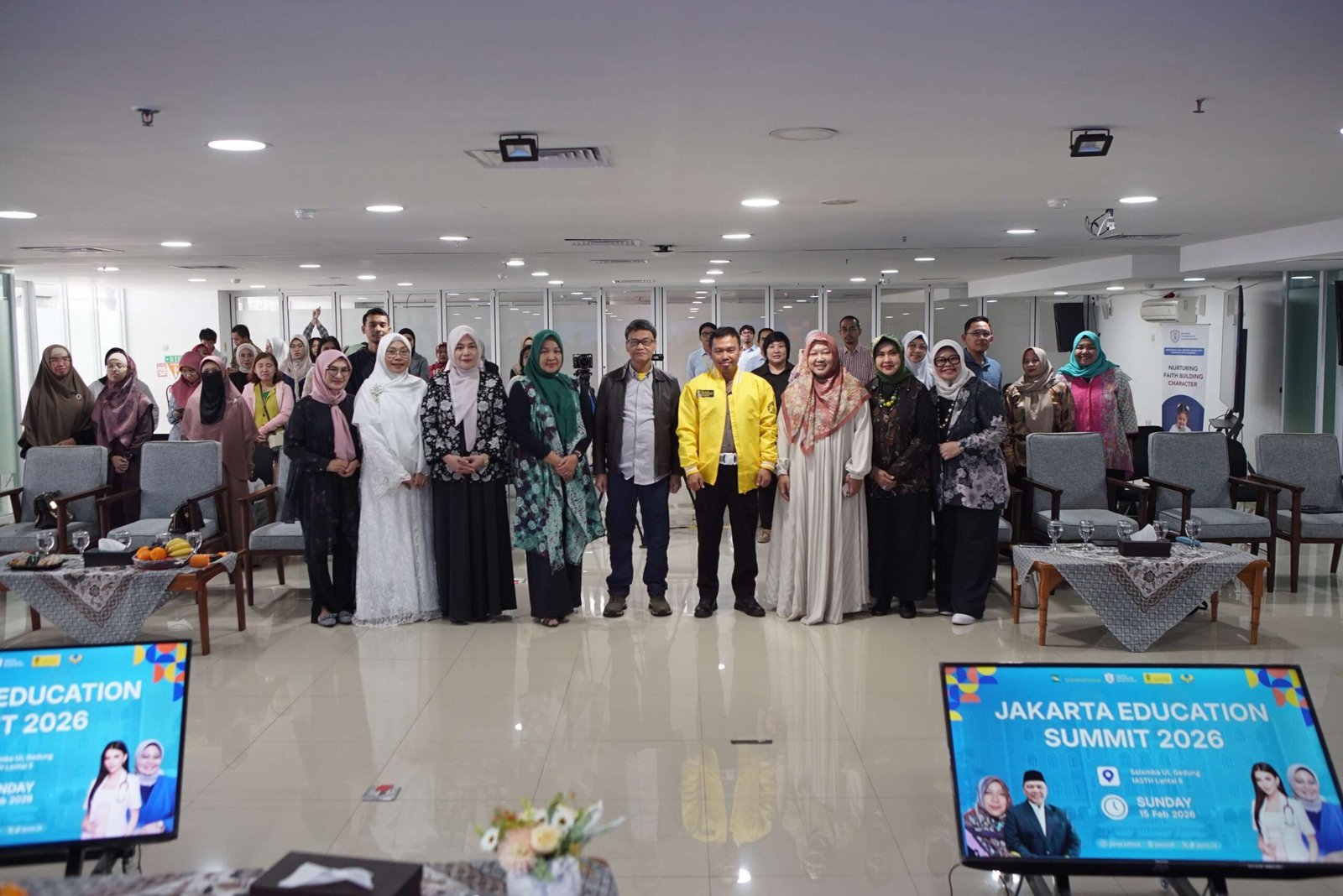
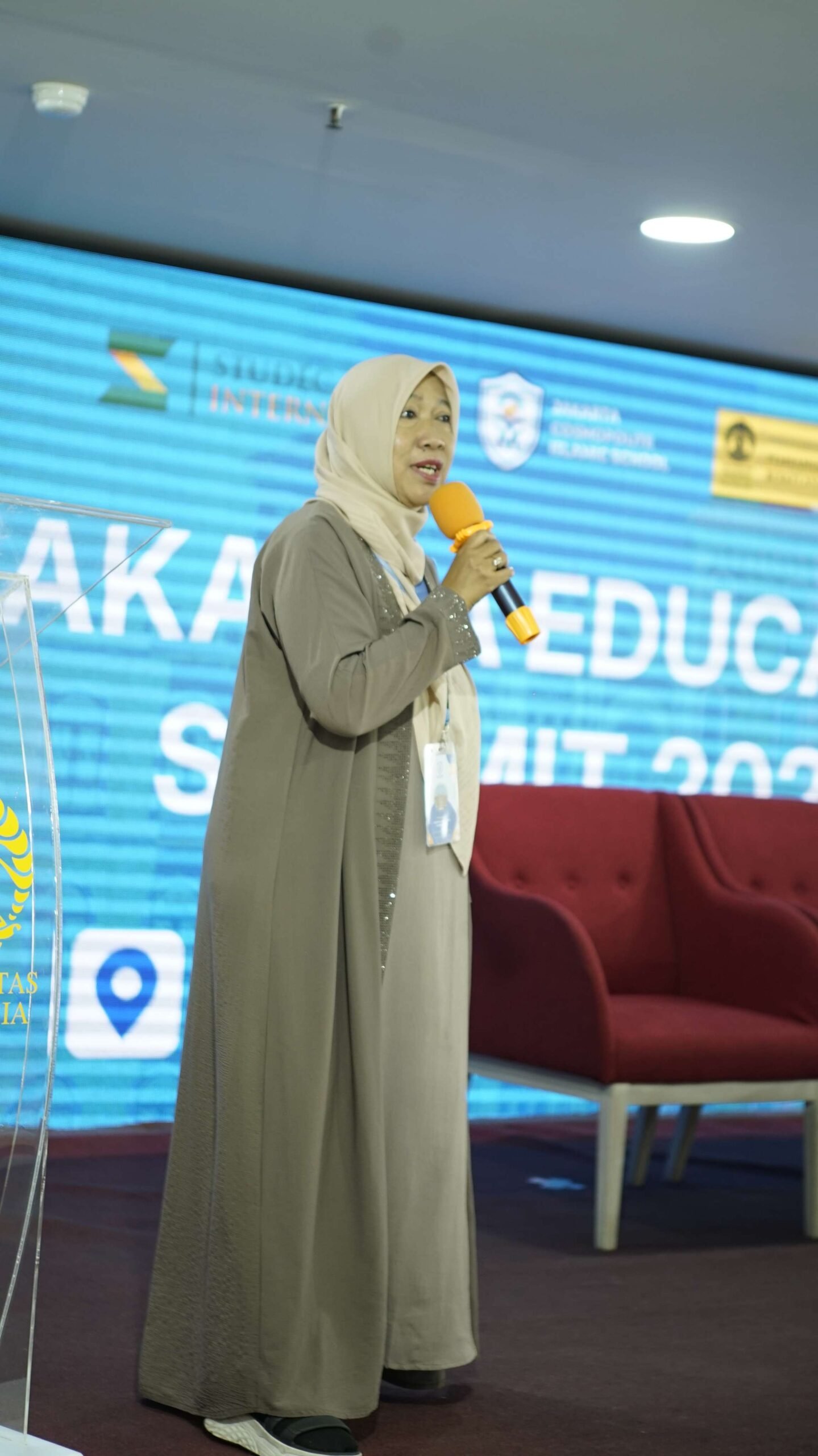
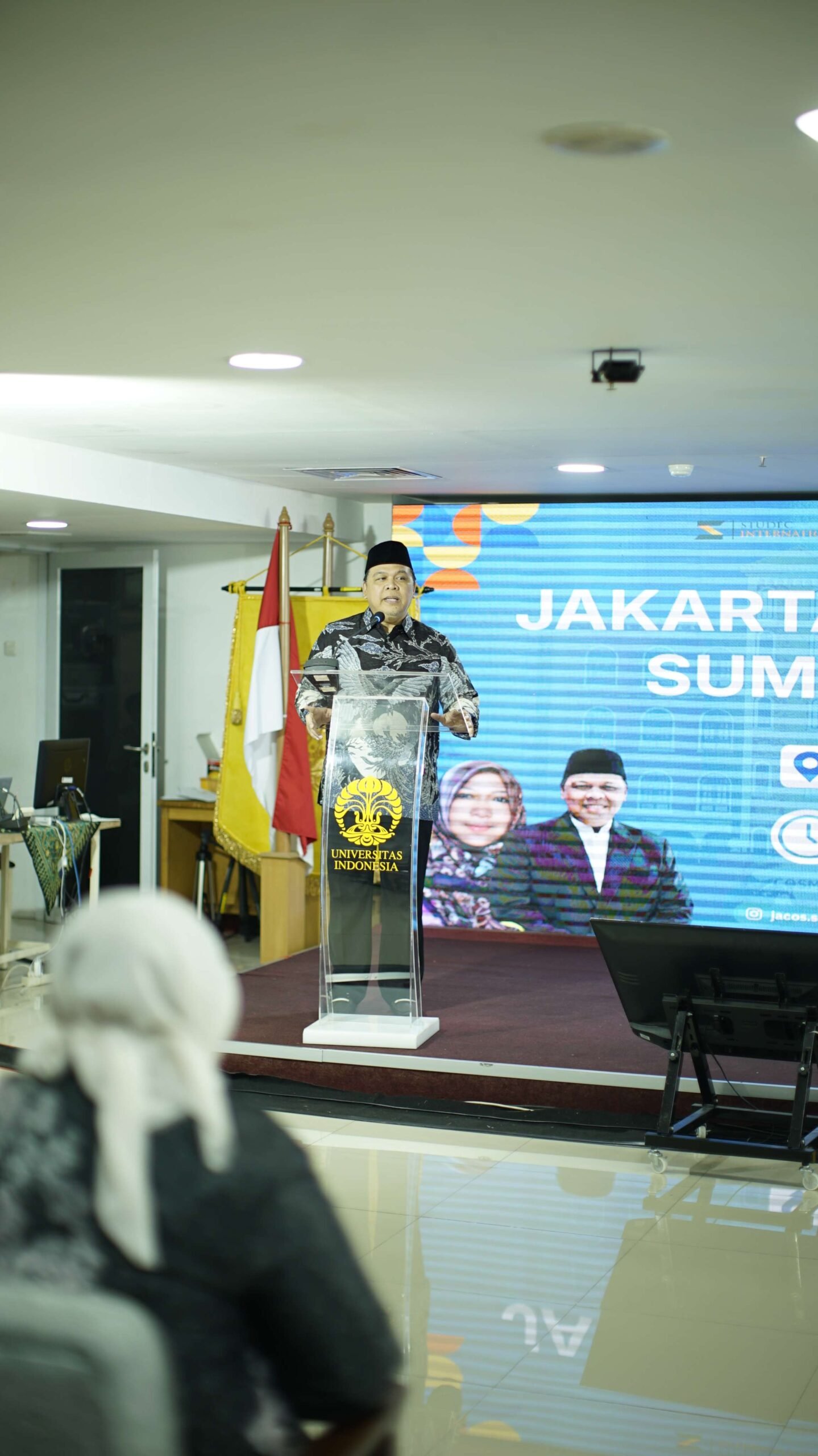
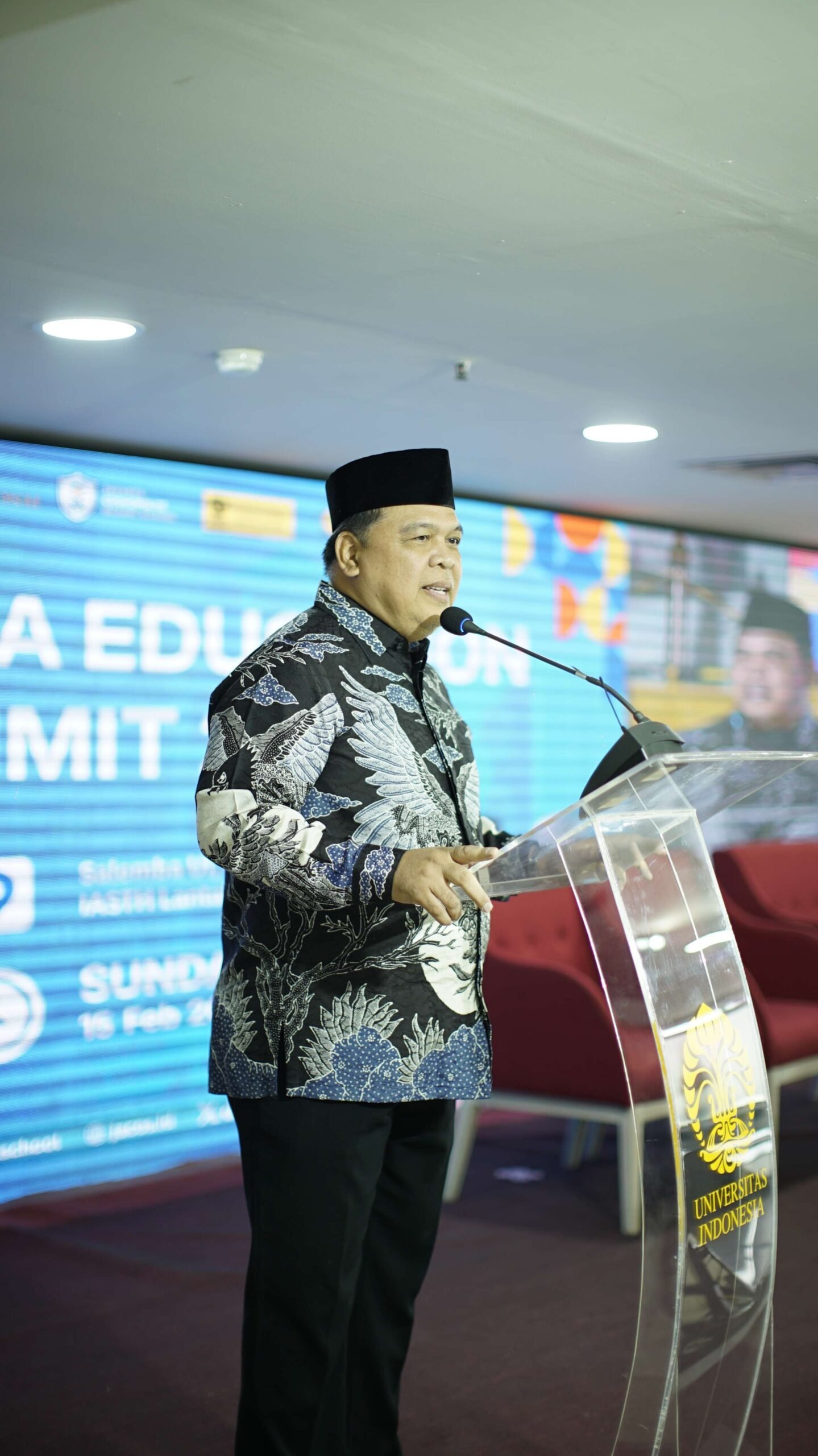
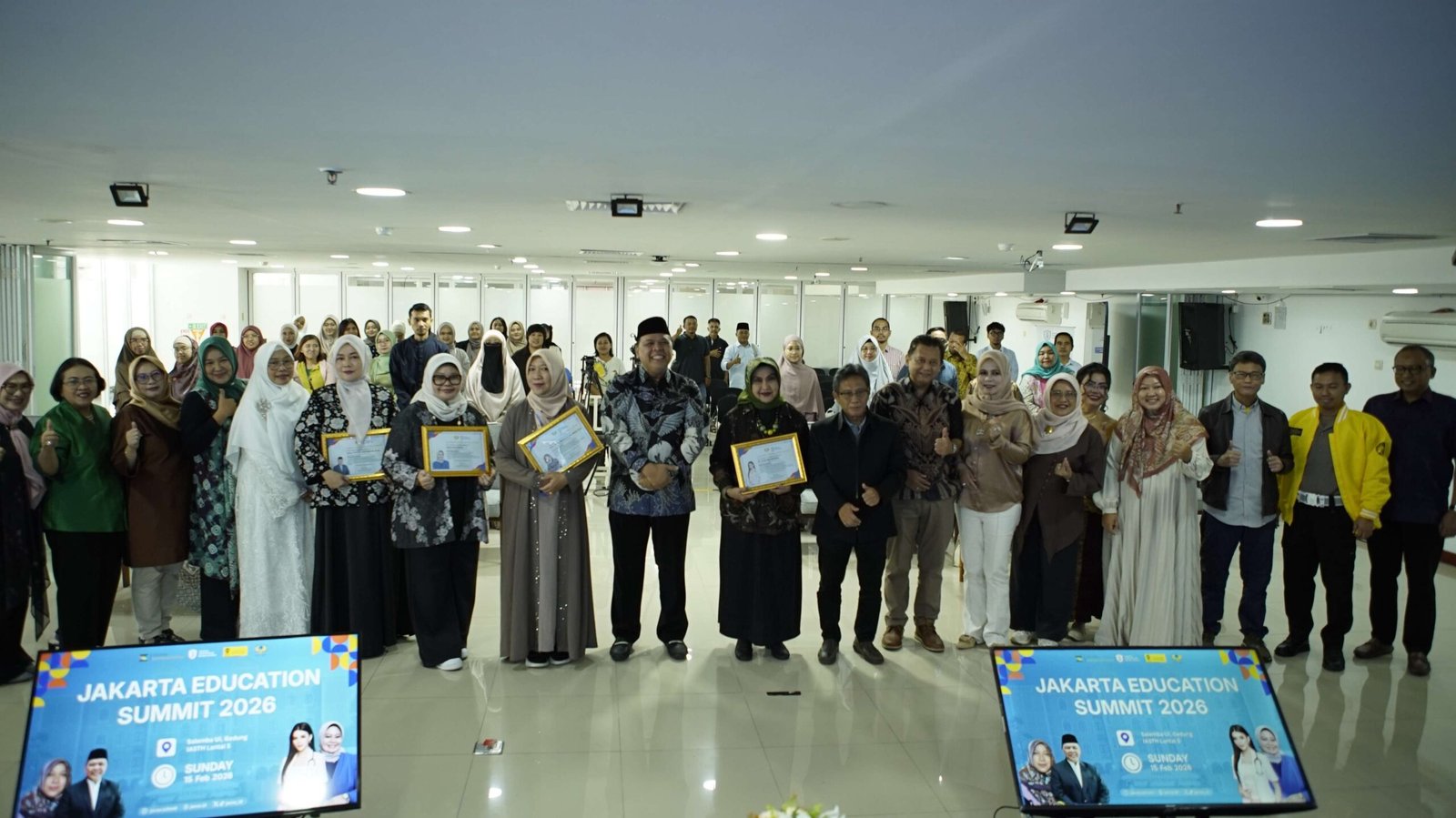
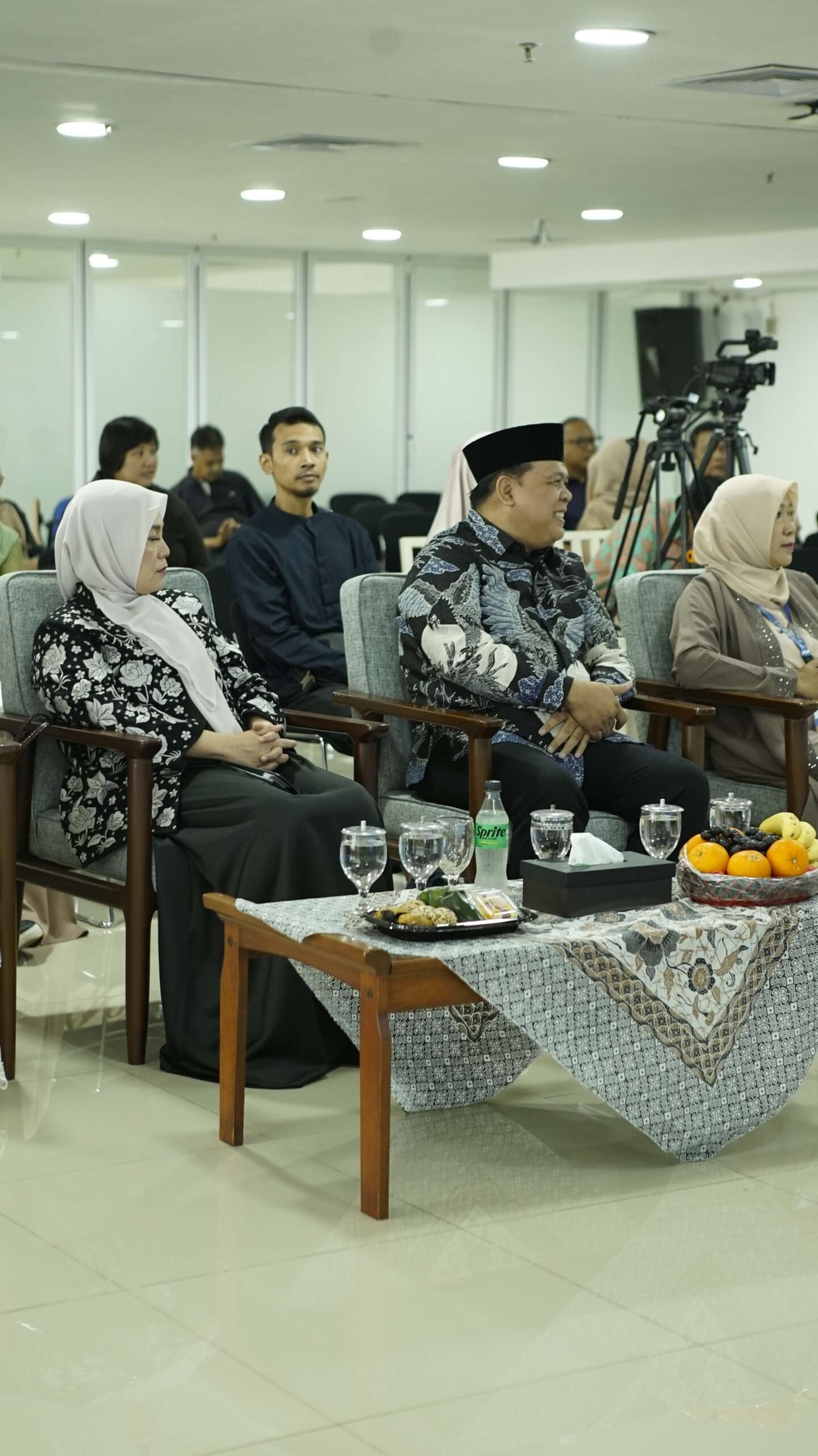
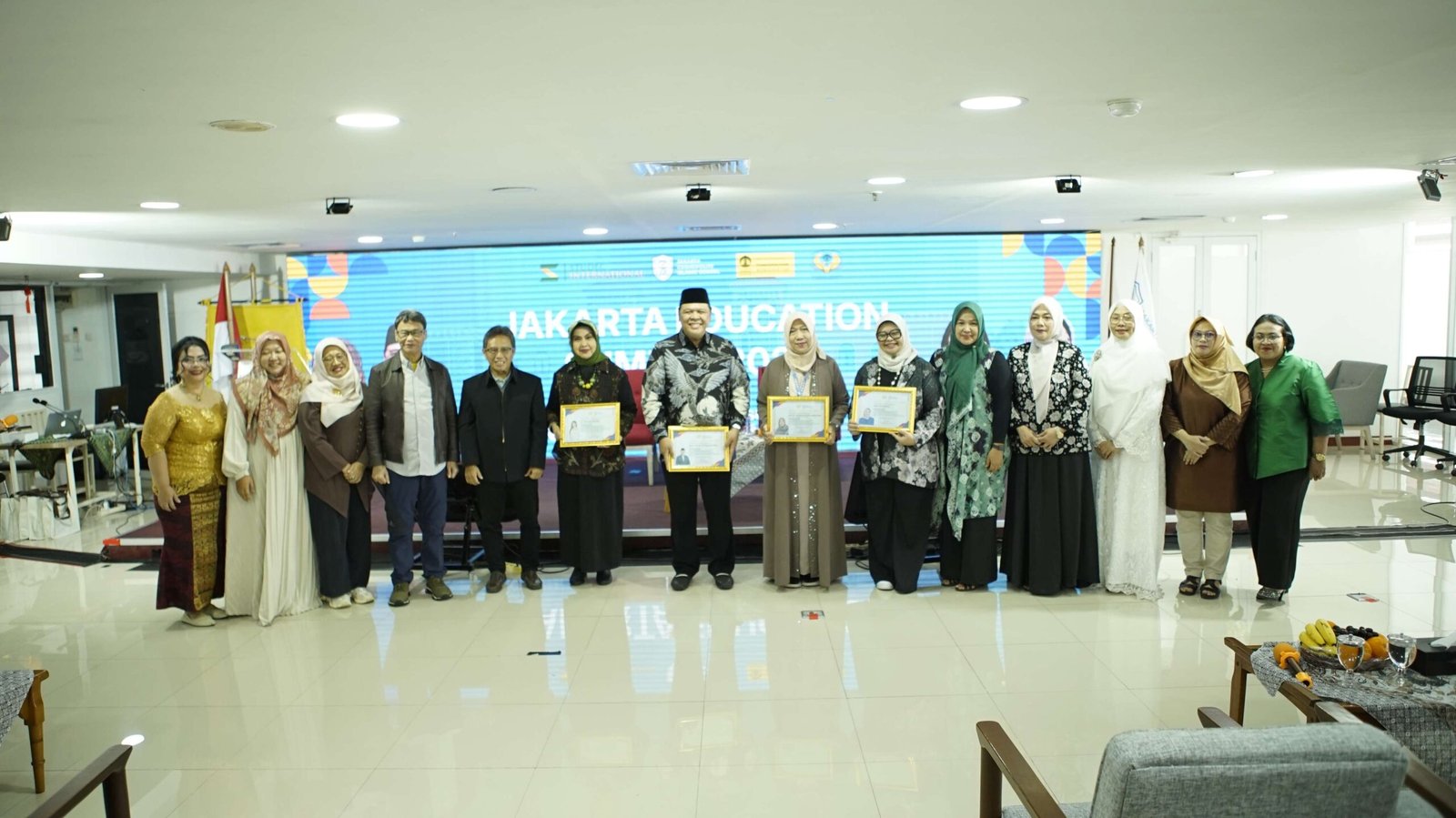
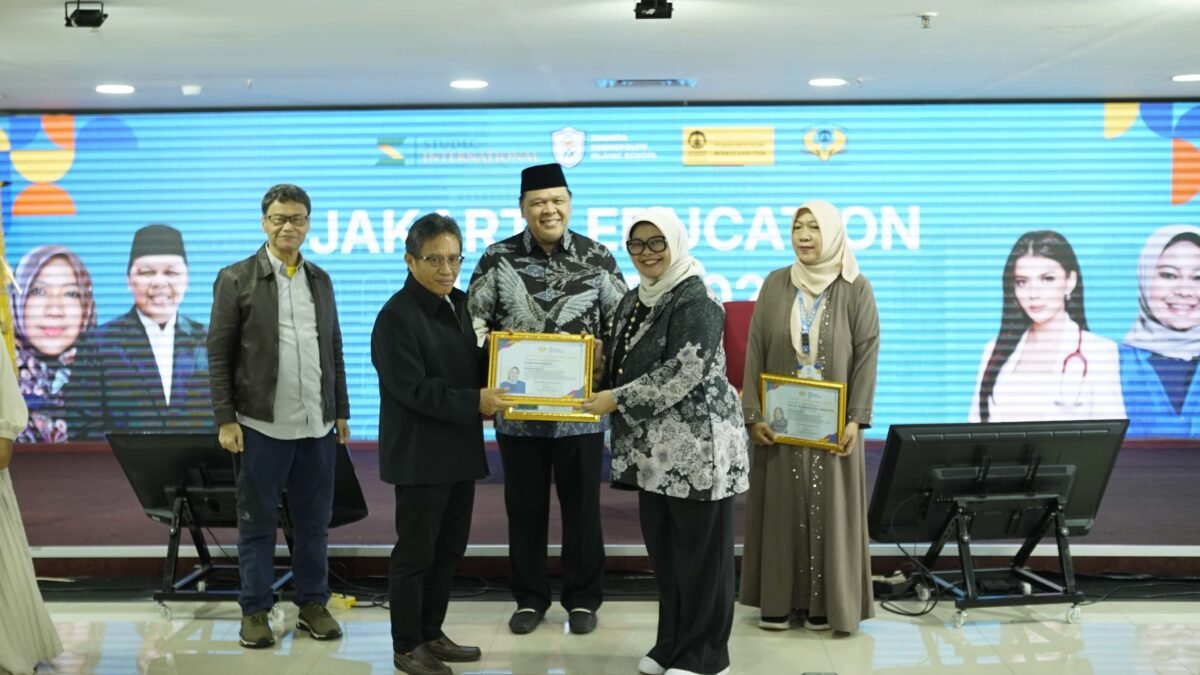
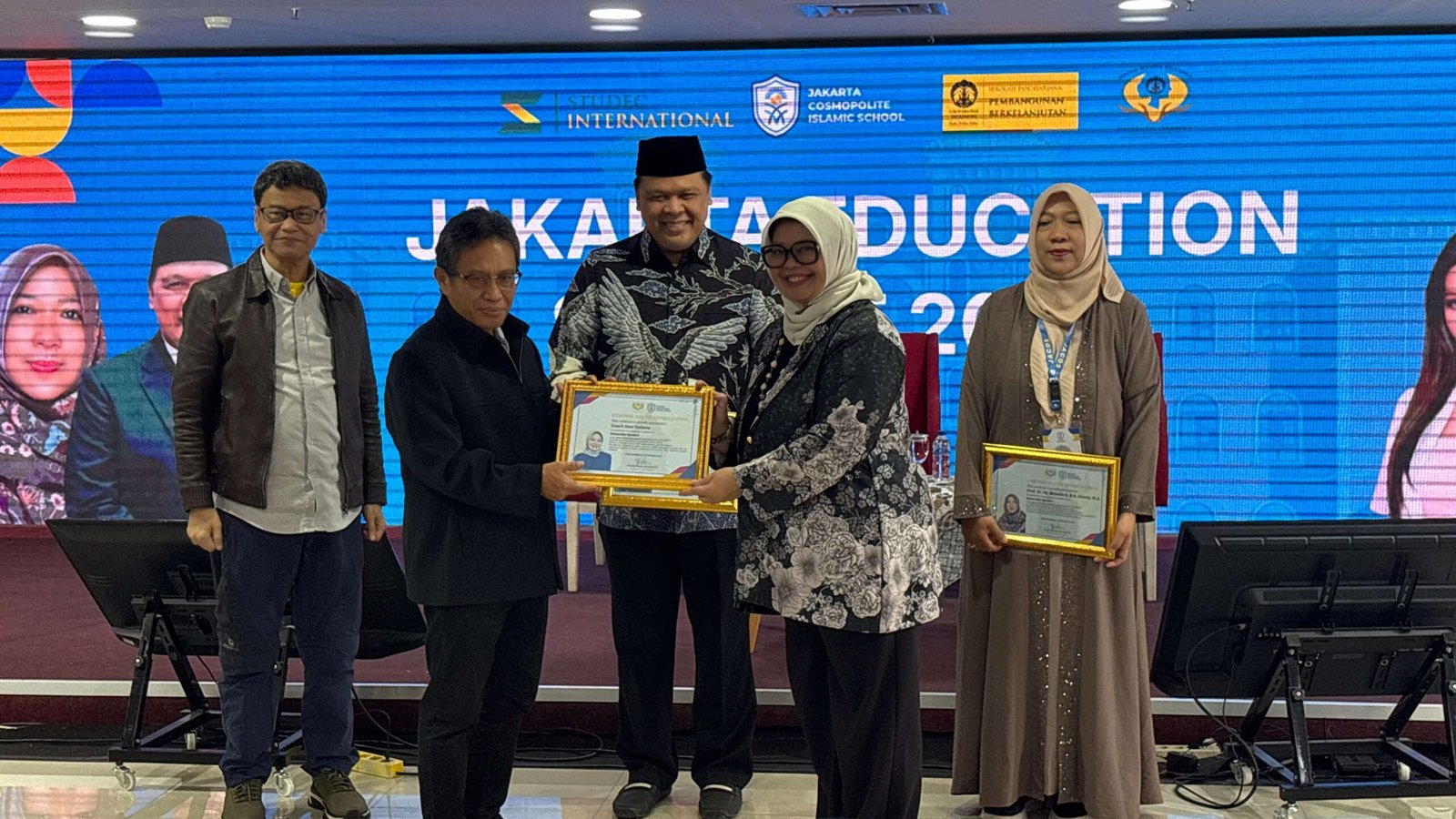
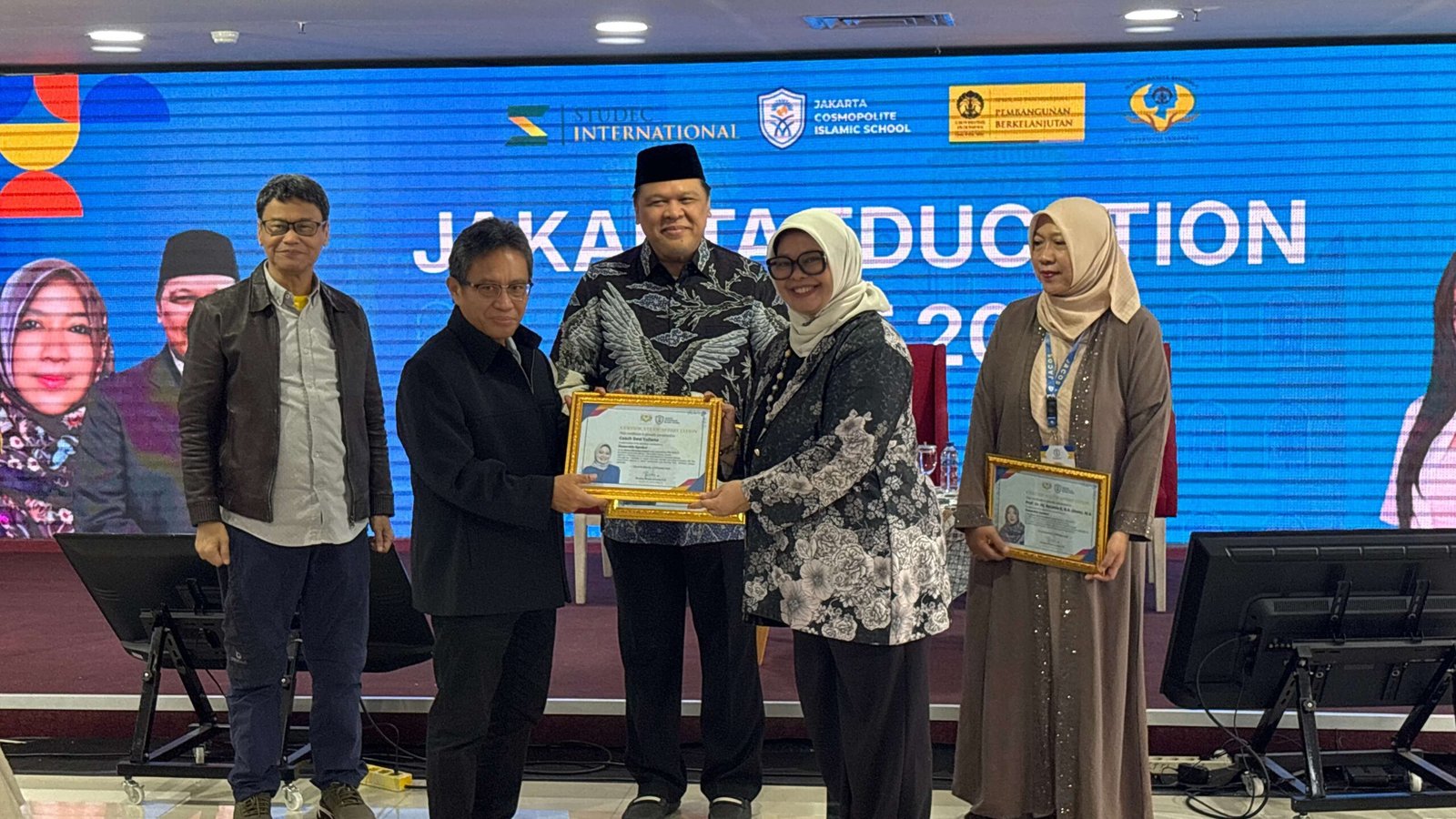
Jacos.id – Komitmen untuk memperkuat posisi Indonesia sebagai pusat ilmu pengetahuan, pendidikan karakter dan sains global ditegaskan dalam Jakarta Education Summit 2026 yang diselenggarakan pada 15 Februari 2026 di Kampus Universitas Indonesia (UI) Salemba.

Forum ini merupakan kolaborasi strategis antara Ikatan Wanita Keluarga Sekolah Pascasarjana Pembangunan Berkelanjutan Universitas Indonesia (IWK SPPB UI), Sekolah Pascasarjana Pembangunan Berkelanjutan Universitas Indonesia, dan Jakarta Cosmopolite Islamic School (JACOS). Kolaborasi lintas institusi ini menjadi simbol sinergi antara perguruan tinggi dan lembaga pendidikan dasar dalam merumuskan arah pendidikan nasional yang berkelanjutan.

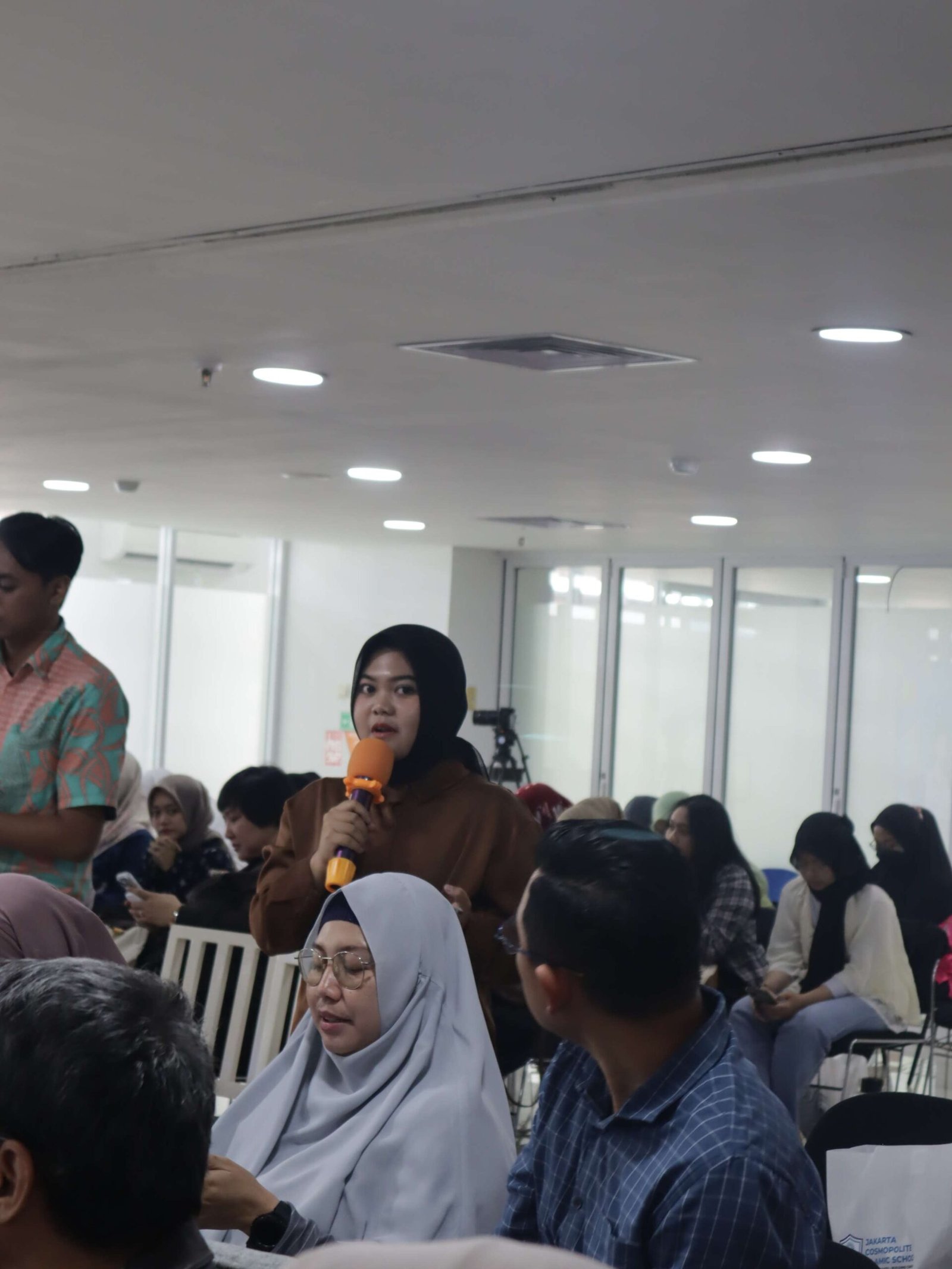
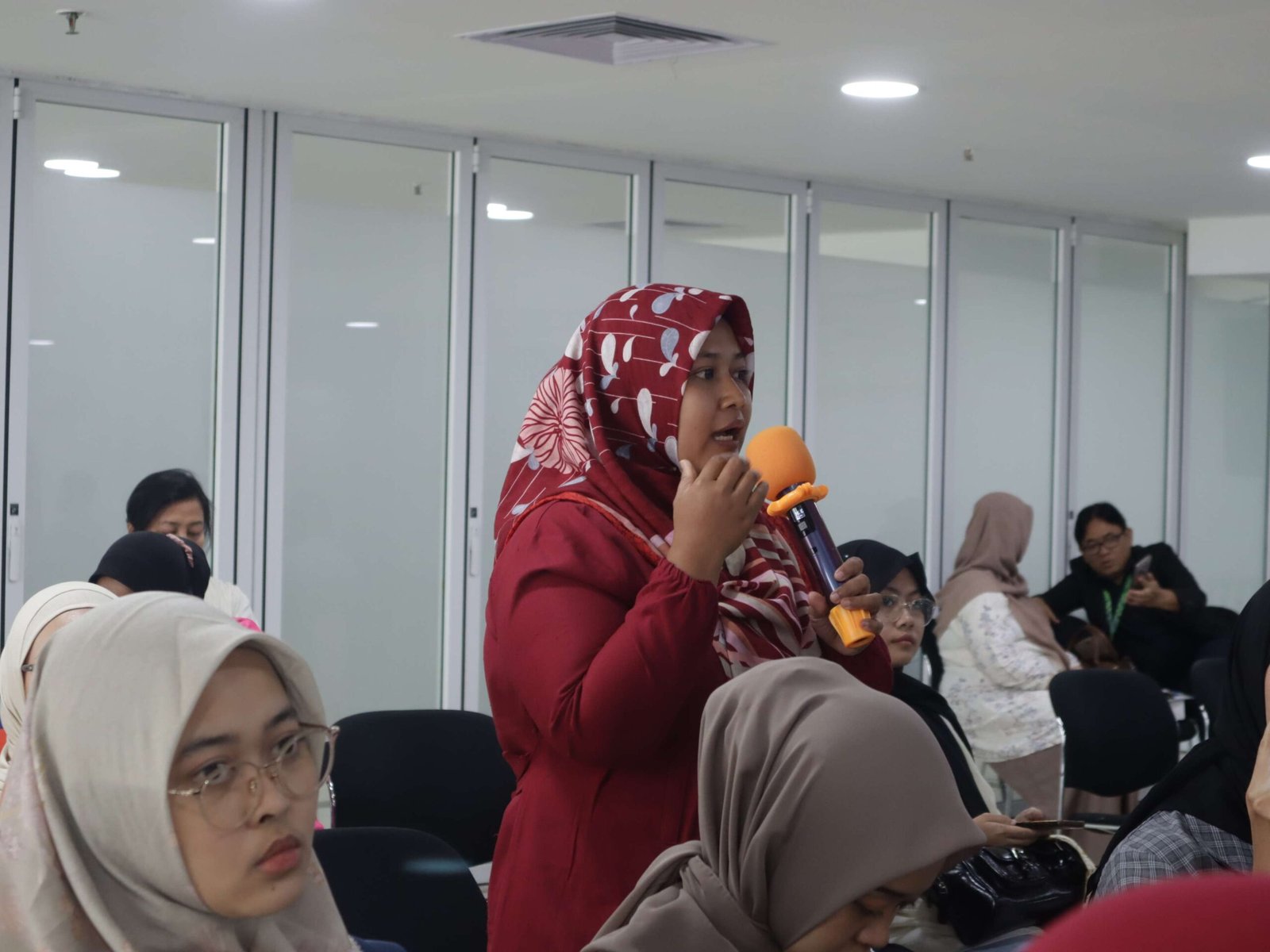
Sebagai platform dialog akademik, konferensi ini menekankan urgensi integrasi antara pendidikan karakter dan kemajuan sains dalam menghadapi dinamika global serta percepatan transformasi digital. Para akademisi, pendidik, dan mahasiswa berdiskusi mengenai model pendidikan yang tidak hanya responsif terhadap perkembangan teknologi, tetapi juga berakar kuat pada nilai-nilai moral dan etika.

Visi Pendiri: Membangun Generasi Berkarakter dan Berwawasan Global

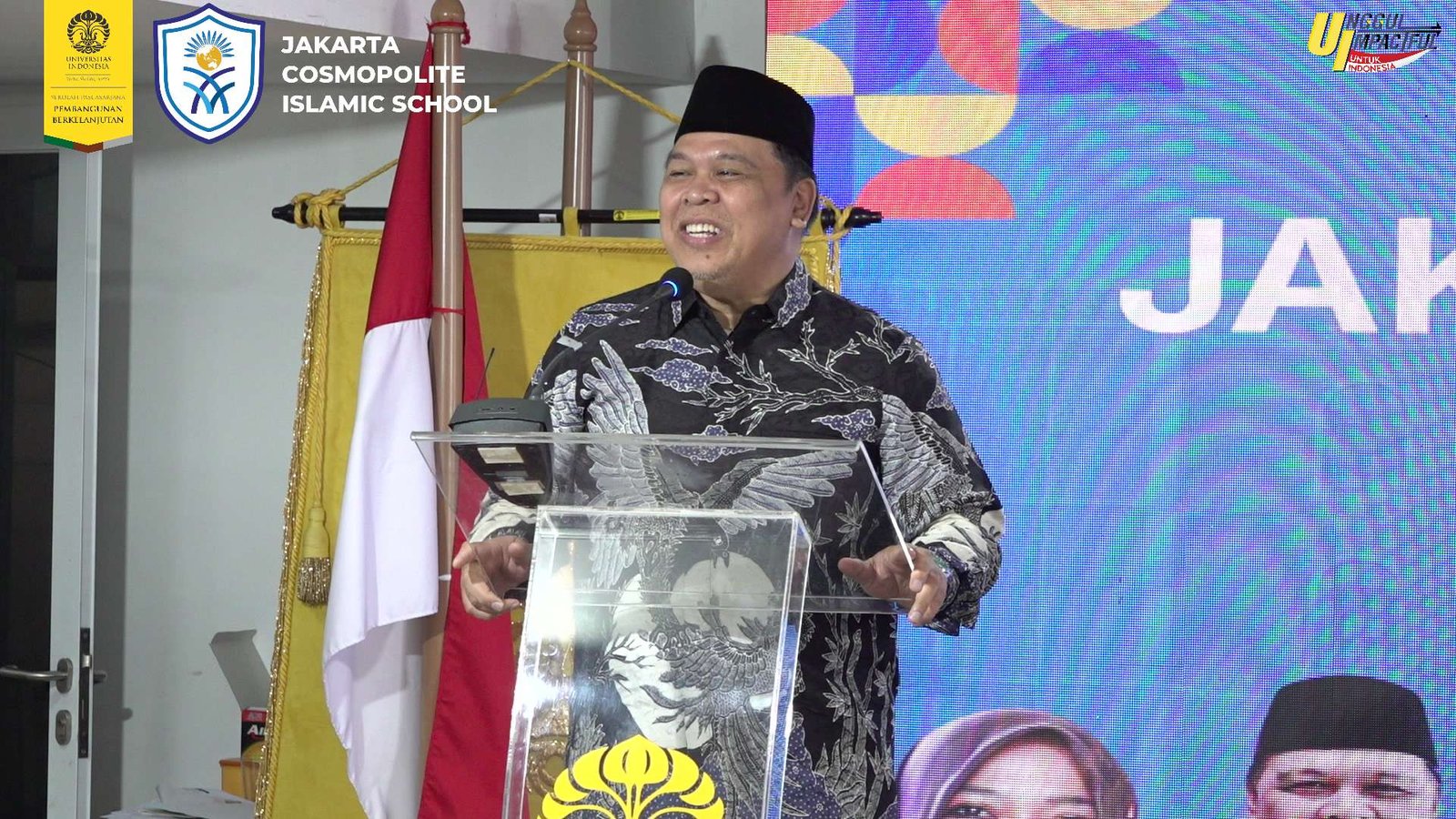
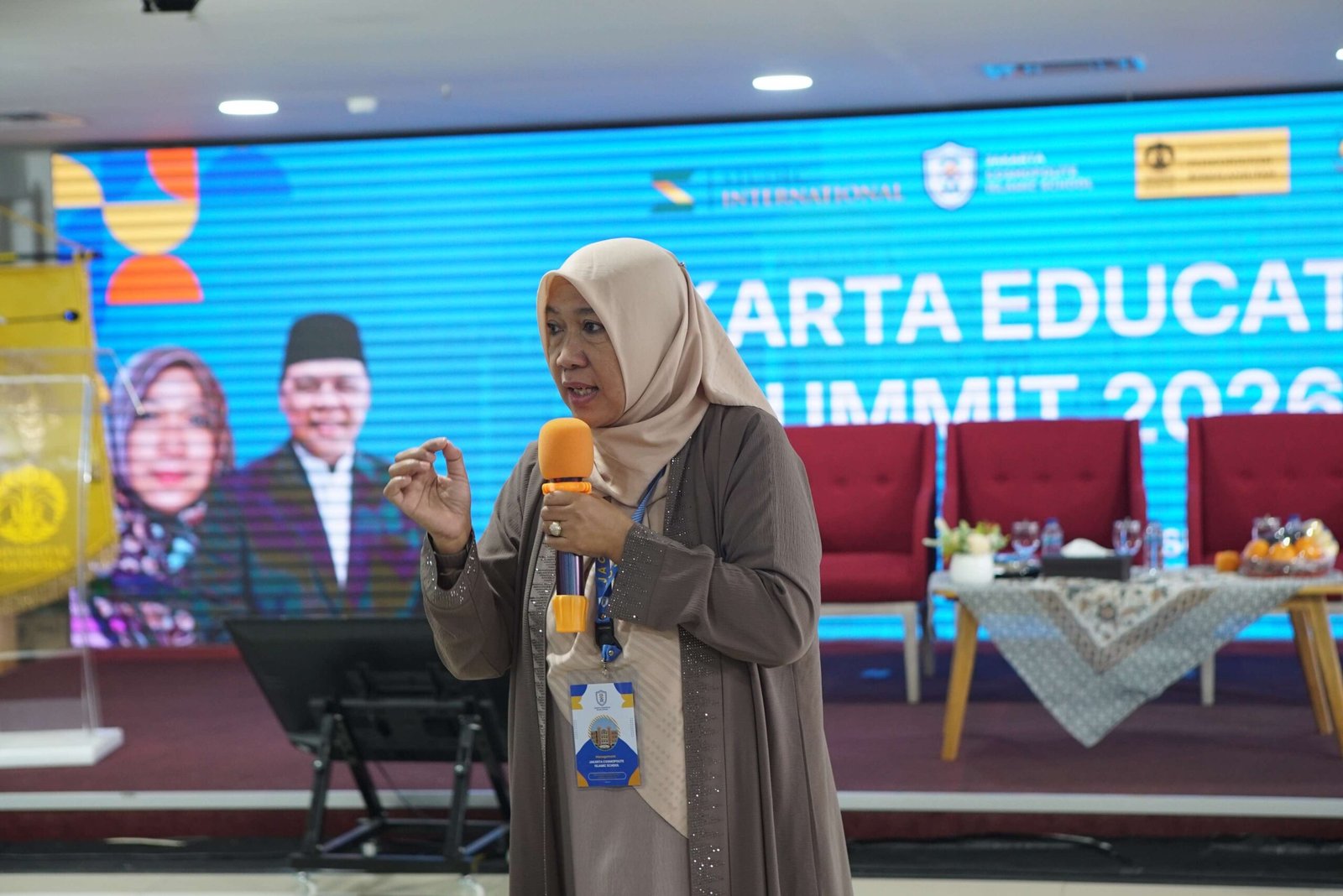
Pendiri Jakarta Cosmopolite Islamic School, Assoc. Prof. Dr. KH. Didi Supandi, M.Ag dan Hj. Ida Farida, SE., MM, turut hadir menyampaikan visi institusi yang mereka dirikan.

Menurut mereka, JACOS lahir sebagai ikhtiar menghadirkan pendidikan yang memadukan keunggulan akademik dengan pembentukan karakter yang kokoh serta perspektif global.

“Kami mendirikan sekolah ini sebagai ikhtiar untuk melahirkan generasi berkarakter mulia dan berwawasan global. Di tengah arus perubahan dunia yang begitu cepat, anak-anak perlu memiliki fondasi akhlak yang kuat agar mampu menjadi pemimpin yang membawa manfaat luas bagi masyarakat,” ujar KH.Didi.

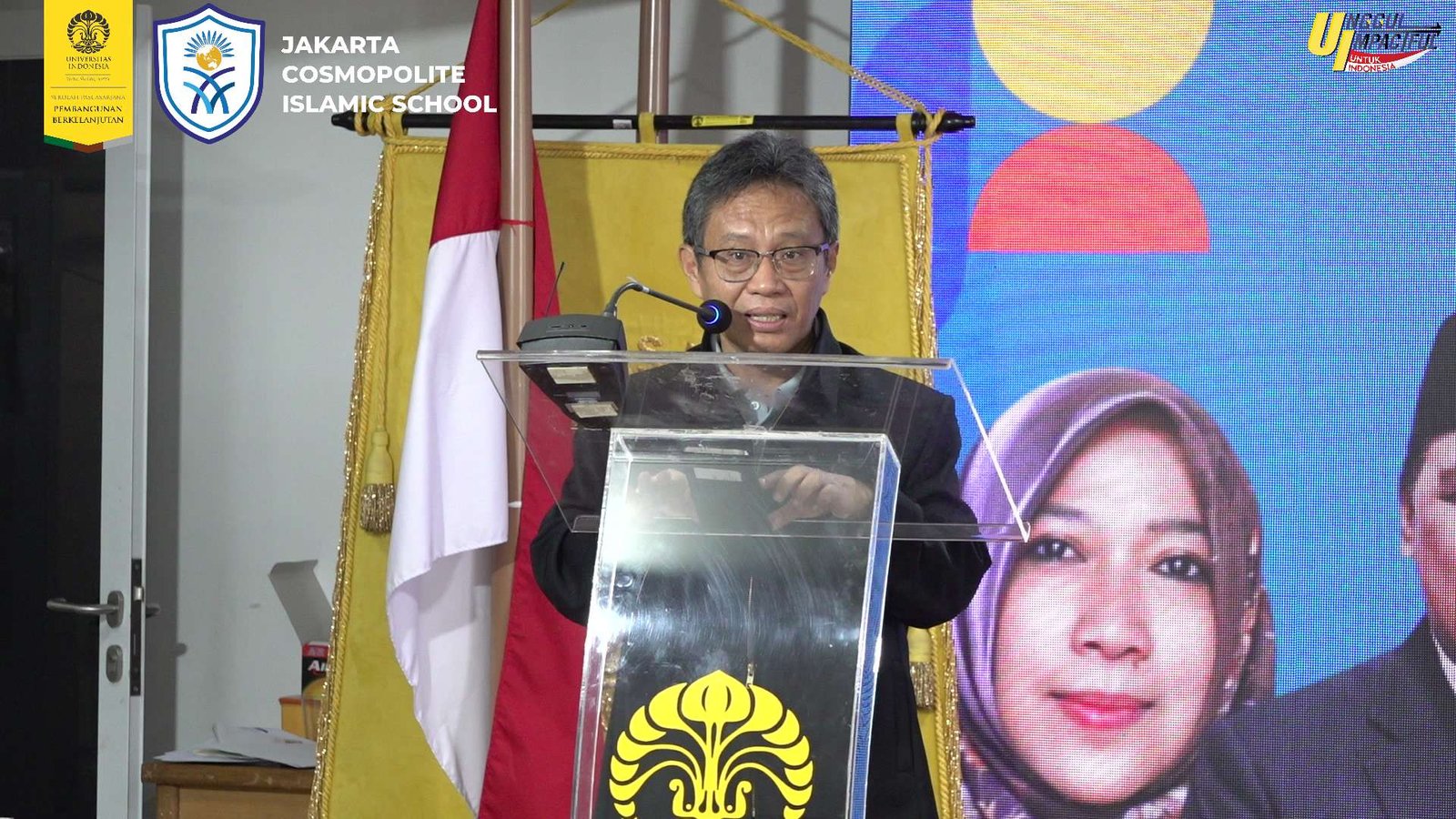
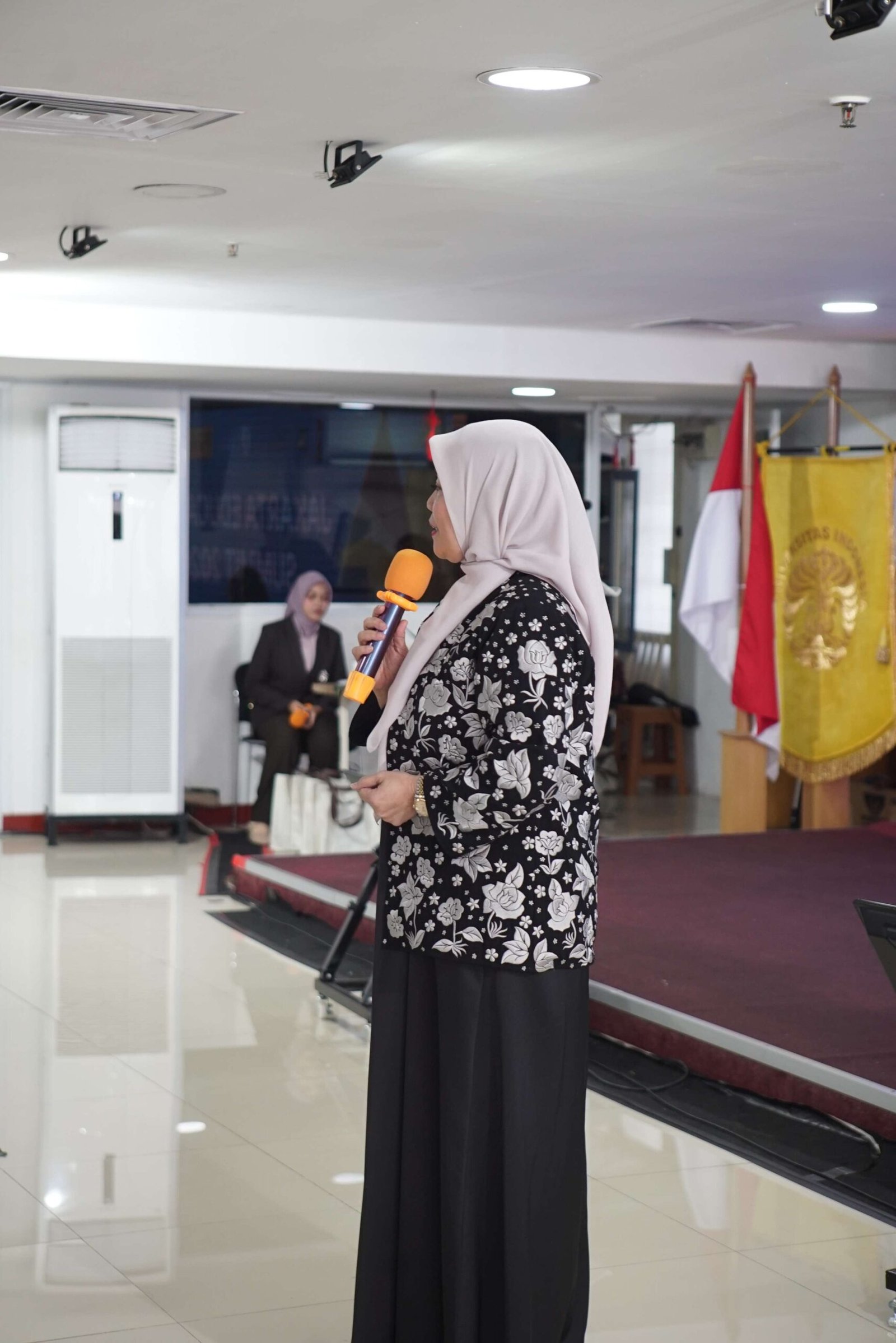
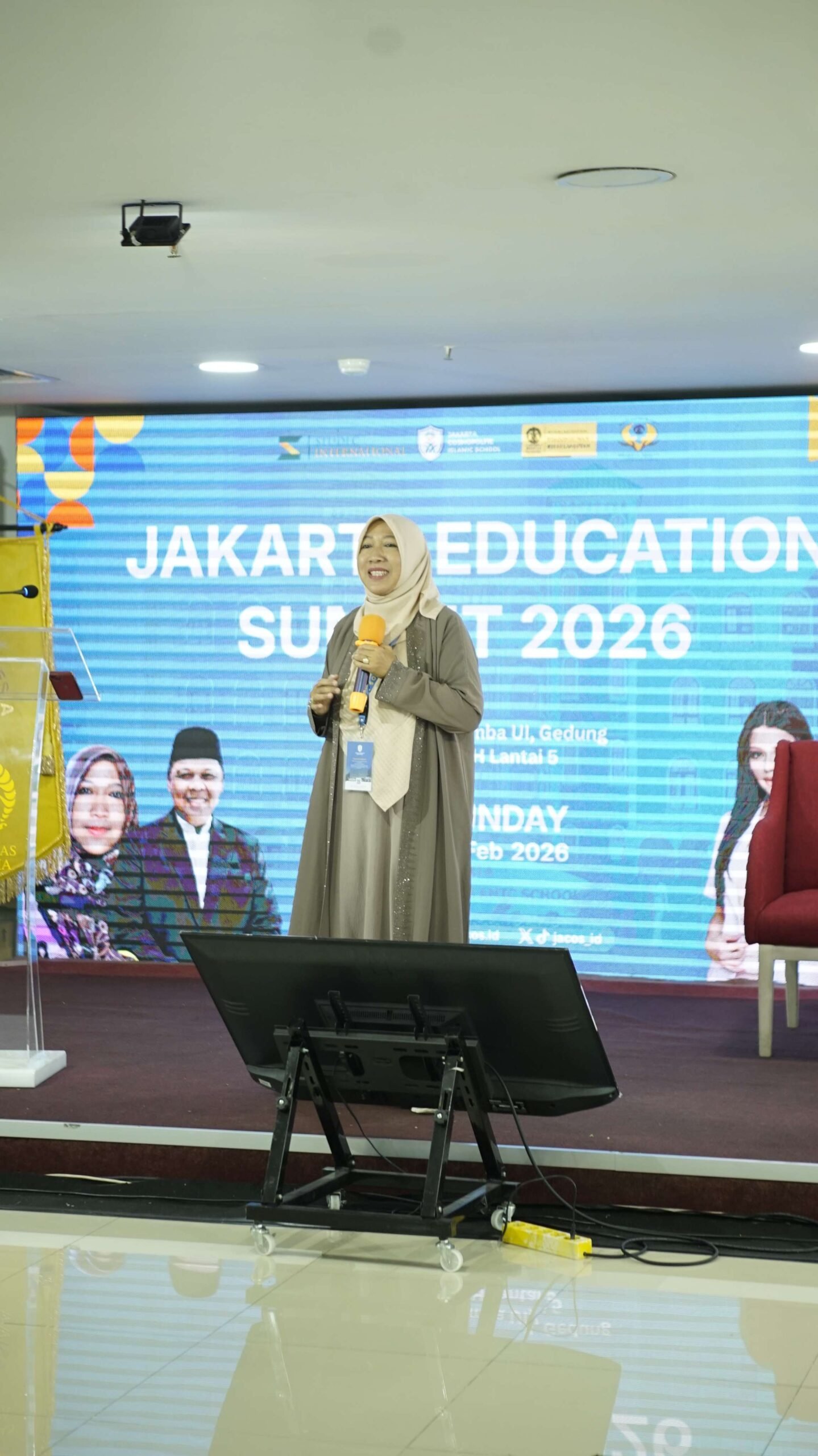
Senada dengan hal tersebut, Prof. Dr. Bethania Kartika, BA (Hons), MA menyoroti tantangan era digital yang menuntut ketahanan moral generasi muda. Ia menegaskan bahwa pendidikan karakter berbasis Al-Qur’an menjadi fondasi penting dalam membangun ketangguhan intelektual sekaligus spiritual.

“Perkembangan teknologi bergerak sangat cepat. Pendidikan karakter berbasis Al-Qur’an menjadi landasan utama agar anak-anak tumbuh dengan nilai yang kuat, mampu beradaptasi, dan tetap memiliki arah moral yang jelas,” jelasnya.

Pendidikan Holistik sebagai Arah Baru;

Salah satu momentum penting dalam forum ini adalah pengenalan resmi Jakarta Cosmopolite Islamic School sebagai institusi pendidikan baru yang berkomitmen mengembangkan model pendidikan holistik, mengintegrasikan karakter, sains, dan wawasan global dalam satu kerangka pembelajaran yang komprehensif.

Kehadiran JACOS menegaskan bahwa kemajuan bangsa tidak dapat dilepaskan dari fondasi etika, integritas, dan keunggulan intelektual yang berjalan beriringan.

Sinergi untuk Transformasi Pendidikan Nasional;

Selain membahas pembangunan berkelanjutan dan transformasi pendidikan di era digital, forum ini memperkuat gagasan bahwa kolaborasi antara universitas Sekolah Pascasarjana UI, IKA WKUI dan JACOS merupakan bukti nyata dalam membangun sistem pendidikan nasional yang unggul dan bermartabat.

Jakarta Education Summit 2026 diharapkan menjadi agenda tahunan yang konsisten mempererat kemitraan lintas institusi serta mendorong Indonesia menjadi rujukan global dalam pendidikan berbasis karakter dan sains.

Categories
Education

JACOS Resmi Diperkenalkan di UI, Siap Cetak Generasi Berkarakter Global

Jacos.id – Komitmen memperkuat posisi Indonesia sebagai pusat ilmu pengetahuan, pendidikan karakter, dan sains global ditegaskan dalam Jakarta Education Summit 2026 yang digelar pada 15 Februari 2026 di Kampus Universitas Indonesia (UI) Salemba.

Forum ini merupakan kolaborasi antara Ikatan Wanita Keluarga Sekolah Pascasarjana Pembangunan Berkelanjutan UI (IWK SPPB UI) dan Jakarta Cosmopolite Islamic School (JACOS).

Sinergi tersebut menjadi simbol kemitraan antara perguruan tinggi dan lembaga pendidikan dasar dalam merumuskan arah pendidikan nasional yang berkelanjutan.

Sebagai ruang dialog akademik, konferensi ini menekankan pentingnya integrasi pendidikan karakter dan kemajuan sains dalam menghadapi dinamika global serta percepatan transformasi digital.

Akademisi, pendidik, dan mahasiswa berdiskusi mengenai model pendidikan yang adaptif terhadap perkembangan teknologi, namun tetap berakar pada nilai moral dan etika.

Pendiri Jakarta Cosmopolite Islamic School, Assoc. Prof. Dr. KH. Didi Supandi, M.Ag dan Hj. Ida Farida, S.E., M.M., turut menyampaikan visi institusi yang mereka dirikan.

KH. Didi menegaskan, JACOS hadir sebagai ikhtiar menghadirkan pendidikan yang memadukan keunggulan akademik, pembentukan karakter, serta perspektif global.

“Kami mendirikan sekolah ini sebagai ikhtiar untuk melahirkan generasi berkarakter mulia dan berwawasan global. Di tengah arus perubahan dunia yang begitu cepat, anak-anak perlu memiliki fondasi akhlak yang kuat agar mampu menjadi pemimpin yang membawa manfaat luas bagi masyarakat,” ujarnya.

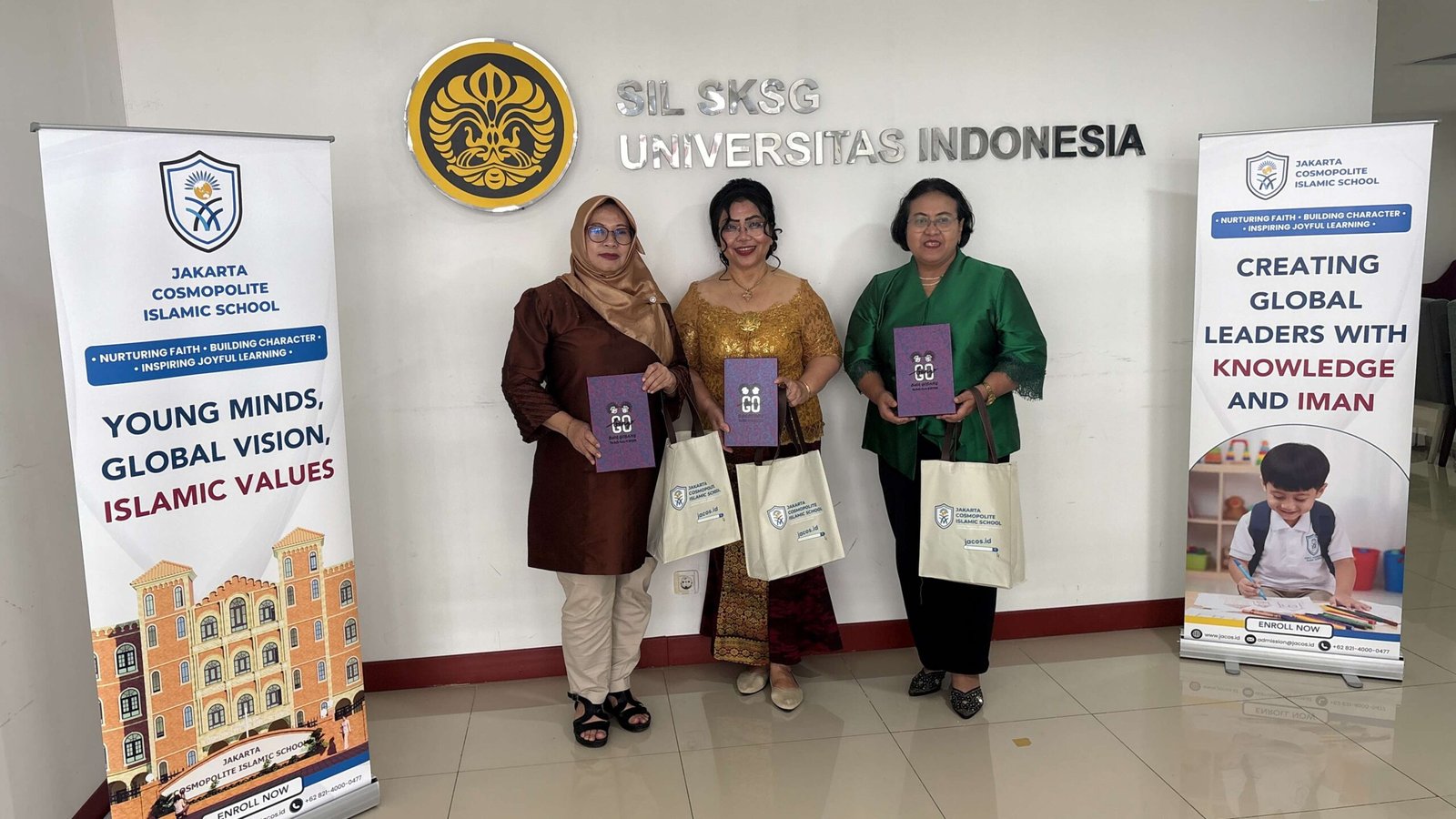
JACOS mengusung tagline “Nurturing Faith, Building Character, Inspiring Joyful Learning”, yang mencerminkan integrasi nilai akhlak, sains, dan pengalaman belajar yang menyenangkan dalam setiap proses pembelajaran.

Academic Director JACOS, Prof. Madya Dr. Betania Kartika, B.A. (Hons), M.A., menyoroti tantangan era digital yang menuntut ketahanan moral generasi muda. Ia menekankan pentingnya pendidikan karakter berbasis Al-Qur’an sebagai fondasi ketangguhan intelektual dan spiritual.

“Perkembangan teknologi bergerak sangat cepat. Dengan Iqra, pendidikan karakter berbasis Al-Qur’an menjadi landasan utama agar anak-anak tumbuh dengan nilai yang kuat, mampu beradaptasi, dan tetap memiliki arah moral yang jelas. Dengan fondasi Al-Qur’an, seluruh proses dan tujuan pendidikan diarahkan untuk Allah Yang Maha Menciptakan,” jelasnya.

Dalam forum tersebut, JACOS juga diperkenalkan sebagai institusi pendidikan baru yang berkomitmen mengembangkan model pendidikan holistik.

Model ini mengintegrasikan karakter, sains, dan wawasan global dalam satu kerangka pembelajaran yang komprehensif.

Kehadiran JACOS menegaskan bahwa kemajuan bangsa tidak dapat dilepaskan dari fondasi etika, integritas, dan keunggulan intelektual yang berjalan beriringan.

Model ini mengintegrasikan karakter, sains, dan wawasan global dalam satu kerangka pembelajaran yang komprehensif.

Kehadiran JACOS menegaskan bahwa kemajuan bangsa tidak dapat dilepaskan dari fondasi etika, integritas, dan keunggulan intelektual yang berjalan beriringan.

Categories
Uncategorized

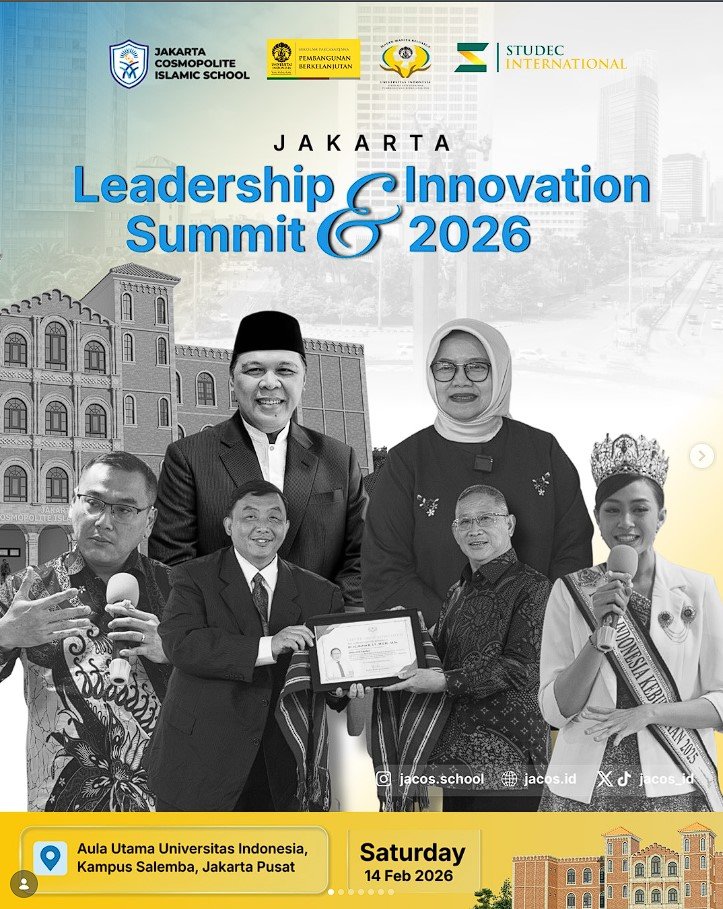
Jakarta Leadership Summit & Innovation 2026

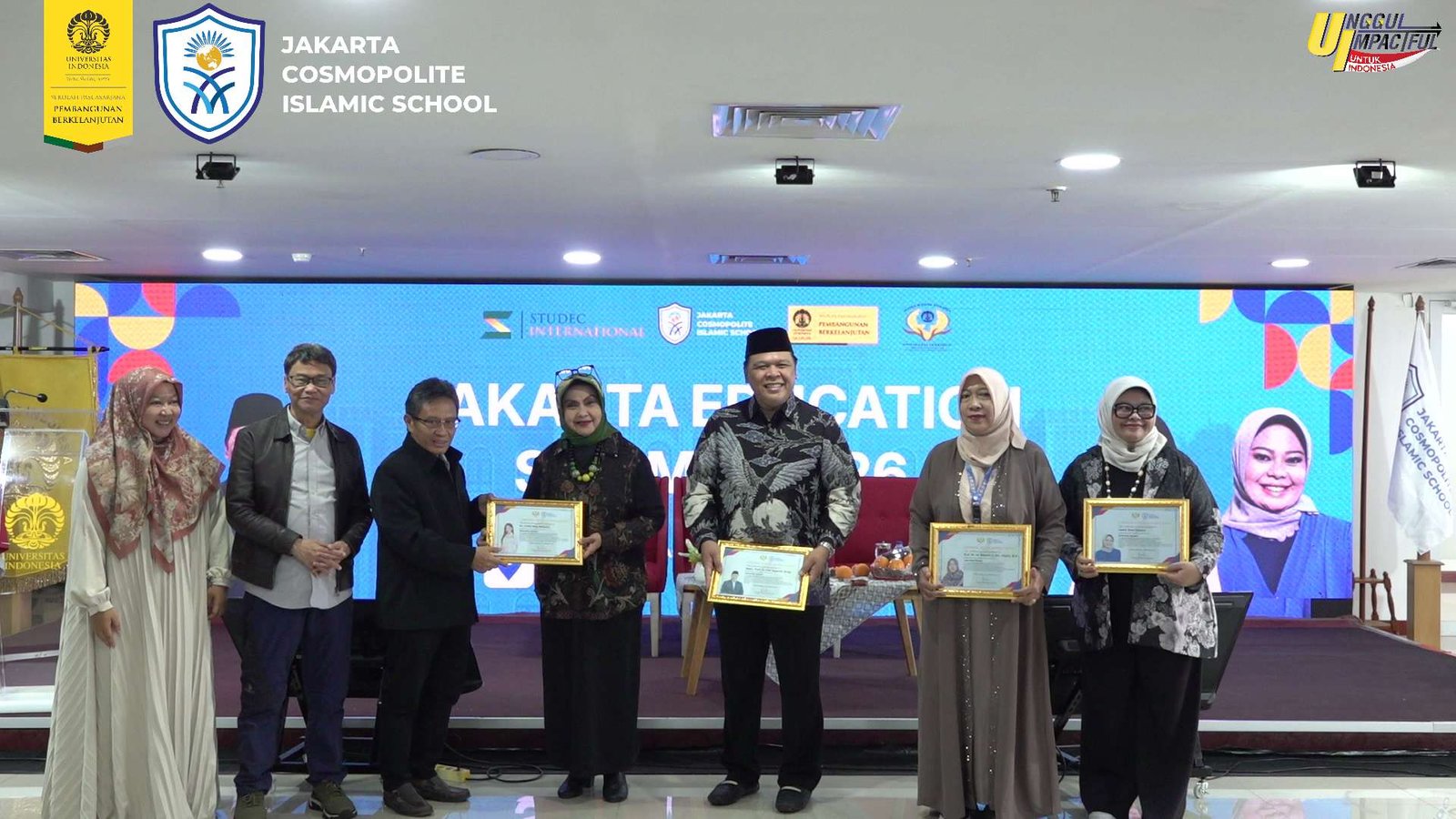
Proud to see JACOS represented by our founder, Assoc. Prof. Dr. K.H. Didi Supandi, Lc., M.A. at the Jakarta Leadership & Innovation Summit 2026, hosted by IWK SPPB Universitas Indonesia.

Standing alongside a chorus of visionaries shaping Indonesia’s future:
Rafael Antonius, S.E., M.M.
Dr.(c) Bahar Buasan, S.T., M.S.M., M.Sc.
Prof. Popy Rufaidah, S.E., MBA., Ph.D.
Syafira Mardiah, S.Tr.Kom.
Prof. Roy Darmawan, S.E., M.Psi.

JACOS is more than a school we are cultivating the leaders, thinkers, and innovators of tomorrow. Together, we turn classroom learnings into nationwide impact.

Categories
Education

Survey of Teachers in Pre-Primary Education

The Survey of Teachers in Pre-Primary Education (STEPP) is the first international survey for low-and-middle-income countries designed to collect information that is known to affect the quality of pre-primary education from pre-primary teachers and centre heads. The collected information concerns training and professional development, pedagogical and professional practices, working conditions and job satisfaction, and characteristics of pre-primary personnel and the settings in which they work.[1]

The survey offers a valuable opportunity for teachers and centre heads to share views about their practice and needs. It seeks to identify strengths and opportunities for improvement as well as commonalities and differences across participating countries, which will inform policy discussions and development of measures on how to strengthen the quality of pre-primary teachers’ work. Launched in 2016, STEPP is an OECDUNESCO Joint Initiative in support of the implementation of Sustainable Development Goal (SDG) target 4.2 on early childhood care and education (ECCE).[1]

First phase of the Survey

The first phase of the Survey of Teachers in Pre-primary Education (STEPP) project was implemented by the organization UNESCO from 2016 to 2019, with the participation of seven countries: Dominican RepublicGhanaIndonesiaNamibia, the PhilippinesTogo, and Viet Nam. This phase consisted of instrument development, carried out in several steps, including the pilot study and field trial operations.[1]

STEPP instrumentation consists of three types of paper-based questionnaires: (1) a pre-primary staff questionnaire, (2) a questionnaire for the heads of pre-primary education centres, and (3) a combined questionnaire, used in small pre-primary education centres, and responded to by pre-primary personnel having a combined head-staff role comprising administrative, managerial and pedagogical responsibilities.[1]

Addressing the evidence gap

To effectively support teachers’ capacity enhancement, professionalization, and motivation, evidence-informed policy interventions are needed. However, there is limited information available on the training and working conditions as well as practices and needs of early childhood teachers, particularly in low-and-middle-income countries.[2][3] When available, the data is more often system-level/structural information (e.g. number of teachers, teacher-child ratio, teacher qualification) than personnel-level, qualitative information (e.g. what teachers do, how they work, how they interact with children, what challenges they experience in ensuring good quality care and education).

To tackle this evidence gap, the organization UNESCO launched in 2016 the development of this international Survey of Teachers in Pre-primary Education, in cooperation with the OECD and other partners. The survey aims to generate comparative, policy-relevant data and information on four interrelated themes that affect the quality of teaching and learning in early childhood care and education:

  • Training and professional development
  • Pedagogical and professional practices
  • Working conditions and job satisfaction
  • Characteristics of personnel and the settings in which they work[1]

The survey will also give an opportunity for ECCE personnel to share perceptions and insights about their work, needs, and challenges.

Categories
Education

Boundless Learning in an Early Childhood Center in Shenzen, China

This week, Thomas Hatch  shares pictures and reflections from a recent visit to the Shenzen Education Kindergarten, a public early childhood center in ChinaThis post is the fourth in a series on early childhood education that includes an article describing what Hatch learned about the Sunshine Kindergartens in rural China as well as articles describing approaches to early childhood education in Norway and India.

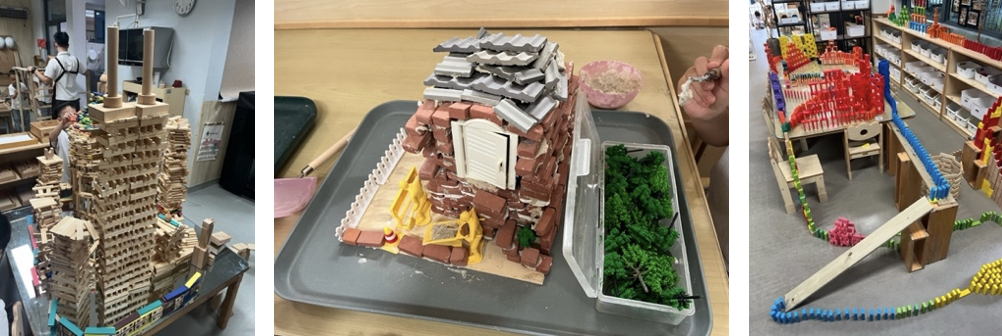
Last month, in a public kindergarten in Shenzen China, I saw what learning looks like when 300 4-, 5-, and 6-year-olds work on their own and together in over 100 different activities in 20 indoor and outdoor play spaces spread over 3 floors in two buildings.

When I walked into the first classroom, a six foot tall tower of blocks greeted me at the door. Spread out beyond that tower, I could see a series of different construction centers the children could work in, each one equipped with metal, wood, Legos, cardboard, bricks, tiles, or another kind of building material.

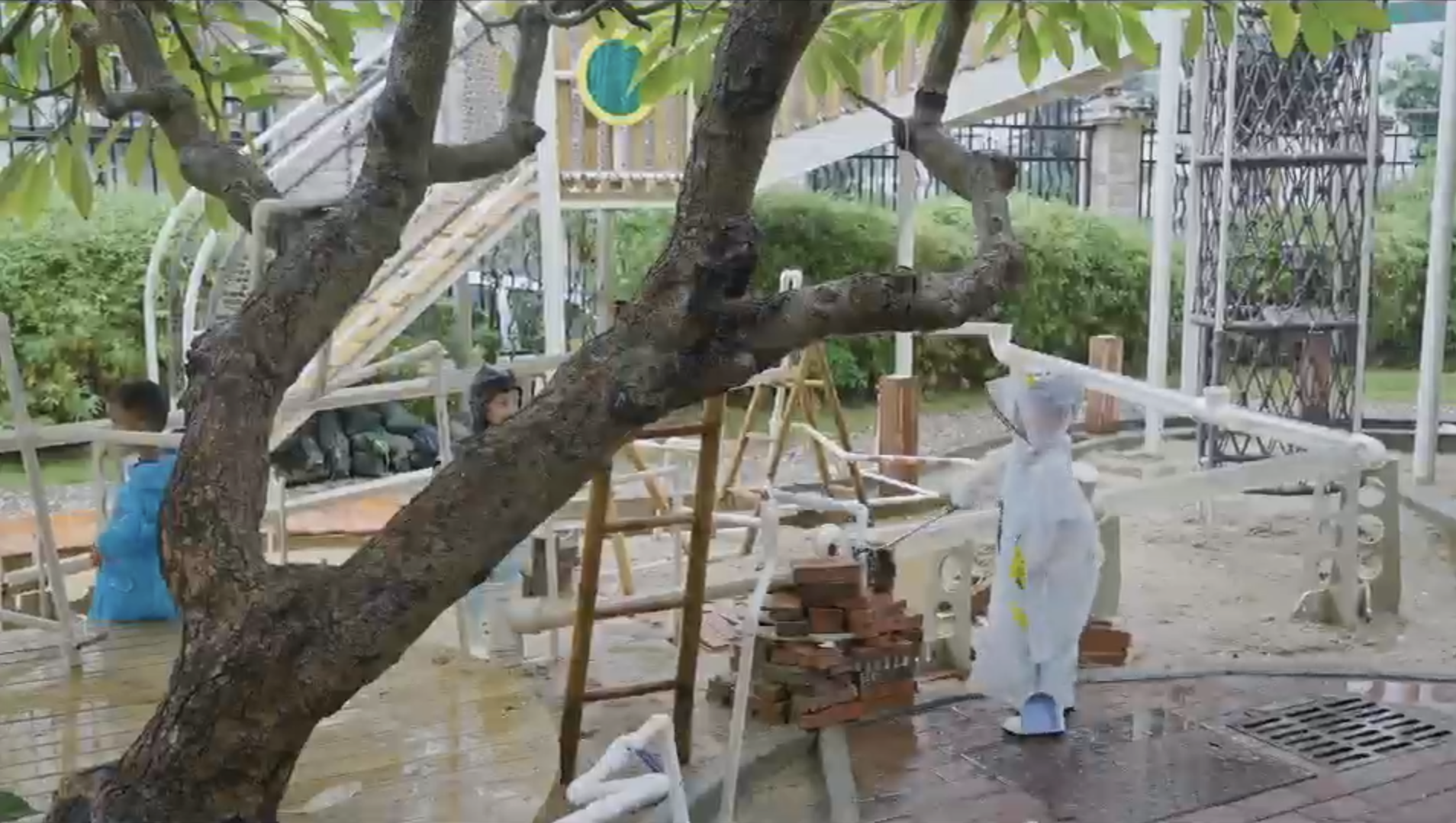
The construction areas continued past an open wall where children in clear plastic slickers pumped water through a series of pipes in the rain.

That one vast room could have housed three or four of the kindergarten classrooms where I used to work, thirty years ago, in Somerville, Massachusetts. At the time, I was studying how the strengths and interests of four 6-year olds evolved over six months during free play. With Howard Gardner and my colleagues at Project Zero, we sought to equip classrooms with a number of different activities that would enable young children to develop a much wider range of abilities than they normally encountered in school.

Categories
Education

Early childhood care and education

The period from birth to eight years old is one of remarkable brain development for children and represents a crucial window of opportunity for education. UNESCO believes early childhood care and education (ECCE) that is truly inclusive is much more than just preparation for primary school. It can be the foundation for emotional wellbeing and learning throughout life and one of the best investments a country can make as it promotes holistic development, gender equality and social cohesion. 

Why is early childhood care and education so important?

Early childhood care and education (ECCE), covering the period from birth to 8 years old, is crucial because it leverages a time of significant brain development in children. Quality ECCE can set the foundation for good health, nutrition, learning success, social-emotional development, and economic productivity throughout life. 

Despite these benefits, ECCE often receives low priority in education policies and investment and may exclude marginalized groups. Much of ECCE is privately provided, adding to its vulnerability. Extending education rights to include early childhood care can significantly impact developmental outcomes for children. Evidence suggests that legal provisions for compulsory pre-primary education can boost early development. 

However, there’s no international framework that currently enshrines these rights, which limits global progress. Quality improvement in ECCE can be driven by better training for caregivers, more robust community engagement, and improved infrastructure, such as better water and sanitation services in early learning settings. Additionally, extending family-friendly policies like parental leave and childcare benefits can significantly enhance early learning environments.

What is the global situation for ECCE?

Meeting SDG 4, which aims for inclusive and quality education for all, requires integrating ECCE. The Transforming Education Summit highlighted this integration to address the equity and relevance crises in education. Significant challenges include fragmented ECCE policies and services, insufficient funding, and a lack of comprehensive data. 

Extending the right to education to include ECCE could greatly enhance early learning, yet no international legal framework currently ensures this right. Addressing these issues is critical for supporting foundational learning and ensuring equitable access to quality early education, essential for preparing children for primary education and beyond. This effort aligns with the objectives of the Tashkent Declaration to transform and improve global ECCE practices.

Disparities and Financing in ECCE

Disparities in child development begin early and are pronounced among disadvantaged groups. Approximately 30% of children worldwide are not on track developmentally, with those from poorer households and rural areas facing significant challenges. In contrast, 78% of children in wealthier households are developmentally on track compared to only 55% in the poorest ones. These children often lack access to early stimulation and educational resources, with only a fraction having books or playthings at home. ECCE is crucial for developing foundational skills necessary for lifelong learning. 

However, it faces significant challenges including underfunding, lack of cohesive policies, and insufficient data. There is a pressing need to improve access and quality of ECCE to ensure that children are ready for primary education by 2030. Despite calls for increased funding, actual investment in ECCE remains low, with global median spending on pre-primary education at just 0.4% of GDP. Closing this financing gap is critical, especially considering that the required investment to meet pre-primary education goals by 2030 is estimated at USD 354 billion for low and middle-income countries.

What is the basis for UNESCO’s approach to this work? 

UNESCO regards ECCE as a fundamental and integral part of the education system and a solid foundation on which to build lifelong education, lives, and careers. All of its work in this area is aligned with target 4.2 of Sustainable Development Goal 4, which aims to ‘By 2030, ensure that all girls and boys have access to quality early childhood development, care and pre-primary education so that they are ready for primary education.’ To further advance this target, UNESCO established a Global Partnership Strategy to bridge the gap and ensure that quality ECCE, early primary school years, and family education are available for all children. 

UNESCO’s work is based on the idea that ‘Learning begins at birth,’ introduced in the World Declaration on Education for All Jomtien declaration. As inscribed in the Convention on the Rights of the Child (1989), young children have the right not only to survive but to thrive and develop to their fullest potential. In 2000 the international community at the World Education Forum (Dakar 2000) committed itself to ‘expanding and improving comprehensive early childhood care and education, especially for the most vulnerable and disadvantaged children.’ Ten years later, UNESCO’s World Conference on Early Childhood Care and Education (Moscow 2010) warned that the EFA Goal on ECCE was ‘at great risk of not being achieved by 2015 unless urgent and resolute action is taken’ and highlighted ECCE as a social, human, and economic development imperative. 

With only six years left to achieve Sustainable Development Goal 4 (SDG 4) on inclusive and quality education, the world remains significantly off-track. Millions of children are falling behind in their developmental milestones and many lack access to pre-school education, putting their future learning opportunities at risk. Addressing these educational deficits is crucial to ensuring that every child has the opportunity to thrive and succeed. 

A significant step forward to addressing these needs was taken with the adoption of The Tashkent Declaration for Early Childhood Care and Education, the outcome of the World Conference on Early Childhood Care and Education (WCECCE), held in November 2022. As the first high-level intergovernmental event in the field of education to be organized after the Transforming Education Summit (TES), the conference served as a platform for diverse stakeholders to discuss experiences, challenges, practices and innovations. UNESCO’s member states have pledged to invest at least 10% of their total education spending on pre-primary education. The discussion focused on achieving SDG target 4.2. The conference propelled efforts to nurture foundational skills for socialization, well-being, and lifelong learning, recognizing that inequalities in learning and development start early in life. 

To further support these goals, one of the commitments of the Tashkent Declaration is the first Global Report on Early Childhood Care and Education, jointly prepared by UNESCO and UNICEF, with the support of GPE, ILO, OECD, WHO, and The LEGO Foundation. Building on new findings on the key issues facing ECCE, the report provides recommendations to governments and the international community to promote an integrated ECCE ecosystem that better supports children and families.

How does UNESCO work to promote ECCE? 

UNESCO collaborates with governments and other key stakeholders concerned with the care and education of young children from birth until primary school entry. Its ECCE activities focus on promoting holistic and quality pre-primary education for all children over the age of 3, ensuring the use of developmentally appropriate pedagogies and emphasizing the links with primary education as well as early childhood health, nutrition and social services.  

Concretely it works with Member States at national, regional and international levels by influencing policies and practices through evidence-based advocacy, knowledge generation and sharing, partnership-building, capacity-building and technical assistance. These include work in teacher development through projects like STEPP (The Survey of Teachers in Pre-Primary Education), parenting education and family literacy, and measurement and monitoring. 

UNESCO promotes the integration of an ECCE component in countries’ education sector plans to address the needs of different age groups and includes the marginalized. Partnerships that involve working with health, nutrition and social sectors as well as civil society and private sector actors help widen the reach to children.  

UNESCO regards ECCE as a fundamental part of the education system and a solid foundation for building lifelong education, lives, and careers. Its work in this area aligns with SDG target 4.2, which aims to ensure that all children have access to quality early childhood development, care, and pre-primary education by 2030. UNESCO promotes the integration of ECCE in countries’ education sector plans, addressing the needs of various age groups, including marginalized populations.

Key recommendations to ensure a robust foundation for children’s rights in ECCE include promoting ECCE for school readiness, prioritizing vulnerable children, supporting parents and caregivers, valuing ECCE personnel, investing in data, leveraging research, increasing investments by governments, enhancing international efforts and partnerships, and expanding the right to education through a legally binding international framework. By implementing these recommendations, stakeholders can address the comprehensive needs of young children globally, setting a foundation for better educational outcomes and lifelong benefits.
What are the recommendations highlighted in the global report on ECCE?
  • Promote ECCE for school readiness: Countries must develop early learning opportunities that include a strong focus on foundational skills such as emerging literacy, numeracy, and social-emotional skills to better support educational outcomes.
  • Prioritize Vulnerable Children: Extend access to quality early childhood care and education, particularly to the most vulnerable and disadvantaged.
  • Support Parents and Caregivers: Governments must take a whole of-society approach and include parental support programmes and family-friendly policies to improve children’s early learning experiences.
  • Value ECCE Personnel: Governments must invest more in recruiting and training ECCE personnel to have the skillsets for creating safe, healthy, and stimulating early learning environments.
  • Invest in Data: The international community must develop new indicators and mechanisms to better support and monitor the development of the ECCE sector, particularly for children younger than 3.
  • Leverage Research: Governments must adopt a multidisciplinary and scientific understanding of learning and development to improve the relevance and quality of ECCE curriculum and pedagogy.
  • Increase Investments by Goverments: Governments are called on to allocate at least 10% of national education budgets to pre-primary education.
  • Enhance International Efforts and Partnership: The international community must establish a global initiative or alliance to better work together for children from (before) birth to 8 years. Leverage ECCE through the Global Partnership Strategy (GPS).
  • Expand the right to education: The creation of a legally binding international framework establishing the right to ECCE is needed to articulate states’ obligations, promote accountability and monitoring, as well as ensure minimum resource allocation for ECCE. By implementing these recommendations, stakeholders can effectively address the comprehensive needs of young children globally, setting a foundation for better educational outcomes and lifelong benefits.
Categories
Education Technology

How Finland is preparing its citizens for a world swamped by fake news

Finland has been ranked a world leader in media literacy for years. Children as young as kindergarten age are being taught to handle the disinformation they will encounter online. We talked to Kari Kivinen, the European Union Intellectual Property Office’s (EUIPO) education outreach expert. A former headmaster in Helsinki, he has contributed to shaping Finland’s media literacy education.

Experts worldwide have been calling for better media literacy to counter the spread of fake news. But while little has been done in many countries, Finland has actually taken action: In 2014, media literacy became part of the national curriculum for pupils of all ages. How were you able to take such decisive action?

It has to do with the Finnish education system, which is unique in many ways. We swim against the current global tide in education, which involves focusing on core subjects, competition and control. We place greater emphasis on general competencies than on testable knowledge. These competencies are outlined in the national core curriculum, which is regularly updated.

Finnish students’ performance has consistently scored higher than the OECD average and the socio-economic gap is narrower. Can you tell me more about the Finnish education system?

Every child in Finland has the right to free, quality education, regardless of where they live. We have a unified comprehensive school system to ensure that every child receives the same education and opportunities, the idea being for there to be no barriers: pupils receive free meals, books and transport. Teaching is a very popular profession, so universities are really free to pick the best candidates to train for this career. There is also a great deal of trust in schools, with heads and teachers themselves monitoring the quality of education rather than bringing in external inspectors to do so. I’ve been a head teacher in Finland myself and we take this side of the job very seriously.

What happened in 2014?

The new National Core Curriculum was introduced and multiliteracy became one of what we call “transversal education areas”. This means that every teacher, whether they teach PE, English or maths, is required to promote multiliteracy in all age groups. 

Multiliteracy is defined as the ability to obtain, process and verify information. Why is this such a high priority?

In Finland, media and information literacy is considered a basic civic competence for democracy. It is promoted not only by schools, but also by libraries, NGOs and lifelong-learning institutions. And we foster this skill from an early age, as even most pre-school children have already been exposed to digital media: They have seen films and advertisements, listened to music, and some have played computer games. We want to show them how to use digital media devices in a balanced and civilised way. 

Categories
Education

Why early childhood care and education matters

The right to education begins at birth.

But new UNESCO data shows that 1 out of 4 children aged 5 have never had any form of pre-primary education. This represents 35 million out of 137 million 5-year-old children worldwide. Despite research that proves the benefits of early childhood care and education (ECCE), only half of all countries guarantee free pre-primary education around the world.

UNESCO’s World Conference on Early Childhood Care and Education taking place in Tashkent, Uzbekistan on 14-16 November 2022 will reaffirm every young child’s right to quality care and education, and call for increased investment in children during the period from birth to eight years.  

Here’s what you need to know what early childhood care and education.

Why is early childhood care and education important?

The period from birth to eight years old is one of remarkable brain development for children and represents a crucial window of opportunity for education. When children are healthy, safe and learning well in their early years, they are better able to reach their full developmental potential as adults and participate effectively in economic, social, and civic life. Providing ECCE is regarded as a means of promoting equity and social justice, inclusive economic growth and advancing sustainable development.

A range of research and evidence has converged to support this claim. First, neuroscience has shown that the environment affects the nature of brain architecture – the child’s early experiences can provide either a strong or a fragile foundation for later learning, development and behaviours. Second, the larger economic returns on investment in prior-to-school programmes than in programmes for adolescents and adults has been demonstrated. Third, educational sciences have revealed that participation in early childhood care and education programmes boosts children’s school readiness and reduces the gap between socially advantaged and disadvantaged children at the starting gate of school.

From a human rights perspective, expanding quality early learning is an important means for realizing the right to education within a lifelong learning perspective. ECCE provides a significant preparation to basic education and a lifelong learning journey. In 2021, only 22% of United Nations Member States have made pre-primary education compulsory, and only 45% provide at least one year of free pre-primary education. Only 46 countries have adopted free and compulsory pre-primary education in their laws.

How has access to ECCE evolved?

Overall, there has been significant global progress in achieving inclusive and high-quality ECCE. Globally, the ratio for pre-primary education has increased from 46% in 2010 to 61% in 2020. The global ratio for participation in organized learning one year before the official primary school entry age also increased to reach 75% in 2020. However, in low- and lower-middle-income countries, fewer than two in three children attend organized learning one year before the official primary entry age.  Furthermore, the proportion of children receiving a positive and stimulating home environment remains significantly low with only 64% of children having positive and nurturing home environments. Great regional disparities remain the biggest challenges. In sub-Saharan Africa, only 40% of children have experienced a positive and stimulating home learning environment compared to 90% of children in Europe and Northern America.
How has the COVID-19 pandemic impacted ECCE?

The COVID-19 pandemic has had devastating effect on ECCE and amplified its crisis. Young children have been deemed the greatest victims of the pandemic, experiencing the impact of on their immediate families, and because of stay-at-home orders of lockdowns, having been deprived of essential services to promote their health, learning and psychosocial well-being. Some children will start basic education without organized learning experiences to the detriment of their readiness for school. It was estimated that the closure of ECCE services has resulted in 19 billion person-days of ECCE instruction lost with 10.75 million children not being able to reach their developmental potential in the first 11 months of the pandemic.

What are the consequences on foundational learning?

ECCE is a pre-requisite for meeting the right to learn and to develop. In particular, access to pre-primary education is a basis for acquiring foundational learning including literacy, numeracy and socio-emotional learning. Yet, according to the recent estimate, about 64% of children in low- and middle-income countries cannot read and understand a simple story at age 10. The roots of this learning poverty start in ECCE and its lack of capacity to make children ready for school.

What is the situation regarding ECCE teachers and care staff?

As the calls grow for higher quality ECCE provision, teacher shortages and quality has received increasing attention. The number of teachers who received at least the minimum pedagogical teacher training, both pre-service and in-service, increased from 68% to 80% between 2010 and 2020. It is estimated that ECCE services need another 9.3 million full-time teachers to achieve the SDG target. Most Member States have established qualification requirements for ECCE teachers, while far less attention has been focused on ECCE teachers’ working conditions and career progression. The low social status, poor salaries and job insecurity of ECCE teachers and care staff tend to have an adverse impact on attracting and retaining suitably qualified early childhood educators.

What are the policies, governance and financing implications?

It is time for societies and governments to implement relevant policies to recover and transform their ECCE systems. ECCE is seen by many countries as a key part of the solution to a myriad of challenges including social inclusion and cohesion, economic growth and to tackle other sustainable development challenges. According to the 2022 Global Education Monitoring Report, 150 out of 209 countries have set targets for pre-primary education participation by 2025 or 2030. The proportion of countries that monitor participation rates in pre-primary education is expected to increase from 75% in 2015 to 92% in 2025 and 95% in 2030. It is expected that the pre-primary participation rate for all regions will exceed 90% by 2030. In Central and South Asia, East and South-East Asia, and Latin America and the Caribbean, participation rates are expected to be nearly 100%. At the same time, it is projected that participation rates in Northern Africa and Western Asia will be about 77% by 2030.

What are the obstacles to ensuring access to quality ECCE?

  • Policy fragmentation: In many countries, ECCE policies and services are fragmented and do not leverage whole-of-government and whole-of-society approaches to addressing the holistic needs and rights of families and their young children. This is particularly challenging for national governments with limited resources, low institutional capacities and weak governance.
  • Lack of public provision: Non-state provision of ECCE continues to grow in many contexts, and the role of non-state actors in influencing policy development and implementation is evident. Non-state actors provide a large proportion of places in pre-primary education. In 2000, 28.5% of pre-primary aged children were enrolled in private institutions, and this rose to 37% in 2019, a figure higher than for primary (19%) or secondary (27%) education.
  • Insufficient regulation of the sector: Specific regulations and standards for ECCE are not in place in most countries. Regulations usually do not establish quality assurance mechanisms and those that do, tend not to focus on outcomes.
  • Chronic underfunding: An average of 6.6% of education budgets at national and subnational levels were allocated to pre-primary education. Low-income countries, on average, invest 2% of education budgets in pre-primary education, which is far below the target of 10% by 2030 suggested by UNICEF. In terms of international aid, pre-primary education remains the least funded sector.

What are the solutions?

Political will and ownership are key to transforming ECCE. UNESCO’s review highlights progress in some countries, giving an indication of what is required to successfully strengthen the capacity of ECCE systems:

  • Expanding and diversifying access: Increasing investment and establishing a legal framework to expand ECCE services are essential steps. Innovative ECCE delivery mechanisms such as mobile kindergartens with teachers, equipment for learning and play, have been deployed in some countries to reach remote areas and provide children with pre-primary education.  
  • Enhancing quality and relevance: ECCE curriculum frameworks should cover different aspects of early learning and prepare children with essential knowledge, skills, and dispositions to transit smoothly to formal education.
  • Making ECCE educators and caregivers a transforming force: For the transformation of ECCE to take place, ECCE educators need to be adequately supported and empowered to play their part.
  • Improving governance and stakeholder participation: Countries have adopted different modes of governance. There are generally two systems that are followed, an integrated system and a split system.
  • Using funding to steer ECCE development: Strengthening domestic public financing is important for providing affordable ECCE. Since ECCE services are offered by different ministries, there must be a clear demarcation of funding and financing rules for different sectors and different ministries. Innovative financing may include earmarking resources from economic activities and other sources.
  • Establishing systems for monitoring and assessing whole-of-child development. System-level action in strengthening the availability and reliability of data obtained from assessments enables efficient and timely monitoring of programmes and child developmental milestones.
  • Galvanize international cooperation and solidarity. The World Conference on Early Childhood Care and Education is an opportunity to mobilize existing global, regional, and national networks to increase focus on identifying and sharing innovations, policies and practices.

Categories
Education Technology

Global Alliance and $30M Investment to Transform Ukraine’s Early Childhood and Preschool Education

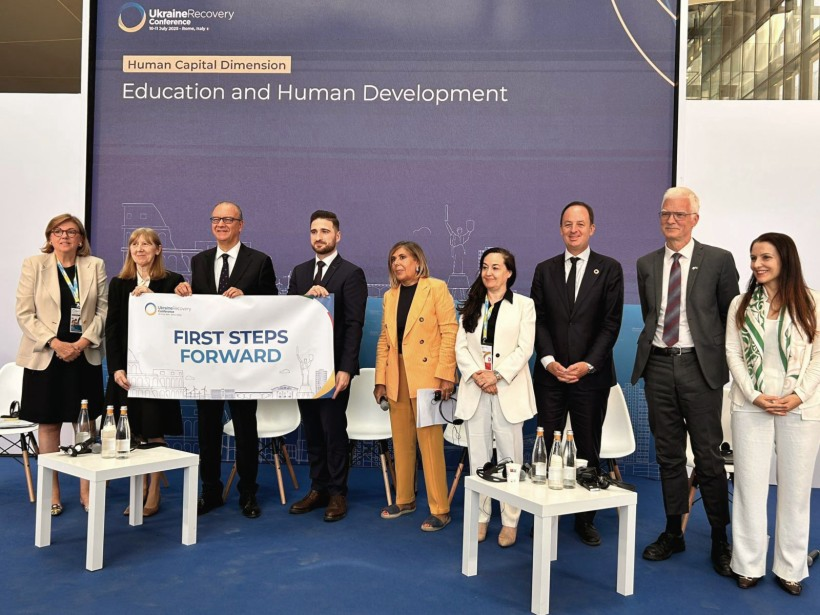
Rome, 11 July 2025 — A new international alliance of more than twenty partners — including UNICEF, the World Bank, GPE, UNESCO, OECD — has been launched to support Ukraine’s “First Steps Forward” initiative to transform Early Childhood and Preschool Education (ECPE), increase investment in the sector as well as enhance technical assistance and expertise for preschool education.

As part of this effort, the World Bank has made an initial contribution of $30 million to promote inclusive access to ECPE, enhance teaching and learning practices and conditions, and strengthen institutional and local capacities for ECPE management. 

The announcements were made through a Joint Statement at the Ukraine Recovery Conference (URC 2025) to highlight the importance of prioritizing ECEP. The launch took place with the participation of Yevhen Kudriavets, First Deputy Minister of Education and Science of Ukraine, Antonella Bassani, Vice President of the Europe and Central Asia Region, World Bank, Regina De Dominicis, UNICEF Regional Director for Europe and Central Asia.

“Human capital is every country’s most valuable resource — and early childhood education is key to developing it. Over the past months, we have taken an important step in this direction: a new law on early childhood education has been adopted, and a regulatory framework has been developed that significantly transforms the system.

With support from the World Bank and partner countries, we aim to restore access to education lost due to Russian aggression and build a modern, resilient system that meets the needs of every child,” said Oksen Lisovyi, Minister of Education and Science of Ukraine.

“Since the start of the full-scale invasion, early childhood education in Ukraine has faced severe disruptions. Over 320,000 children — more than 20% of preschoolers — lack access to in-person learning, and enrolment has dropped by 25% since 2021. Many preschools have been damaged or destroyed, and the system urgently needs modernization. Supporting this sector is a strategic priority for Ukraine’s recovery. We are grateful to all partners who have joined us in this mission,” added Yevhen Kudriavets, First Deputy Minister of Education and Science of Ukraine.

To address this, the Ministry of Education and Science of Ukraine together with international partners has developed a Strategic Framework for Early Childhood and Preschool Education as part of the “First Steps Forward” initiative. The newly established alliance will collaborate to implement the strategy and support Ukraine’s recovery and long-term development by investing in one of the highest-return sectors — Early Childhood and Preschool Education (ECPE). The Strategic Framework focuses on key priorities:

  • Expanding and adapting infrastructure and service models to meet safety and demographic realities
  • Introducing flexible formats (e.g. mobile kindergartens, home- or workplace-based care)
  • Expanding access for all children, including those with disabilities
  • Improving teacher training and working conditions
  • Increasing parental and community engagement
  • Implementing digital systems for service planning and delivery

One of the shared targets is to ensure that by 2030, at least 45-50% of children under age 3 and 96% of children aged 3 to 6 are enrolled in high-quality early childhood services — in line with the EU’s Barcelona Targets.

“This framework is an opportunity to work together to ensure that every child in Ukraine has access to quality, inclusive, and flexible early learning and care,” said Regina De Dominicis, UNICEF Regional Director for Europe and Central Asia. “UNICEF is committed to support the Government and its partners to turn this vision into reality – an essential step for the country’s recovery and long-term resilience.”

The “First Steps Forward” initiative is already endorsed by EU member states, leading financial institutions, organizations including Finland, Belgium, Lithuania, the World Bank Group, UNICEF, UNESCO, Global Partnership for Education and others. The full list of organizations can be found here.

It is expected to expand over time, with new partners joining on a regular basis.

Nowadays, Ukraine has a unique alignment that enables meaningful change in early childhood education. We invite all interested partners to join this effort — by sharing expertise, offering financial support, or contributing to the implementation of the “First Steps Forward” initiative.

For partnership inquiries: partnership@mon.gov.ua

The initiative is implemented with the assistance of the Partnerships Coordination Office of the Ministry of Education and Science of Ukraine.

Categories
Education

Kindergarten readiness varies widely by income, new data shows. Cities are stepping in to help

SAN ANTONIO (AP) — Sandra Mosqueda watched with an amused smile as her 2-year-old son, Atreus, began sweeping the floor with a miniature mop.

Atreus is part of the inaugural class of infants and toddlers receiving free preschool in a citywide program in San Antonio, Texas. It’s something his mother doesn’t take for granted. As a child, she herself wasn’t able to start preschool this young. In the case of her two older boys — now in first grade and kindergarten — the free preschool set them up for success in elementary school.

The first five years of a child’s life are among the most critical for their development. Those years lay a foundation and prepare them for kindergarten, often setting them up for success throughout school and beyond. But immense disparities exist in whether parents across the country report their child as ready for kindergarten, new data from the National Survey for Children’s Health shows.

Nationally, nearly two-thirds of children were reported in the survey as on track for kindergarten, regardless of their families’ income. However, the gap in kindergarten readiness is substantial when comparing reports from the poorest families and the wealthiest — approximately a 20% difference.

Administered by the U.S. Census Bureau, the federal survey offers a glimpse into school readiness by collecting responses annually from thousands of parents and guardians on their children’s early learning, social-emotional development, self-regulation, motor development and health. The latest results were released in December.

Low-income children often have less access to experiences that boost school readiness, such as high-quality early learning opportunities. That isn’t to say those kids haven’t made gains. Over the past few years, the survey’s portion of on-track children from families earning less than the federal poverty line — just under $32,000 for a family of four in 2024 — has trended upward nationwide by a few percentage points.

High-quality education as a solution for all families, regardless of income

Many experts agree that one of the best ways to boost school readiness is to ensure programs meet high-quality standards, such as smaller class sizes and child-to-staff ratios.

Pre-K 4 SA has implemented a “whole child” approach that develops a range of skills, including socioemotional learning. Baray said the program prepares children “not just (for) academic success, but life success.”